How to Plant Diospyros cathayensis Seeds? A Detailed Guide to the Planting Method
Diospyros cathayensis has tough wood, a vigorous tree growth habit, a thick and sturdy root base, and an unusual trunk, rugged and majestic, often developing twisted sinews and turned bones with bulging muscles, forming a strange and distinctive scene of grooves and channels, holes and hollows, pits and depressions, and bumps and tumors. Diospyros cathayensis combines flowers, fruit, form, greenery, and fragrance in one, with extremely high ornamental value. It transplants easily and survives, is the easiest to care for, and has outstanding tree species advantages, making it the preferred material for making bonsai.
Raising Diospyros cathayensis seedlings can bring the price of Diospyros cathayensis down in the near future, allowing it to enter the homes of bonsai enthusiasts all over the country, and possibly cultivating more good varieties. Practice has proven that raising seedlings from ordinary seeds can produce blood-red fruit, lightbulb fruit, and lantern fruit, because seed-grown seedlings have variability. Seed-grown seedlings have variability, and beginners should understand this. In the past, ordinary seeds were always used for sowing, and only in recent years have some people used seeds from good varieties for raising seedlings.
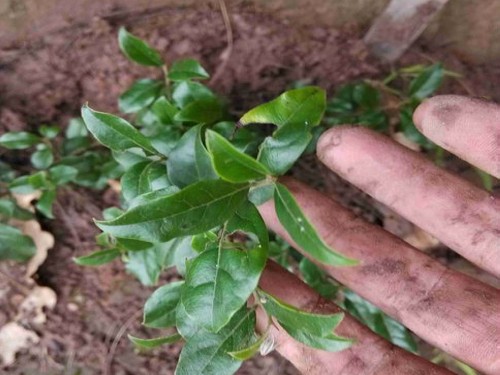
Generally, fully ripe fruit is harvested in autumn and winter, the pits are taken out, washed clean, and dried for later use. Around Qingming in spring, the land is prepared for sowing in beds or seedlings are raised by sowing in pots. Diospyros cathayensis bears especially abundant fruit, and seed propagation allows it to reach scale quickly, and it can be used for afforestation of barren hills, greening around villages, and garden construction.
1. Sowing time: sow at any time when the temperature is above zero degrees. In the Chengdu area of Sichuan, it can be sown at any time from the September harvest to May of the following year.
2. Sowing treatment: disinfect and wash clean; some people also soak in warm water before sowing, but I have not tried it.
3. Soil: choose loose, breathable soil; soil that is too compacted is not good.
4. Method: make beds 1.5 m wide, and dig shallow sowing furrows in each bed, with 30 cm between sowing furrows. For seed propagation, the seed density can be a bit higher; 100 jin of seeds can be used per mu of land. In the first year, the seedlings generally do not branch, and with higher density more seedlings emerge, and they are also easier to manage.
After sowing, cover with fine soil 1—2 cm thick, water, and then cover with plastic film to keep warm and retain moisture. But note: if the temperature is too high when germinating, use a shade net to shade them, otherwise the sprouts may be scorched to death by the sun, and it must not be too dry; keep it moist. After the seedlings emerge, gradually remove the plastic film and shade net, and manage normally. (If the temperature is not very high, the shade net may not be used. If it is not very dry, the plastic film may not be used.)
5. Management: weed frequently, and be careful with fertilizing; it must be light, it must be light, it must be light. For important words, say them three times.
Pests and diseases: general insecticides are all fine; also prevent scale insects and red spider mites, and prevent black mold disease. Although they will not kill the seedlings, they will affect growth vigor.