-
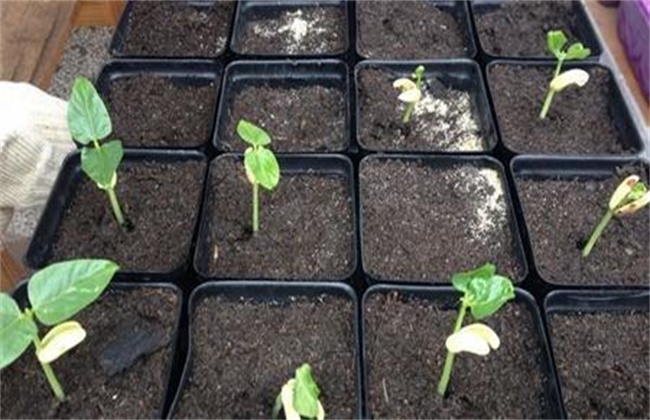
Detailed guide to bean seedling cultivation techniques: key points from sowing to emergence
Bean seedling cultivation techniques
-

What to Do When a Sow's Fetuses Are Absorbed and She Does Not Give Birth? Detailed Guide to the Solution
What to Do When a Sow's Fetuses Are Absorbed and She Does Not Give Birth
-
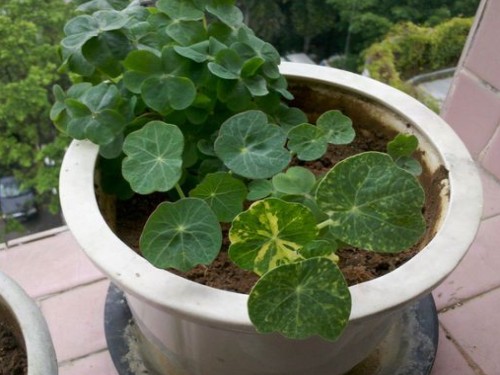
How to Propagate Nasturtium? A Detailed Guide to Common Propagation Methods
Nasturtium (Tropaeolum majus) is a perennial trailing herbaceous flowering plant in the family Tropaeolaceae, genus Tropaeolum. The stem is fleshy and hollow, light grayish-green, with alternate simple leaves and long petioles, peltate and circular with entire, wavy margins. Flowers are borne terminally on slender, zygomorphic peduncles that emerge from the leaf axils, in yellow, red, orange, purple, creamy white, and bicolor. The fruit is pale whitish-green
-
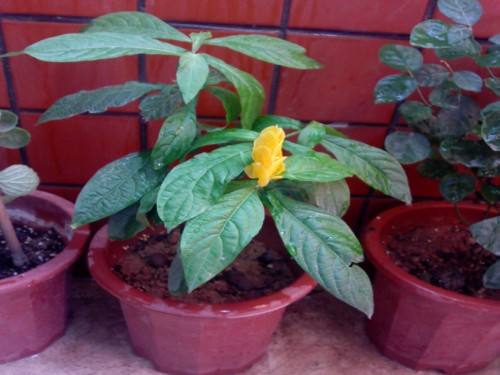
How to Propagate Golden Shrimp Plant? A Detailed Guide to Common Methods and Techniques
Golden shrimp plant (Pachystachys lutea) is an evergreen subshrub of the family Acanthaceae, with swollen stem nodes, opposite leaves, and long oval leaves with prominent veins. It gets its name from the yellow spike inflorescences at the tips of its stems, whose bracts are layered in overlapping tiers and from which small white flowers emerge, resembling the body of a shrimp. In the south it is used for bedding displays. In warm regions it can be planted in gardens, while in the north it is grown as a greenhouse potted flower
-
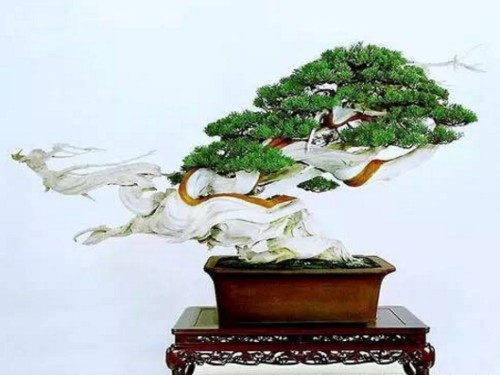
How to Grow a Cypress Bonsai Well? A Complete Guide to Practical Care Tips
Cypress, an evergreen tree, has long been used as a potted plant for indoor and courtyard ornamental display. Its unique leaf structure, in which leaves alternate in shedding and regrowth in a way that is hard to notice, gives it a sense of lasting evergreen vitality. Take the Chinese juniper (Juniperus chinensis), for example: its branches are dense and its leaves fine, its trunk form is twisted and curved, and its small branches rise upward to form dense clumps, giving it an elegantly antique and unusual posture.
-
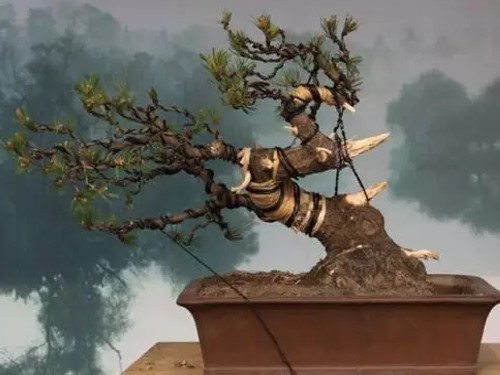
A detailed guide to bending techniques in bonsai shaping: making branch bending and setting easier
Bending branches and trunks has always been one of the key techniques to master in bonsai shaping, and the quality of a bonsai's framework determines its value in the vast majority of cases; as an important means of shaping the bonsai framework, bending also reflects the depth of one's bonsai-making skill
-
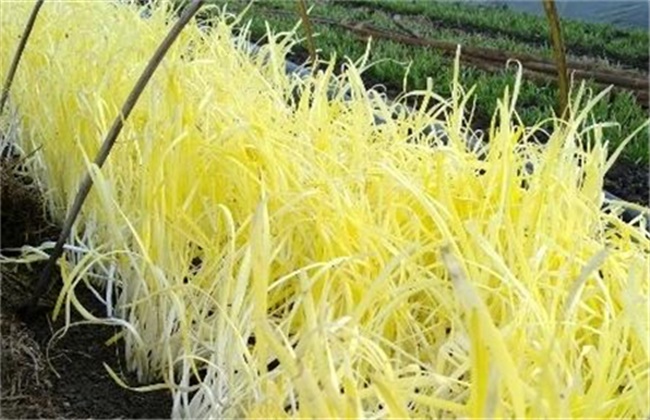
Detailed Guide to Yellow Chive Cultivation Techniques: Growing Methods and Management Key Points
Yellow Chive Cultivation Techniques
-
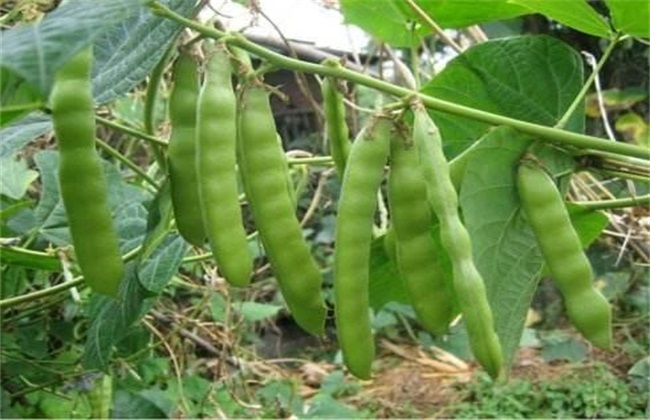
Pruning methods for jicama vines: a step-by-step guide to correctly pruning the vines
Pruning methods for jicama vines
-
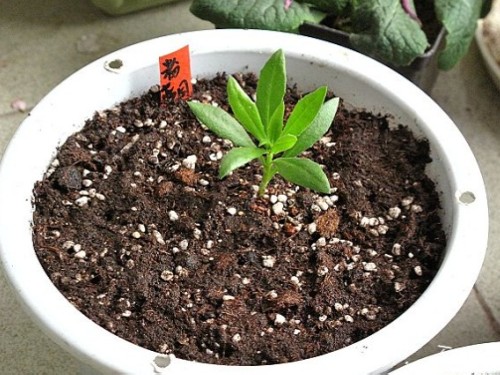
How to propagate the potted blue-eyed daisy (osteospermum) by cuttings? A detailed guide to the method
Someone online says this: the blue-eyed daisy roots very easily from cuttings, and you have to pinch it often, otherwise it shoots up very tall and then flops over, which looks ugly. Just stick the pinched tips in to root, and you can root a lot of them. It also comes in many colors, well worth growing! Use a white plastic pot, put a little yellow sand in the bottom for rooting, cover the top with clear glass, and give it indirect light. It roots very easily
-
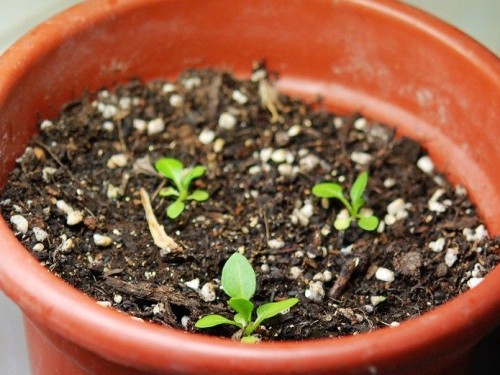
A detailed guide to sowing blue-eyed daisy (blue marguerite) in pots, easy enough for beginners to learn
I am especially fond of this kind of small herbaceous flower; today I learned that it also has a beautiful name, blue-eyed daisy. Blue-eyed daisy is also known as African daisy and large-flowered blue-eyed daisy. It is a semi-shrub or perennial herbaceous plant with a rhizome, with solitary flower heads, hairy involucres, white ray florets with pale purple undersides, and blue-purple disk centers. The blue-eyed daisy's achenes have ribbed grooves
条件筛选