Complete Guide to Sowing Black-eyed Susan Seeds
Black-eyed Susan is a perennial herb of the genus Rudbeckia in the Asteraceae family. The plant height is 60-100 cm, and the flowering period is from June to October. The ray florets are yellow, sometimes with brownish-yellow bands, and the disc florets are dark brown. The stems are relatively stout, covered with soft hairs, slightly branched, and winged. The alternate leaves are rough, oblong to narrowly lanceolate. The flower color is yellow petals with dark brown centers. The suitable growth temperature is 15-35°C, and it takes about 10 weeks from sowing to flowering.
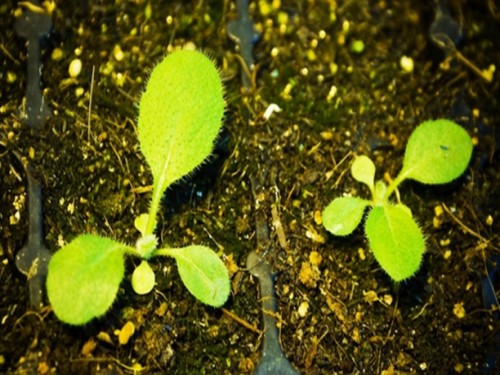
With its bright, vivid flower colors and long-lasting flowering period, black-eyed Susan is an excellent choice for garden planting!
Planting preparation:
1. Land preparation: Clear the sowing site, remove weeds and debris, and plow the soil. Deep plowing, leveling, and fine soil preparation are recommended;
2. Fertilization: Along with land preparation, apply sufficient base fertilizer. Organic fertilizer is recommended;
3. For large-scale planting in wide areas, ridging is recommended. Following the pattern of one ridge and one furrow, the ridge width is generally 40 cm, the furrow width is 30 cm, and the plant spacing is 25 cm.
Cultivation key points:
1. Suitable germination temperature: 21°C-30°C;
2. Suitable growth temperature: 10°C-30°C;
3. Sandy loam with good drainage is best for the soil. Ensure adequate water and fertilizer during the growing period.
Note: Prevent poor drainage, which can cause root rot.
Black-eyed Susan has bright colors, greatly enhancing its visual appeal. Its growth habits and flowering forms offer a wide range of choices, giving it broad possibilities for use. With abundant blooms, it is suitable for courtyard landscaping, as a flower border material, or for natural-style planting along lawn edges. It prefers a sunny, well-ventilated growing environment, is cold-tolerant and drought-tolerant, and has strong adaptability. In the East China region, seedlings can overwinter in the open field. During the growing period, with proper fertilizer management, the plants will grow more robustly and the flowers will be even more beautiful.
Black-eyed Susan, a perennial herb. The flowering period lasts from early summer to frost. It has strong adaptability in the open field, is relatively cold-tolerant, very drought-tolerant, not particular about soil, and extremely easy to cultivate. The plant height is about 60 cm, and the flower head is 8-9 cm. It requires minimal management and is suitable for clump planting, mass planting, highway greening, flower beds and borders, and lawn-edge planting. It can also be used as a cut flower, overwinters in the open field, and can self-sow and propagate. At present, black-eyed Susan seeds are in short supply on the market, and prices are rising steadily.
Before sowing, it is best to loosen the soil first. The seeds are relatively small, so they can be mixed with fine sand and then broadcast. After sowing, a thin layer of soil can be applied or not, and then lightly pressed down. Keep the soil moist until germination. About 7-10 days.
Black-eyed Susan prefers a sunny, well-ventilated growing environment, is cold-tolerant and drought-tolerant, and is not particular about soil. Management is relatively extensive. It is mostly grown in the ground and is suitable for sandy loam. It is not demanding regarding water and fertilizer. When the plants are growing well, nitrogen, phosphorus, and potassium fertilizers can be applied as a top dressing to make the black-eyed Susan flowers even more beautiful. During the growing period, there should be sufficient sunlight. Especially for cut flower plants, pinching can extend the flowering period. For perennial plants, division must be forced, otherwise growth will weaken and flowering will be affected.
Black-eyed Susan has bright colors, greatly enhancing its visual appeal. Its growth habits and flowering forms offer a wide range of choices, giving it broad possibilities for use. With abundant blooms, it is suitable for courtyard landscaping, as a flower border material, or for natural-style planting along lawn edges.
Black-eyed Susan prefers a sunny, well-ventilated growing environment, is cold-tolerant and drought-tolerant, and can withstand low temperatures of -25°C. It is relatively shade-tolerant and highly adaptable. It has low requirements for soil and requires relatively extensive management. It is mostly grown in the ground and is suitable for sandy loam. It can be sown in spring, summer, and autumn when temperatures are between 21°C and 30°C. The recommended sowing rate is 3 g per sq m.
The suitable germination temperature is 21°C-30°C, and the suitable growth temperature is 10°C-30°C. The sowing period is from spring to autumn, and the flowering period is from summer to autumn. It can be sown in spring, summer, and autumn when temperatures are between 21°C and 30°C. The soil should have good drainage. Germination takes about 15 days. In fertile loam with sufficient sunlight, it can also grow normally in partial sun. Transplant when there are 8 leaves. After the plants are established, apply fertilizer and water appropriately. During the flowering period, proper shading should be provided in hot summer to help keep the flowers vibrant. After flowering, cut off the remaining branches and leaves to encourage regrowth. Be careful to prevent poor drainage, which can cause root rot.