-

A Detailed Guide to Raising Orchid Seedlings and Controlling Phytophthora Disease
How to Control Phytophthora in Orchids
-
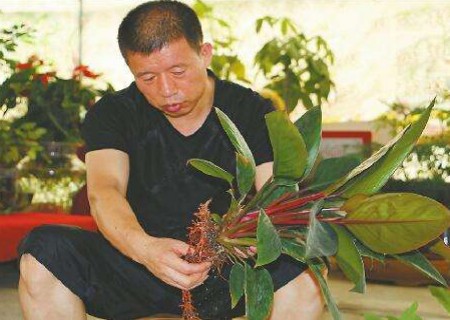
Detailed Guide to Propagating Alocasia (Dripping Guanyin) by Root Division, Easily Grow New Plants
Alocasia (Dripping Guanyin) is an indoor foliage plant. Foliage plants have relatively large leaves, so their transpiration is stronger; with a high transpiration rate, more moisture is released into the air. Dry weather leaves everything in a state of water shortage, so keeping a pot of Alocasia at home this season
-
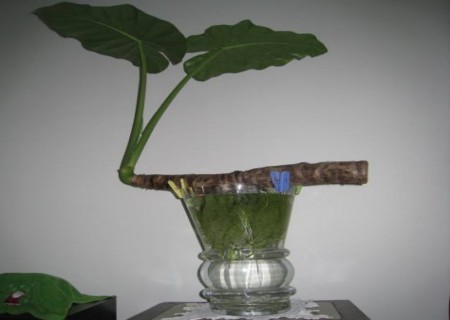
Detailed Guide to Propagating Elephant Ear (Alocasia) by Stem Cutting
Elephant ear (Alocasia) easily immerses people in a warm dream, many people love its large, fat, emerald-green leaves and enjoy watching water droplets roll on the leaves, so after being grown in water in a large container it is suitable for placement in a corner of a hall, living room or leisure bar
-
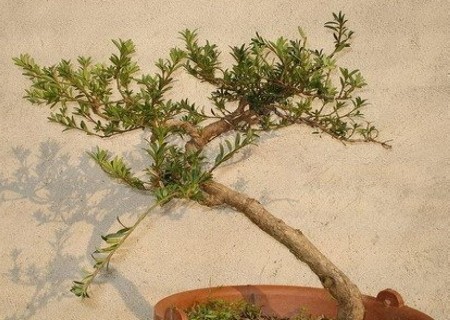
Podocarpus bonsai styling illustrated guide, teaching you to prune a beautiful tree shape
Generally speaking, any tree shape can be styled; in fact, there are no restrictions on trunk diameter or thickness, or on how the branches divide, but how beautifully it is shaped depends 70% on the skill of the horticultural stylist and 30% on later maintenance. If either part is missing, it is very difficult to produce an exquisitely styled, superior Podocarpus bonsai.
-
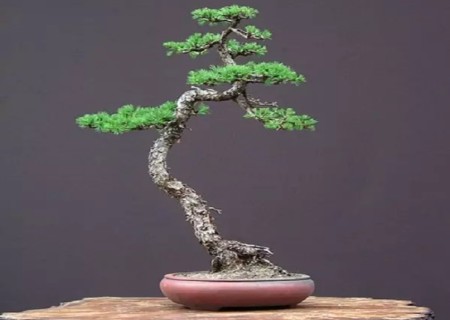
Illustrated guide to the whole process of styling a literati tree bonsai, teaching you step by step
Literati trees often use vivid, distinctive, fresh and exquisitely skilled artistic imagery to give the best interpretation of the lofty, proud aspirations, the solitary elegance and the untrammeled, independent humanistic spiritual pursuit of Chinese intellectuals since ancient times; literati trees are more about expressing oneself, while Suren style is more
-
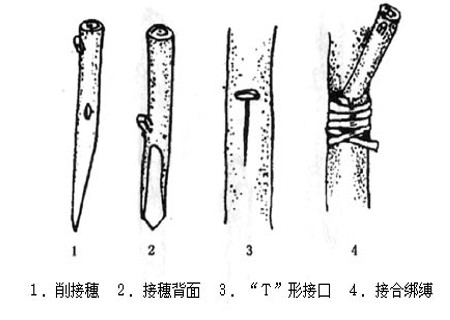
A detailed guide to the side-grafting technique for pear trees: master the key operation points
For grafting pear rootstock, I use T-shaped budding; for thicker suckers, side grafting or cut grafting can be used. For pear seedlings after transplanting and grafting, because the density in the sowing bed is relatively high, growth is often uneven, so it is best to plant out the grafted half-grown seedlings separately before spring growth the following year.
-
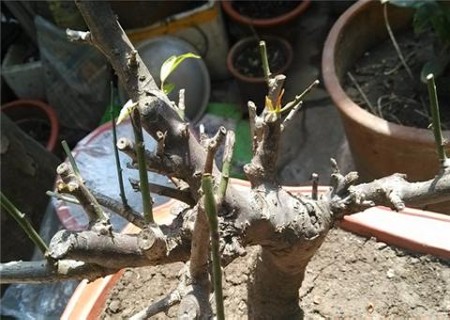
How to graft plum blossoms? A detailed guide to the cleft grafting propagation method
Plum blossoms are usually propagated by grafting, because seedlings grown from seed often fail to pass on the superior traits of the mother plant, and grafting is divided into two types: cleft grafting and bud grafting. We have already covered the bud grafting technique for plum blossoms, so this article will discuss the cleft grafting propagation method for plum blossoms! As for the scion, there is no need to elaborate, it is the same as usual
-
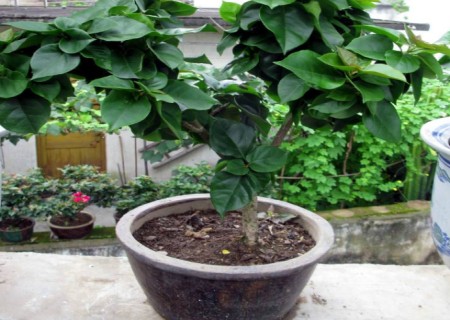
Detailed Guide to Air Layering Propagation for Potted Plants
Woody plants are somewhat more difficult to propagate from cuttings than herbaceous plants. In this issue, the expert often solves this problem perfectly by using air layering to achieve propagation of woody plants. Air layering is the short name for high-altitude layering; simply put, it means making a wound on a plant branch, and during the gradual healing process of the wound, roots are produced.
-
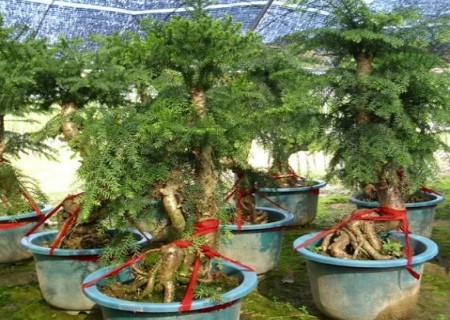
How to propagate the Norfolk Island pine? A detailed guide to common propagation methods
The Norfolk Island pine (Araucaria heterophylla) originates from the southeastern coastal regions of Oceania, such as northern Australia. It is now introduced and cultivated in provinces including Guangdong. Some cities in northern China began introducing Norfolk Island pine bonsai in 2002, and they have grown well. The Norfolk Island pine is a highly ornamental tree species and is rated as one of the world's three major ornamental trees.
-
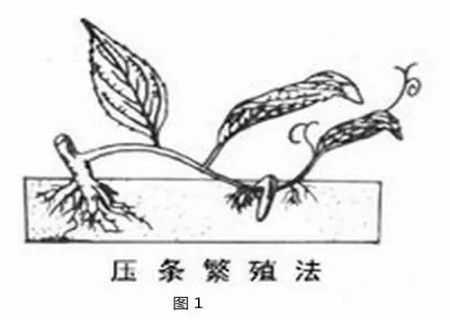
Bougainvillea air layering propagation method illustrated, step-by-step guide
Some beginner gardeners don't understand what air layering propagation is. Air layering is a type of layering propagation, and layering is divided into air layering and ground layering. Ground layering simply means bending a branch directly down to the ground, as shown in Figure 1. Air layering (Figure 2), on the other hand, is used because some plants have branches that are difficult to bend
条件筛选