-
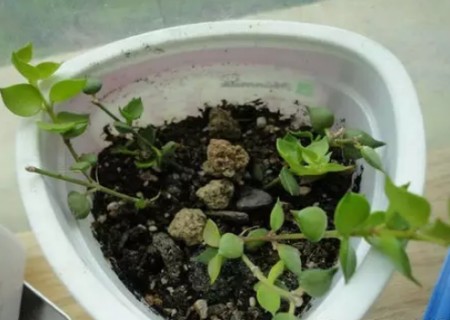
Detailed Guide to String of Nickels (Dischidia nummularia) Cutting Propagation: Stem Cutting Method Illustrated
String of Nickels (Dischidia nummularia) can be grown not only as a small potted plant, but also used in floral design. With a special pot and a little creativity, it can present a different look, and it can also be allowed to climb on walls or tree trunks for beautification. String of Nickels does not require much care, making it one of the entry-level plants that gardening beginners can choose.
-
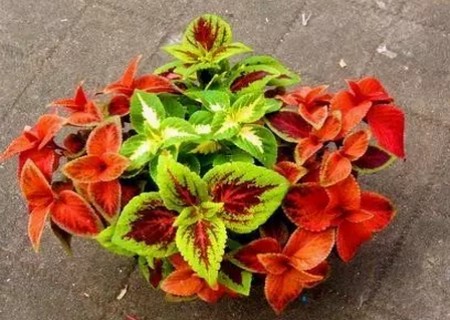
Detailed Guide to Coleus Cutting Propagation and Seedling Cultivation Techniques
Coleus is an excellent potted foliage plant, and can also be used in flower beds in summer and autumn; its colors are vivid and very beautiful. At the same time, its branches and leaves can be cut for use as cut flowers, or as an ingredient in flower baskets, and it can also be planted in the same pot with spiderwort (Commelina), making it a great material for decorating the living room and study. Coleus is commonly propagated by cuttings.
-
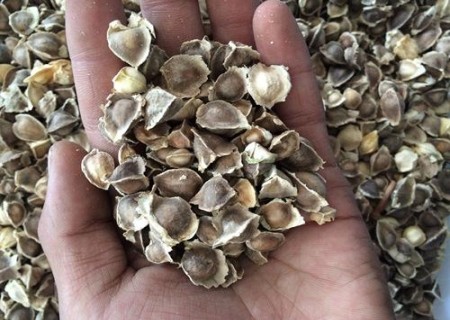
How to Plant Coleus Seeds? Detailed Guide to Sowing and Seedling Raising
Coleus is a brightly colored foliage plant with many varieties and easy propagation, making it a widely used ornamental foliage flower. Besides being displayed as a small foliage plant, it can also be arranged in patterned flower beds and used as foliage accents in flower baskets and bouquets. Indoor displays are mostly small to medium-sized potted plants.
-
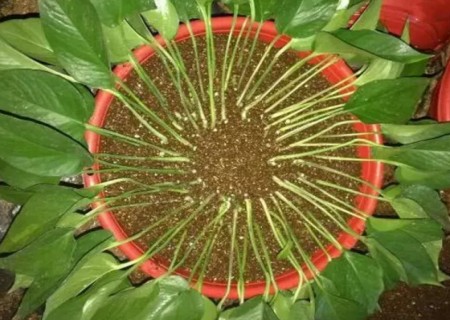
How do you propagate pothos by cuttings? An illustrated guide to the methods and steps of pothos propagation by cuttings
Every flower lover hopes their home can be full of greenery and full of flowers. To keep greenery in the home year-round, a pot of pothos is essential. To keep your pothos forever fresh, learning how to propagate pothos by cuttings is essential. Below, the editor will teach you some little tricks for propagation by cuttings. Around us, in large pots and small pots,
-
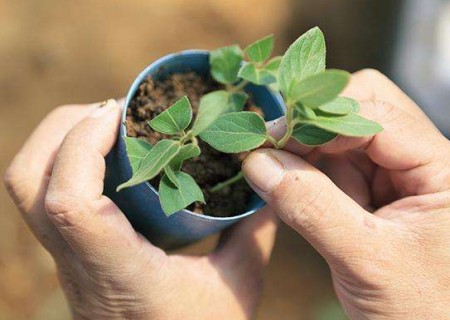
How to Propagate Honeysuckle by Cuttings? A Detailed Guide to Cutting Propagation Techniques
Cutting propagation for seedling production can be divided into short-branch cuttings and long-branch cuttings according to the length of the cuttings selected; short-branch cuttings are commonly used for mass propagation of seedlings, while long-branch cuttings are usually used for direct planting to establish a garden or for propagating semi-formed large seedlings. Honeysuckle can be propagated by cuttings, layering, division and seed, but the cutting method is the simplest and easiest.
-
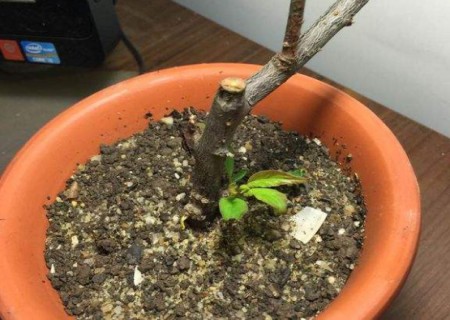
Detailed Guide to Plum Blossom Cutting Propagation Technology, Easily Master the Cutting Method
Plum blossom is a very common flowering tree in China, and many flower enthusiasts now make plum blossoms into bonsai to display at home. Plum blossom bonsai, with its sparse shadows slanting across and its ancient, vigorous air, is full of poetic charm. The plum, blooming alone to herald spring across the land, has been regarded by Chinese people since ancient times as a symbol of good fortune, bringing tidings of spring and auspicious celebration
-
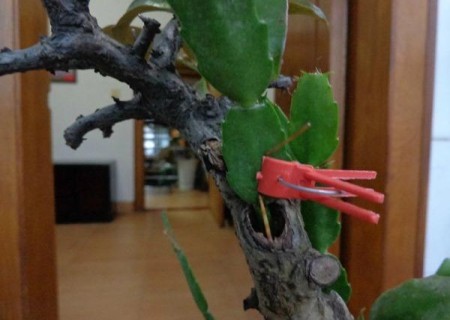
Illustrated guide to bonsai grafting techniques, with a full breakdown of the steps
What is grafting? Grafting is taking part of one plant, such as a bud or a branch, and joining it onto the trunk or root of another plant so that the two parts heal together and grow into one complete plant. The bud or branch that is attached is called the scion (commonly known as the code).
-
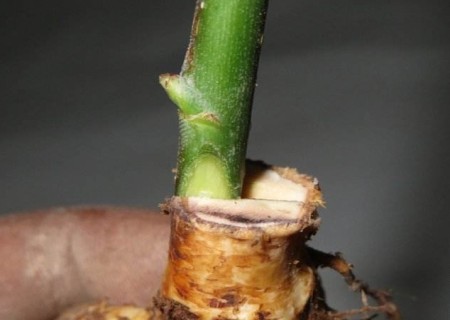
Illustrated Guide to the T-shaped Bud Grafting Method for Bonsai, Step-by-Step Grafting Tutorial
Bud grafting refers to a grafting method in which a single bud with a cambium layer is used as the scion. With this method, you must ensure that the scion is the only robust, pest-free one. Note that after grafting is complete, you should record the plant's survival rate at all times. If you find the bud sprouting, promptly release the bud from the wrapping film.
-
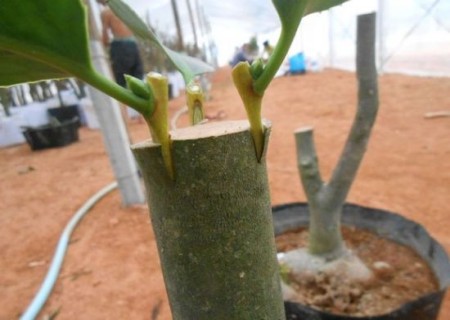
Illustrated guide to the bark grafting technique for bonsai: the steps are easy to understand at a glance
Bark grafting is carried out when the phloem of the rootstock peels easily; the rootstock should preferably be somewhat thicker than the scion. The scion should be cut longer to increase the contact surface. Its advantages are a high survival rate; its disadvantages are that grafting is slow, and after the graft takes, the new shoots need to be supported and tied to prevent breakage. Mulberry
-
Illustrated guide to the cleft grafting technique for bonsai, with detailed steps that are easy to understand at a glance
Grafting is the artificial joining of tissues such as a branch or bud from one plant onto a suitable part of another plant, such as a branch, trunk or root, so that they heal and grow together to form a new plant. This branch or bud is called the scion, and the plant that receives the scion is called the rootstock. Grafting flowers and trees places great emphasis on technique
条件筛选