-
How to grow Paris polyphylla from seed? A detailed explanation of the key seedling-raising techniques
How do you raise Paris polyphylla seedlings well? What should be noted during the seedling-raising process? We ask netizens to help introduce this. Zhongdiwang has compiled the seedling-raising methods for Paris polyphylla, listed in detail below for netizens' reference. Selection of the seedling site: For Paris polyphylla seed beds, choose a clearing under forest or a slope with relatively high terrain, good drainage, soil rich in organic matter, and fairly good shade (20% light transmittance). For dry land, 3 to 4 layers of shade netting must be erected. On a sunny day, plow the field and level it into beds. The bed surface is 120 cm wide, the ditch is 30 cm wide and 25 cm deep, and the ditches must be unobstructed to facilitate drainage.
-
How to care for kalanchoe from July to September: when the blooming season arrives, flowers will bloom one flush after another
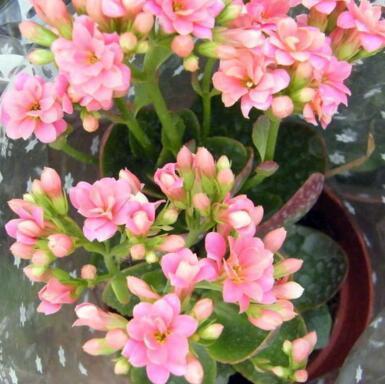
Kalanchoe (Kalanchoe blossfeldiana) is a potted plant that blooms in winter and spring. Its leaves are thick and fleshy, it stays evergreen all year round, and it comes in a wide range of varieties with abundant flowers and a long blooming period, making it deeply loved by flower growers everywhere. Keeping kalanchoe alive is not hard, but if you want to grow it well, you really need...
-
11 Creative Potted Plants Made from Discarded PVC Pipes Turned into Hanging Basket Flowers
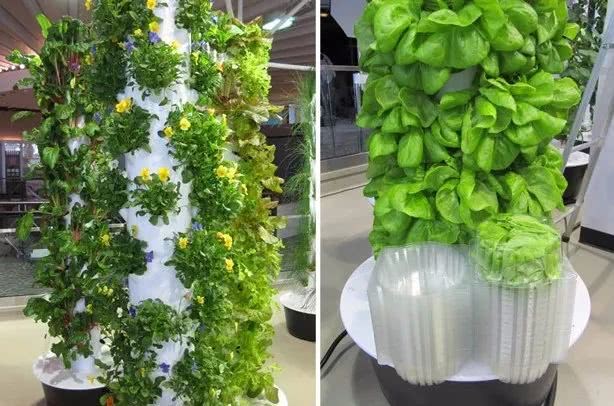
Below we introduce how to make charming vegetable and flower planters from discarded PVC pipes. You can put your hands-on skills to use, cut the pipes appropriately, and through reasonable modification, make your home's plant display full of fun, so that friends...
-
How to tell real fertilizer from fake? Keep these methods in mind
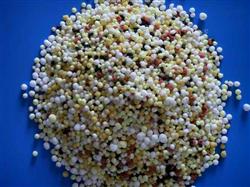
As the saying goes: "Fool the land for a moment, and the land fools you for a year." Once farmers buy and use fake or inferior chemical fertilizers, the losses caused are hard to make up for, which both dampens farmers' enthusiasm and harms farmers' interests. Below are the common methods for identifying real and fake fertilizers: Visual inspection First look at the fertilizer packaging. The fertilizer packaging bag must indicate the product name, nutrient content (grade), trademark, net weight, standard code, factory name and address, contact phone number, production license number and fertilizer registration number, etc. If the above markings are absent or incomplete and the packaging is rather rough, it may be fake or inferior compound fertilizer. Pay special attention to fertilizers whose packaging bag seals show obvious signs of being opened; this phenomenon may indicate adulteration. In addition, pay attention to the production date on the production certificate inside the fertilizer bag. If fertilizer is stored for too long, the total nutrients will be lost. Second, look at the fertilizer's granule size (or crystalline state). High-quality fertilizer has relatively uniform granule size and specific gravity, a smooth surface, and is not prone to absorbing moisture or caking, while fake and inferior fertilizer is exactly the opposite, with uneven granule sizes, a rough surface, high moisture, and easy caking. Third, look at the fertilizer's color. High-quality fertilizer has very uniform color, with no obvious color difference, and the entire granule is uniform from the inside out. Most fake fertilizer, however, is colored on the surface and easily loses its color.
-
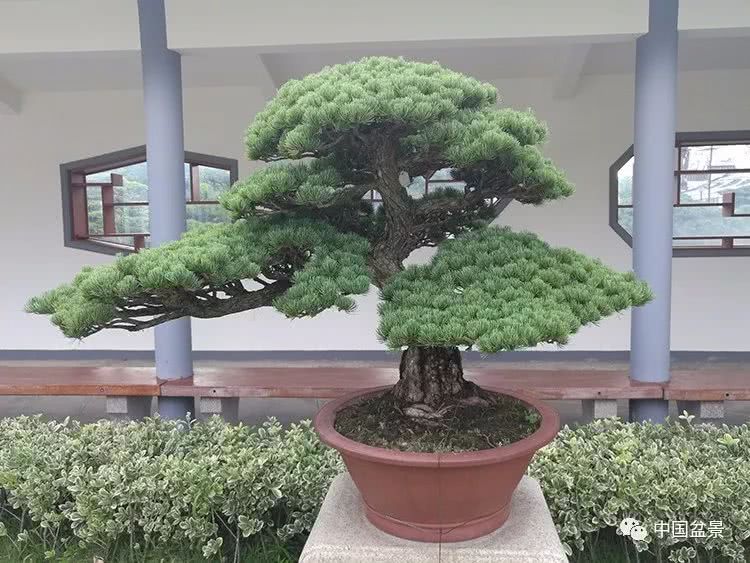
What do the bonsai from Shanghai Longhua Nursery look like now, 70 years later?
Take a look at the bonsai from Shanghai Longhua Nursery 70 years ago - what do they look like now? Recommended by Zhang Xianjue. The predecessor of Shanghai Botanical Garden, Longhua Nursery, was founded in 1954 and is known for extensively collecting precious bonsai. As early as before the establishment of Shanghai Botanical Garden in 1974...
-
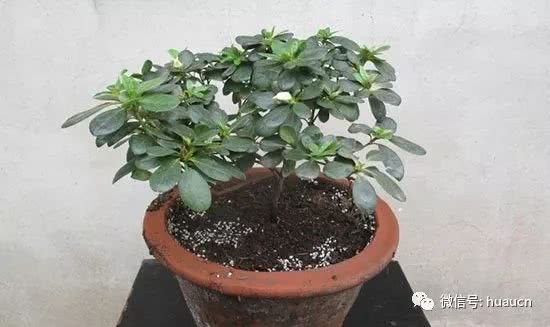
How to Propagate Azaleas from Cuttings? Detailed Methods and Tips
Propagating plants is a process every flower lover goes through. This illustrated guide to azalea cutting propagation is suitable for beginners, and also for gardeners who have just bought an azalea. Why do we say it suits those who have just bought an azalea? Because azaleas...
-
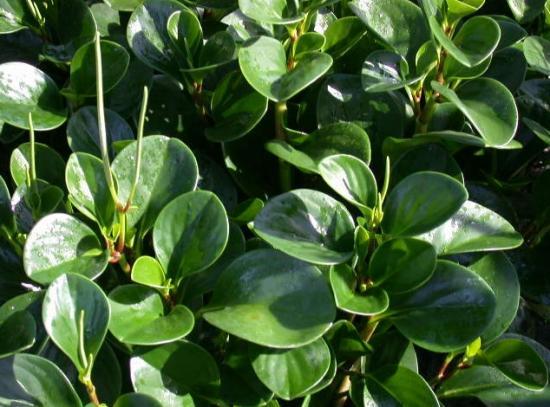
5 tips for repotting a radiator plant: do this after buying one from the flower shop and it will establish twice as fast
The radiator plant (Peperomia) is a plant that flower lovers all adore. After a radiator plant bought at a flower shop has been cared for a while, it generally needs repotting, which is even more beneficial to its growth. To repot, you need to prepare a new flower pot, then loosen...
-

Make your own flower fertilizer from watermelon rinds, skip the pricey flower food, and your plants will still burst with growth
The fruit we love most in summer is watermelon. It quenches thirst and cools you down, and for just a few yuan you can buy one big enough for the whole family to eat. That cool, refreshing watermelon, well, we shouldn't just throw away the rind, if...
-
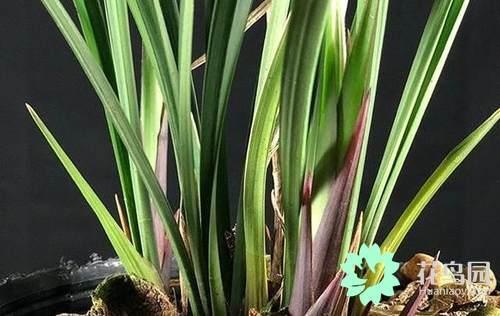
Detailed Explanation of Techniques for Forcing Buds from Old Pseudobulbs of Potted Orchids
When potted orchids have multiplied to a fairly large number of plants, some old pseudobulbs will be produced. If the old pseudobulbs are plump and full, there are usually still several dormant buds on their middle and upper parts that have not yet sprouted. As long as the old pseudobulbs are separated from the original clump and planted separately, and given careful maintenance, their dormant...
-
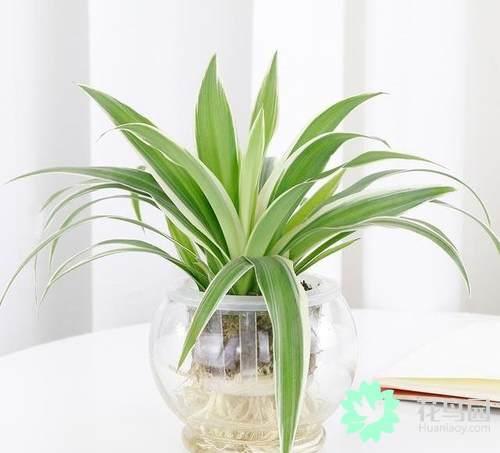
How to grow white-striped grass in water and care for it, and how to tell it apart from spider plant?
White-striped grass, also known as green bamboo or white-striped orchid. It is a perennial foliage plant with somewhat strong drought tolerance, suitable for small potted display. White-striped grass closely resembles variegated spider plant, but it has no runners. The leaves are delicate and soft, with white streaks on the green leaves...
条件筛选