-
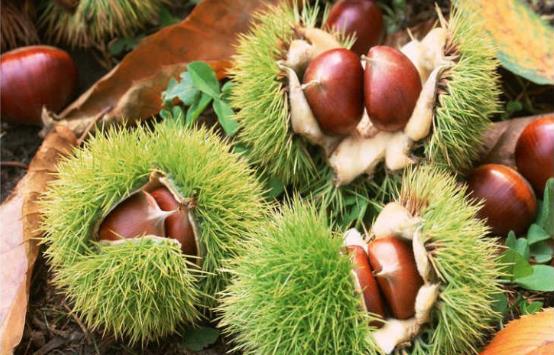
How to manage chestnut trees during the fruit expansion period? These technical points must be mastered
Management of chestnut trees during the fruit expansion period
-
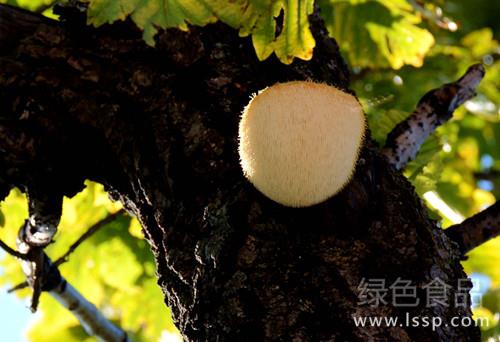
Proper management during the fruiting stage of lion's mane mushroom is essential for achieving high yields
To achieve high yields, manage the fruiting stage of lion's mane mushroom well
-
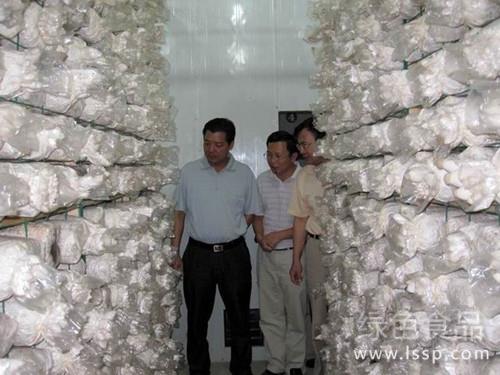
Key Management Points During the Fruiting Period of King Oyster Mushroom: Temperature, Humidity, Light Regulation and Pest and Disease Control
Temperature Humidity Light Pest and Disease Control Key Management Points During the Fruiting Period of King Oyster Mushroom
-

Detailed introduction to the sowing methods of February orchid (Orychophragmus violaceus)
Sowing time: February orchid is usually sown in autumn, and the best time is August. If sown too late, the seedlings will be too small to withstand severe cold and will die. Sowing rate: Each gram contains about 300-400 seeds, and the suitable sowing rate is 1 kg per mu
-
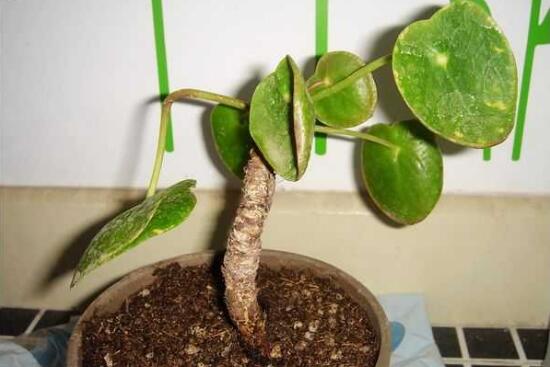
Pilea peperomioides dropping leaves? Mostly due to insufficient light, too little watering, or too much fertilizer
Keeping a potted green plant indoors is a choice more and more people are making nowadays, and Pilea peperomioides (Chinese money plant), with its leaves that stay evergreen all year round and look like ancient mirrors, has become the first choice for many plant lovers. However, in the process of growing Pilea peperomioides, many people run into the situation of leaves dropping, which is very headache-inducing! So
-
Detailed introduction to the new multi-resistant cotton variety Duokang Wanza 40
The following variety was developed by Anhui Runhe Cotton Industry Co., Ltd. Duokang Wanza 40: this variety improved the parent lines of Wanza 40 into disease-resistant material through disease-nursery screening, then introduced the BT insect-resistance gene, and was bred into the new combination "Duokang Wanza 40". This combination not only maintains the high and stable yield of Wanza 40, but also has excellent traits such as insect resistance, disease resistance and strong stress resistance. Characteristics: the plant of this variety is tower-shaped, relatively compact, with a plant height of 100 cm. The whole growth period is 128 days, belonging to a medium-maturing variety, with medium-sized leaves, dark green leaf color, and bolls
-
How to fertilize cotton during the bud stage? These methods must be mastered
After cotton squares appear, it enters a period when vegetative growth and reproductive growth proceed together, while vegetative growth still predominates. During this period, a framework must be built for high cotton yields, fully supplying the fertilizer needed during the cotton bud stage. It is necessary both to meet the needs of the cotton plants and to prevent excessive or overly aggressive fertilization that causes excessive vegetative growth. For cotton fields with a low amount of base fertilizer, some decomposed human manure and urine, cake fertilizer, or a small amount of quick-acting nitrogen fertilizer mixed in can be applied at the bud stage, applied deeply in furrows so that the fertilizer gradually decomposes and takes effect at the flowering and boll stage. Spraying New High Lipid Film at the appropriate time greatly increases the effective component rate of the fertilizer.
-
Production Methods and Multifunctional Applications of Soybean Dietary Fiber
1. Physiological Functions of Multifunctional Soybean Dietary Fiber Soybean dietary fiber mainly refers to the general term for those macromolecular carbohydrates that cannot be digested by human digestive enzymes, mainly including cellulose, pectin, xylan and mannose, etc. Although dietary fiber cannot provide the human body with any nutrients, it has important physiological functions for the human body. Dietary fiber has significant effects in lowering blood pressure and plasma cholesterol, and regulating gastrointestinal function, blood sugar and insulin levels. Multifunctional Soybean Fiber (MSF) is mainly composed of dietary fiber and protein, with contents of 67.98% (dry basis) and 19.75% respectively, making it a good protein-fiber additive. Studies have shown that adding a small amount of MSF has a good strengthening effect on medium-gluten or low-gluten flour; within a certain addition range, it can not only increase the dietary fiber and protein content of products, but is also very beneficial for improving the quality of products such as bread, noodles and biscuits. MSF may be the best-functioning of all dietary fibers, far beyond what other synthetic fibers (such as litesse, polydextrose) can match. Multifunctional soybean dietary fiber is a high-quality dietary fiber obtained from fresh okara as raw material through special heat treatment, and it has good effects in regulating blood sugar, lowering blood lipids and promoting defecation.
-
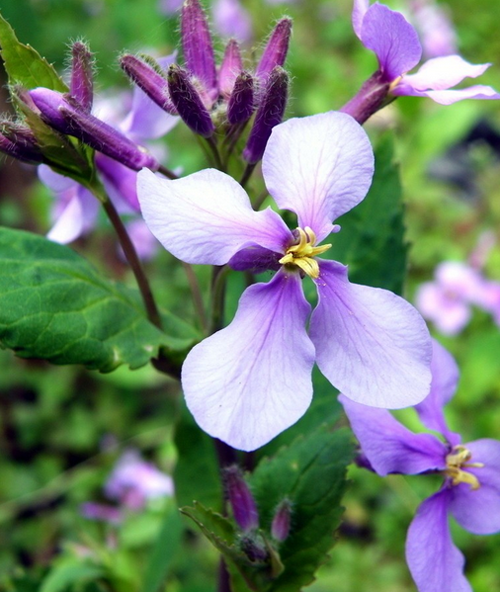
Cultivation methods and flowering duration of Orychophragmus violaceus
Orychophragmus violaceus - just hearing this name sounds especially imposing, as if Zhuge Liang himself were alive. Orychophragmus violaceus is also edible and can make you smarter. What are the cultivation methods of Orychophragmus violaceus? How long is the flowering period? Cultivation methods of Orychophragmus violaceus: seed propagation method, start sowing in autumn, take good cold protection measures in winter
-
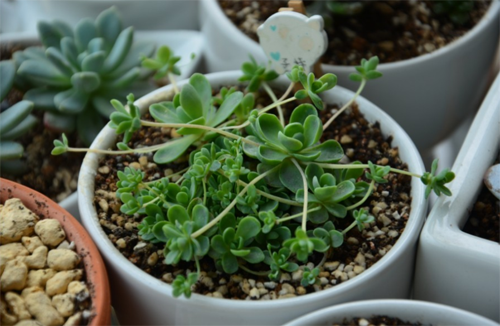
What to Do When the Leaves of Sedum multiceps Turn Yellow and Dry? A Detailed Care Guide
Keeping Sedum multiceps alive is fairly easy, but getting it to look beautiful is not so simple. During cultivation, yellowing and drying leaves are very common. Once the leaves stop looking good, the whole Sedum multiceps looks very unattractive. So what should you do when yellowing and drying leaves appear during cultivation?
条件筛选