-
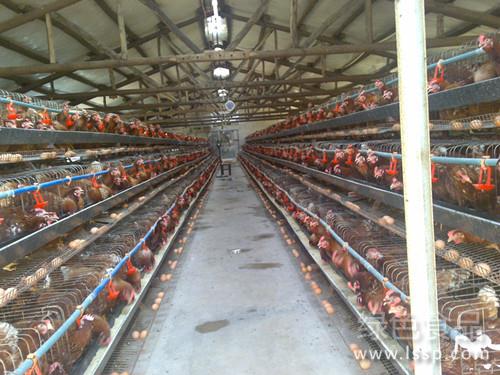
Vitamin supplementation for laying hens can increase egg production, but the dosage must not be increased at will
Vitamins can increase laying hen production but the dosage must not be increased at will
-
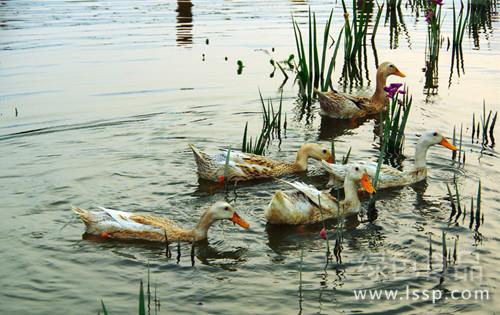
Supplementary feeding for laying ducks must be done according to the symptoms; master the four observation techniques
Supplementary feeding must also be done according to the symptoms. To supplement feed for laying ducks, you need four observations
-
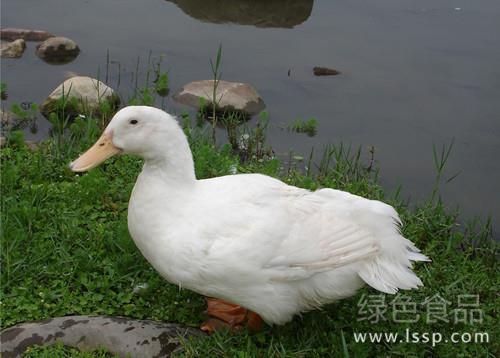
Fatty liver is a specialty of mule ducks: how to force-feed mule ducks to obtain fatty liver
Fatty liver is a specialty of mule ducks: how to force-feed mule ducks to obtain fatty liver
-
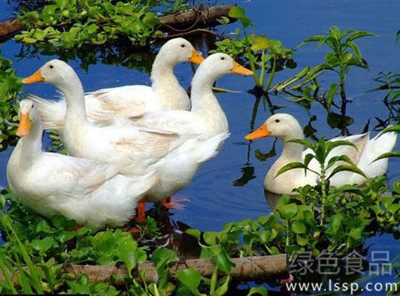
The five-character method for high egg production in laying ducks: drive, light, stimulate, molt, release
The five-character method for high egg production in laying ducks - drive, light, stimulate, molt, release
-

What do freshwater mussels eat? An introduction to the feeding habits of freshwater mussels
What do freshwater mussels eat
-
Key points for broiler farming during the plum rain season: beware of muggy, humid conditions triggering disease
Muggy, humid conditions trigger broiler disease: key points for broiler farming during the plum rain season
-

Detailed Introduction to Immunization Methods for Various Pig Diseases
I. Immunization Methods for Rotavirus Infection 1. Attenuated vaccine. A porcine-derived attenuated strain, developed in China, attenuated through cell passaging; the diarrhea incidence rate of piglets born to immunized sows can be reduced by more than 60 percent. 2. Inactivated vaccine. Developed in China, this vaccine provides a protection rate of more than 90 percent in immunized piglets. II. Immunization Methods for Swine Vesicular Disease Developed in China, including attenuated live vaccines and inactivated vaccines. In recent years, inactivated vaccines have been mainly promoted and applied. 1. Attenuated live vaccine. Mouse-attenuated swine vesicular disease vaccine
-
Summary of the Trial on Introducing and Farming the Giant Mudskipper
The giant mudskipper is a small warm-temperate, humid-tropical coastal economic fish. It prefers to inhabit harbors and estuarine brackish waters and intertidal muddy flats, living in burrows it digs. Its flesh is delicious and nutritious, making it a specialty species with development prospects. To fill the gap in local aquaculture, in 2006 we actively introduced giant mudskipper fry and conducted farming trials. After several months of exploration, the trial succeeded, and we have basically mastered the farming techniques for the giant mudskipper. The farming method for the giant mudskipper is briefly described below. I. Basic information of the trial
-
Detailed Explanation of Key Technical Points for Artificial Ovulation Induction in Mullet
(1) Basic Principles Artificial ovulation induction is also called induced spawning. Commonly known as spawning induction, etc. It refers to the use of artificial methods to inject drugs into broodstock fish whose gonads have developed to maturity, stimulating the gonads to further mature and release, thereby obtaining mature eggs (or male fish sperm). Accurately grasping the spawning induction season, selecting broodstock suitable for induced spawning, injecting effective doses within the appropriate temperature range - these are the necessary conditions for artificial induced spawning. Whether the spawning induction technique is appropriate or not affects the fertilization rate of fish eggs, the hatching rate, as well as the spawning success rate and post-spawning
-
How are fish body disinfection solutions prepared? Introduction to common formulas
Soaking and disinfecting fish bodies with medicated solutions is an indispensable task when stocking fish fry and fingerlings, and is an effective measure for preventing fish diseases. Here are several common preparation and application methods for soaking disinfection solutions. 1. Bleaching powder solution: Prepare at a dosage of 1 gram of bleaching powder per 100 kg of clean water, that is, a bleaching powder solution with a concentration of 10 mg/kg. At a water temperature of 10-15°C, soak the fish for 15-30 minutes. It can kill various pathogenic bacteria on the fish body and has a good effect on preventing bacterial red-skin disease and rotten
条件筛选