Key points for broiler farming during the plum rain season: beware of muggy, humid conditions triggering disease
In southern China during June and July, continuous rain and muggy, humid air can easily trigger a variety of diseases in broilers, bringing trouble to the raising and management work of chicken farmers. Therefore, to help broilers get through the plum rain season safely and grow healthily, four measures should be carried out well:
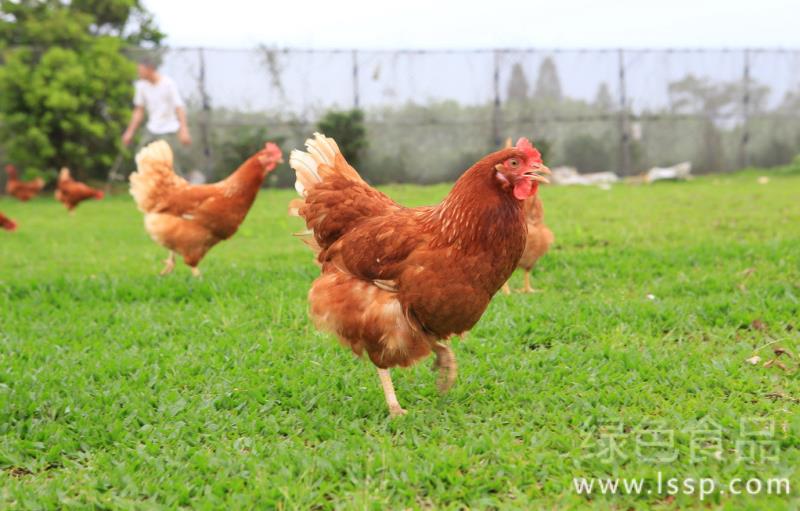
Broiler
1. Move the poultry flock in time and reinforce the sheds
For chicken houses in low-lying areas, broilers should be moved in time to chicken houses on higher ground. Sheds should be reinforced to eliminate safety hazards. If a chicken house is seriously flooded, and the broilers have been soaked in water for a long time, are under great stress, and have no raising value, they should be dealt with as early as possible; for lightly flooded sheds, after draining the water, bedding should be laid promptly. For example, rural wheat straw stacks, if dry when opened, can be laid promptly, along with straw, sawdust, and the like. Lay and replace frequently to keep things as dry as possible.
2. Strengthen sanitation and disinfection work in chicken houses
Pathogenic microorganisms easily breed in humid environments, so disinfection of chicken houses should be done well. Rotate commonly used disinfectants and persist with once a day. At the same time, do a good job disinfecting broiler drinking water to improve water quality; use disinfectant at a 1:3000 ratio and let them drink it for 3 consecutive days.
3. Prevent disease outbreaks
1. Enteritis: use neomycin sulfate, amoxicillin, gentamicin, mequindox, etc., in drinking water at the dosage stated in the instructions, for 4 to 5 consecutive days. Use them in rotation.
2. E. coli: use apramycin, colistin, ofloxacin, amikacin, etc., for 4 to 5 consecutive days. Use them alternately for better results.
3. Coccidiosis: use diclazuril, toltrazuril, sulfonamide drugs, etc. One course of treatment is 3 to 5 days, for 2 consecutive courses. Sulfonamide drugs should be used with caution in broilers within 2 weeks of age.
4. Do immunization work well
Poor environments and greater stress easily lower the antibody levels in broilers' bodies, thereby reducing their disease resistance, so broilers that can be immunized early should be immunized early, and boosters should be given when needed.
5. Strengthen nutrition and eliminate stress reactions
During this period, pay attention to supplementing broilers with vitamins, especially vitamin C. It is recommended that while giving broilers multivitamins or electrolytic multivitamins, also add vitamin C, which can improve broilers' body resistance and eliminate stress reactions. In daily management, when thunder and lightning or strong winds cause power outages, there should still be people in the chicken house carrying out management activities; this is an effective way to artificially eliminate broiler stress.
6. Harmlessly dispose of dead broilers
Broilers that die from stress and disease are often sources of infection that trigger epidemics, and must never be disposed of casually. They must be incinerated and then deeply buried, and given harmless treatment.