Vitamin supplementation for laying hens can increase egg production, but the dosage must not be increased at will
When the egg market is good, some poultry keepers increase the amount of vitamins fed to laying hens in order to raise egg production and get more eggs, but the result is that the laying hens develop hypervitaminosis, which hinders their growth and egg production. Adding vitamins to laying hen feed must be done strictly according to the standard; increasing the dosage at will will harm the health of laying hens.
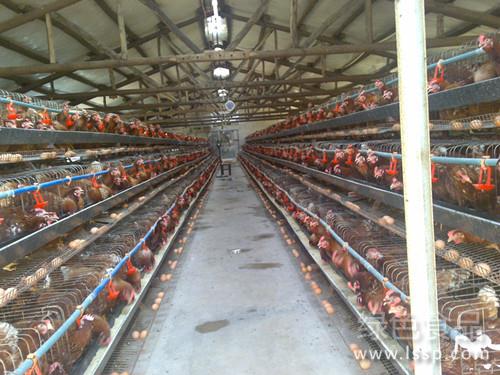
Laying hens
Vitamin A: The suitable content of vitamin A in laying hen feed is 4000 international units per kilogram. When the feeding amount exceeds the standard, it can cause vitamin A hypervitaminosis in laying hens, manifesting as depression or convulsions, reduced feed intake, and in severe cases refusal to eat and feather loss.
Vitamin D: The suitable content of vitamin D in laying hen feed is 500 international units per kilogram. When the feeding amount exceeds the standard, it can cause a large amount of calcium to be released from the bone tissue of laying hens, and promote the absorption of calcium in the gastrointestinal tract, increasing blood calcium concentration; calcium deposits in the arterial walls, joints, renal tubules, heart and other soft tissues, manifesting as loss of appetite, diarrhea and kidney stones, and laying hens often die of uremia.
Vitamin E: The suitable content of vitamin E in laying hen feed is 5 international units per kilogram. When fed in excess, it causes fat metabolism disorders in laying hens, leading to excessive fatness or death from poisoning.
Vitamin K: The suitable content of vitamin K in laying hen feed is 0.5 mg per kilogram. When fed in excess, because it irritates the gastrointestinal tract, it causes mucosal inflammation, manifesting as a sharp decrease in appetite and diarrhea in laying hens, leading to a decline in egg production and, in severe cases, cessation of laying.
Hypervitaminosis in laying hens is mainly prevented by preparing the laying hen diet reasonably according to feeding standards. For flocks that have already developed the disease, vitamin feeding should be stopped immediately and sufficient drinking water supplied; generally they gradually recover within 2 weeks.