-
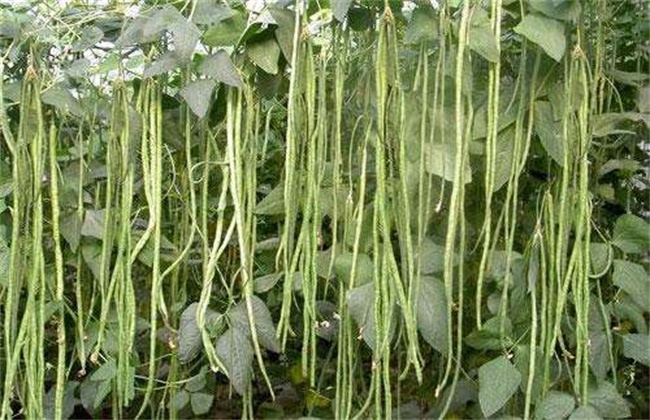
What to Do About Cowpea Cold Injury? Prevention and Remedial Measures
Prevention and Remedial Measures for Cowpea Cold Injury
-
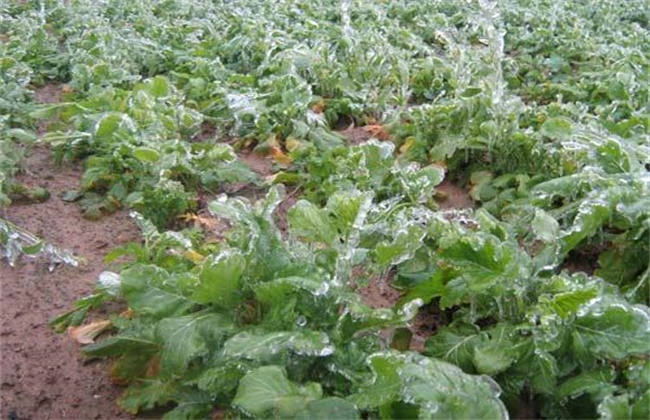
What are the prevention and control measures for late spring cold damage in vegetables?
Prevention and control measures for late spring cold damage in vegetables
-
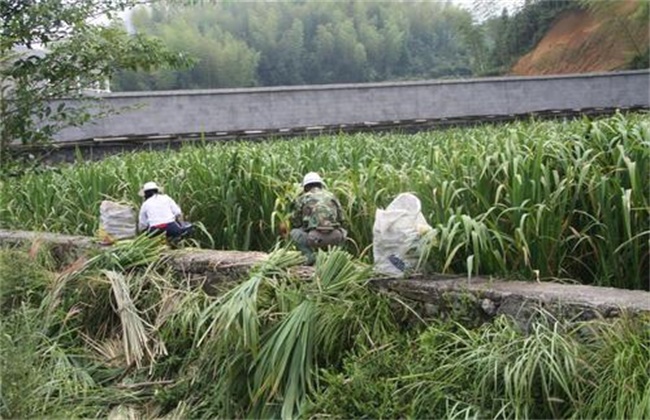
Detailed Explanation of Key Cultivation Techniques for Cold-Water Wild Rice Stem
Cultivation Techniques for Cold-Water Wild Rice Stem
-
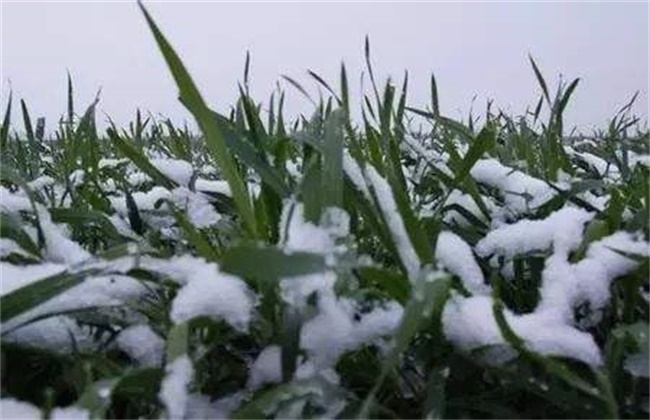
How to prevent late spring cold damage in wheat? These methods you need to master
Methods to prevent late spring cold damage in wheat
-
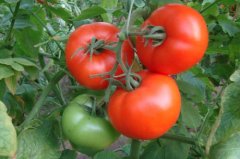
Qidali Tomato Variety Profile: Extremely Cold-Tolerant Tomato Seeds
Qidali is an indeterminate large red tomato variety. Qidali tomatoes are planted in spring and autumn. For transplanting seedlings, about 2000-2200 plants are needed, with row spacing of 70 cm and plant spacing of 40 cm, single fruit weight of 220 grams, about 2200 plants per mu, 4 fruits per truss
-

How to Deal with Late Spring Cold Snaps During Rice Seedling Raising
What to Do When a Late Spring Cold Snap Hits During Rice Seedling Raising
-
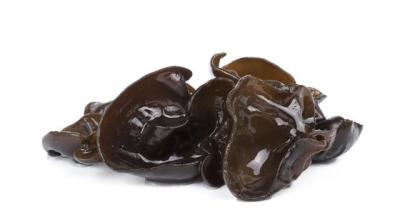
Fruits and Vegetables Are Actually Natural Sleeping Pills, Cold Medicine, Anti-Cancer Medicine, and Hangover Remedies
When people get sick, the first thing they usually think of is taking medicine. In fact, there are many vegetables and fruits around us that you have overlooked, which are natural medicines and have very good effects...
-

Cold damage prevention and control methods and key technical points for rice at the panicle elongation stage
Rice pollination at the panicle elongation stage greatly needs temperature and oxygen. During this period, cold winds blowing from the northeast are very likely to occur, causing poor pollination, empty and shriveled grains, and reduced yield. Prevention and control techniques for cold damage. First, accelerate rice pollination. From late July to early and mid-August, due to meteorological causes of atmospheric circulation, the temperature generally drops to around 17, causing rice flowers to remain closed and not open, affecting rice pollination and producing empty and shriveled grains. For this kind of obstructive cold damage, scientific management of the paddy field should be strengthened so that rice accelerates through the pollination period and avoids
-
New Green Intensive Rice Cultivation Technology for Cold Regions
Agricultural science and technology innovation is the fundamental measure for improving overall agricultural production capacity. Safety, ecology, increased income and increased efficiency are the new directions for rice production development. The new cultivation technology - intensive rice cultivation - has been successfully tested over four years at Suihua Yong'an Farm. 1. Cultivation characteristics: saves seed, saves water, saves labor, saves seedling supplies, saves seedbed area, while being environmentally friendly, increasing yield, reducing costs, increasing benefits, and having wide adaptability. It is an advanced rice production cultivation technology in the world today. 2. Main cultivation technical measures and characteristics: 1. Select and breed early-maturing, high-yield, stress-resistant, strongly tillering
-
Symptom Identification and Prevention Methods for Potato Cold Injury
During plant growth or during tuber storage, if the air temperature or soil temperature is too low (above freezing), the plant will suffer cold injury. The degree of cold injury varies with the temperature. 1. Leaf symptoms At the seedling stage, after the plant suffers freezing injury, the leaves quickly wilt and collapse. When the temperature becomes warmer, the affected parts become water-soaked and turn brown after dying. However, if the plant suffers only cold injury, the above symptoms will not appear. Cold injury occurs at the seedling stage in early spring. The symptoms appear at the top of the seedlings, showing light yellow to light brown at the base of the young leaves. When
条件筛选