What to Do About Cowpea Cold Injury? Prevention and Remedial Measures
After entering March, temperatures gradually rise, but cold air also appears from time to time, bringing sharp temperature drops. In this situation, if vegetable production management is not strict, it is very likely to suffer cold injury, or even be frozen to death directly, greatly affecting yield. Below, taking cowpea as an example, the editor will explain the prevention and remedial measures for cowpea cold injury.
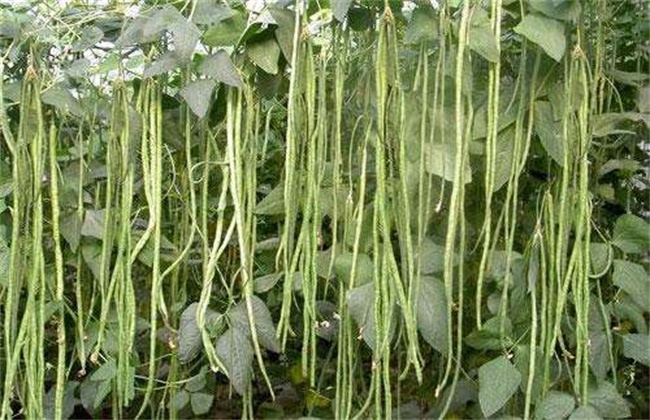
I. Preventive Measures
1. Choose cold-tolerant varieties
For spring planting of cowpea, it is advisable to choose varieties with relatively strong cold tolerance, such as Sheng 906, Jiajiale No. 4, Xinza No. 12, etc.
2. Grow strong seedlings
Cowpea production is mainly based on direct seeding, but at present seedling raising and transplanting are advocated, especially for early spring greenhouse cultivation. Seedling raising and transplanting can inhibit excessive late vegetative growth of seedlings, promote flowering and pod setting, and also effectively avoid early spring low-temperature freezing injury. During seedling raising, fertilizer, water and temperature should be reasonably controlled to grow strong seedlings. Before transplanting, low-temperature hardening should be carried out to enhance the stress resistance of seedlings after planting.
3. Pay attention to weather forecasts
From mid-March to the end of April is a stage prone to cowpea cold injury. At this time, close attention should be paid to weather forecasts, and before the temperature drops, films and other heat-insulating materials should be added in advance. At the same time, spray leaves with a low-concentration potassium dihydrogen phosphate solution to improve the cold resistance of the plants. If cowpea is cultivated in the open field, on the afternoon of the day before the cold injury arrives, the planting area can be covered with rice straw and plastic film, which can also provide excellent heat preservation and prevent the occurrence of cold injury.
II. Remedial Measures
1. Nourish and protect roots
After cold injury occurs, timely carry out intertillage and earth up, loosen the soil, and increase soil temperature. Especially under low temperature and insufficient light, when soil moisture is relatively high, root rot is very likely to occur, so carbendazim can be used for root drenching as a control measure. Combined with later watering, apply organic fertilizer as a top dressing to promote early and abundant new root growth, improve the plant's ability to absorb fertilizer and water, and reduce the impact of later cold injury on it.
2. Spray water on leaves
After cowpea suffers cold injury, the root system's ability to absorb fertilizer and water weakens, the water balance is destroyed, and the plants are very prone to water loss and wilting. Therefore, attention should be paid to temperature changes. Once cold injury is confirmed, spray a large amount of clean water on the plants in time. This can effectively avoid plant wilting and alleviate the degree of cold injury.
3. Supplement nutrition
In addition to spraying, timely nutritional supplementation is also very important to maintain the balance of plant metabolism. Foliar fertilizers such as glucose and amino acids can be sprayed, and plant growth regulators such as brassinolide can also be sprayed to stimulate leaf expansion and stem node elongation and promote the plants to recover as soon as possible. At the same time, combine watering and fertilizing, and apply 2-3 kg of potassium dihydrogen phosphate per mu by flushing to improve the stress resistance of the plants.
4. Prevent and control diseases
After suffering cold injury, the resistance of cowpea will decrease significantly, especially in open-field cultivation. At this time, it is exactly the seedling stage, the plants are weak, and they are very susceptible to infection by diseases. Therefore, when spraying fertilizer on the leaves, fungicides can be mixed and sprayed at the same time. At the same time, timely prune dead branches and fallen leaves to avoid mildew and induce diseases.
The above is an introduction to the prevention and remedial measures for cowpea cold injury. We hope it can help you. If you want to learn more related knowledge, please follow us.