How to prevent late spring cold damage in wheat? These methods you need to master
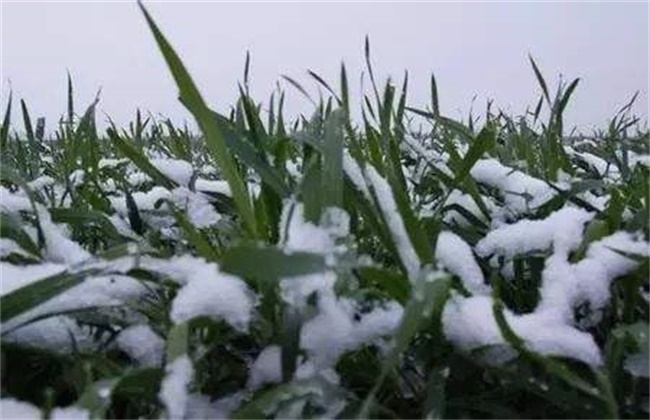
In spring, temperatures rise fairly quickly, but in the later part of spring, prolonged overcast and rainy weather or cold air outbreaks can easily cause late spring cold damage. At this time, it has a very large impact on wheat growth and development, seriously harming wheat yield and quality. So what should be done about late spring cold damage in wheat? Let's take a look together with the editor at the methods to prevent late spring cold damage in wheat.
1. Sow appropriately late
Late spring cold damage in wheat is relatively common. For this kind of weather, in order to reduce wheat freeze damage, first of all, you can sow appropriately later at sowing time. Do not sow too early, and do not start sowing simply because you see others have already sown. The best sowing time can be in mid-to-late October. Sowing in this time period will cause wheat to show excessive vigorous growth before the soil freezes.
2. Control excessive growth
Next is controlling excessive growth. This step is generally carried out before the New Year. Many growers prefer to control excessive growth after the New Year and neglect controlling it before the New Year, but in fact controlling excessive growth before the New Year is still quite effective. This is because at this time, just after spraying, the wheat has a relatively stable base, extremely thick stems, and a well-developed root system. When late spring cold damage occurs in spring, its cold resistance and drought resistance are relatively strong, and its resistance to late spring cold damage is greater. Also, when encountering other harsh climates, it will not lodge.
3. Irrigate with freezing water
Next is to irrigate once with freezing water before the soil freezes. Many people think freezing water is not important, but in fact irrigating with freezing water can not only increase soil temperature and avoid root freezing injury, but wheat also has relatively strong cold resistance throughout winter, and its root system is relatively well developed. When encountering late spring cold damage weather, its resistance will be a bit stronger, and there will not be a large number of deaths.
The above is an introduction to methods for preventing late spring cold damage in wheat. I hope it can help you. If you want to learn more related knowledge, please stay tuned to us.