What are the prevention and control measures for late spring cold damage in vegetables?
Late spring cold is a rather peculiar weather pattern in spring, and crops often suffer freeze damage. This kind of weather is extremely unfavorable to agricultural production, and if precautions are not taken in time, it can easily cause crops to freeze. So how should vegetables be protected against late spring cold? Let's take a look together.
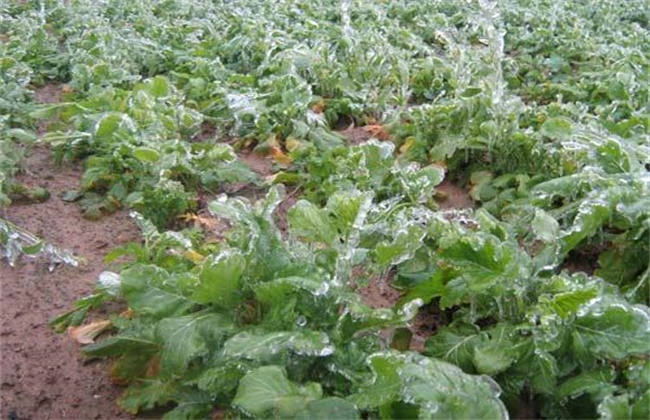
1. Damage at the seedling stage
When seedlings are damaged, the cotyledons are often harmed. When the edges of the cotyledons lose their green color, they can still grow normally once the temperature recovers. When the true leaves are damaged, dark green appears at the leaf edges, which then gradually dry up. When the growing point is damaged, the terminal bud suffers freeze injury, and no new leaves will grow from it. This greatly prolongs the recovery period of vegetables after transplanting. If the affected plants still cannot recover in time after the temperature rises, then replanting is needed.
Countermeasures: Cultivate strong seedlings, preferably by hardening them at low temperatures. This can effectively improve the cold resistance of vegetables, and even if late spring cold occurs, it can minimize the impact of low temperatures on seedlings.
2. Damage at the adult plant stage
It often manifests as dry and withered edges, wilting plants, and relatively tender leaves losing their green color and turning yellow. In severe freeze cases, the growing point dries up, and the root system no longer grows new roots.
Countermeasures: The first thing to ensure is not external conditions but the plant itself. Only vegetables that grow vigorously can reduce losses when hit by late spring cold. So when cultivating seedlings, the first thing to do is proper seedling establishment, then let the vegetable root system grow vigorously, and then apply topdressing to the vegetables to ensure nutrient supply during the mid-growth period.
3. Damage at the flowering and fruiting stage
When vegetables are harmed by late spring cold during the flowering and fruiting stage, pollen activity is greatly reduced, which indirectly affects pollination and fertilization, and later causes flower and fruit drop. During the flowering period, poor flower bud differentiation can also occur, leading directly to deformed fruit growth, and cucurbit vegetables can also show the phenomenon of flowers topping the plant.
Countermeasures: Vegetables in the flowering stage are relatively delicate. Even slight damage can cause flower and fruit drop, and deformed fruit is very likely to appear. So what needs to be done at this time is prevention, ensuring that vegetables flower and fruit normally. When the temperature begins to change, do not water, to avoid freeze damage. When late spring cold arrives, provide insulation in time. Only when the temperature is stable can vegetables grow normally.
The above is an introduction to prevention and control measures for late spring cold damage in vegetables. We hope it can help you. To learn more related knowledge, please keep following us.