-
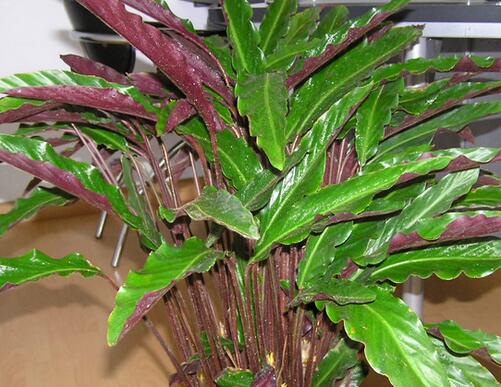
How to Grow Calathea Roseopicta? Detailed Guide to Growing Methods and Precautions
Calathea roseopicta prefers a warm, humid, shaded environment. The optimal growing temperature is 20-30°C, and the overwintering temperature is 15°C. During the growing period, water should be supplied adequately. Water promptly when the potting soil is slightly dry. If you can frequently spray water on the ground to increase air humidity, it will grow very well, but do not let the potting soil become waterlogged.
-
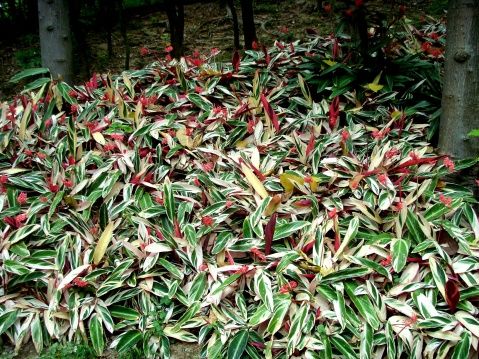
How to propagate Calathea roseopicta? Division and cutting propagation methods
Calathea roseopicta prefers a warm, humid, shaded environment. The optimal growing temperature is 20-30°C, it needs plenty of water and does not tolerate drought. It is fairly heat-tolerant and slightly cold-tolerant, and can overwinter safely above 5°C. It fears frost, and prefers loose, fertile, moist, well-drained acidic soil.
-
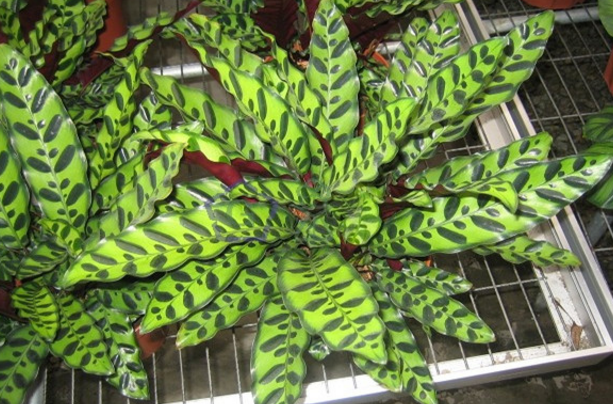
Is the Calathea insignis (cat-eye prayer plant) toxic? A detailed guide to growing it
The Calathea insignis has broad leaves, and the round black spots on the leaves look just like a panda's eyes, full of interest, making it suitable for indoor decoration and beautification. But many people worry about whether its colors are toxic, so let's explore it together.
-
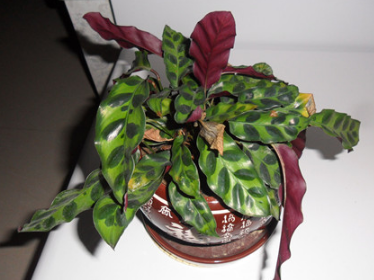
Why Are the Leaves of the Calathea Lancifolia Turning Yellow, and How to Fix It? Does It Bloom?
Calathea lancifolia can be used for landscaping, planted in courtyards or parks for ornamental viewing. It is also a very valuable plant. Do you know about it? If not, come and take a look at the beauty of Calathea lancifolia. What to Do When Calathea Lancifolia Leaves Turn Yellow: Causes and Solutions for Yellowing Leaves in Calathea Lancifolia - Improper Lighting
-
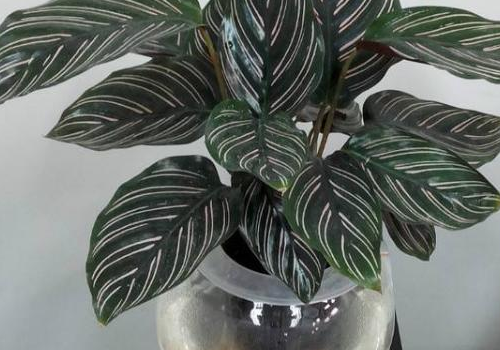
How to Handle Dry, Curled Leaves on Calathea ornata and Tips for Growing It in Water
Calathea ornata is one of those plants that many people know about, so what should you do if its leaves become dry and curled? Can it be grown in water? What to do when Calathea ornata leaves dry out and curl: mist more during the growing season. Calathea ornata has relatively large leaves and water evaporates fairly quickly, so it should be watered promptly.
-
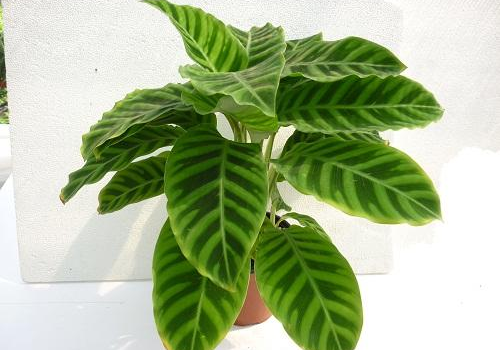
How do you grow a velvet calathea to extend its blooming period?
Yellowing leaves on a velvet calathea are usually caused by fertilizer, water, or light issues. How do you grow a velvet calathea? How do you extend its blooming period: How to grow a velvet calathea: 1. The optimal growing temperature for a velvet calathea is 18-25°C. In winter the temperature should not drop below 13°C, and in summer it should not exceed 35°C.
-
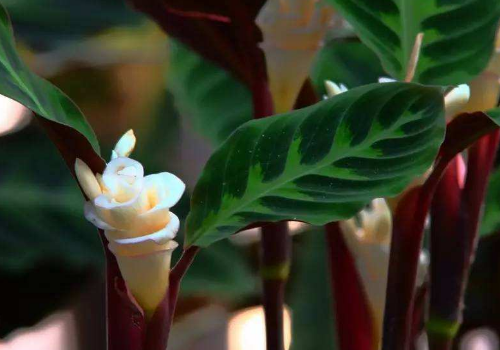
When Does the Velvet Calathea Bloom? Reasons for Not Blooming and Solutions
The velvet calathea can effectively absorb harmful substances from the air, which greatly improves the home environment. When does the velvet calathea bloom? What to do if it does not bloom: When does the velvet calathea bloom: The flowering period of the velvet calathea is from May to June each year. The capitulum is ovate, about the size of a goose egg.
-
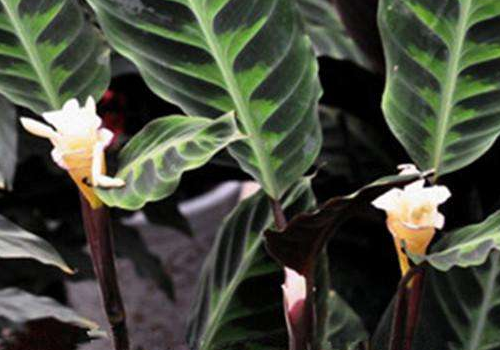
Reasons for Yellowing, Drooping Leaves on the Velvet Calathea and How to Fix Them
Generally, you can start with its growth habits, and in the later stages of cultivation you need to strengthen the management of waste water. What causes yellowing, drooping leaves on the velvet calathea? How to fix it: What causes yellowing, drooping leaves on the velvet calathea: 1. Too little water in summer. The velvet calathea likes a somewhat humid growing environment
-
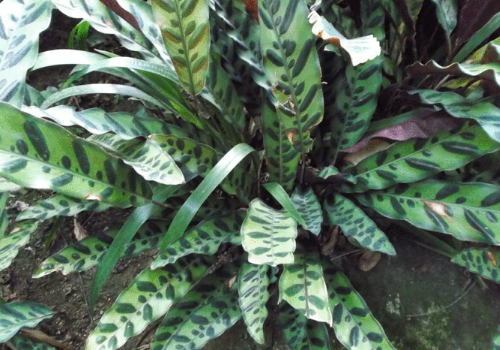
How to care for Calathea lancifolia? Growing methods and precautions
Calathea lancifolia has high ornamental value and also has certain medicinal value. How to care for Calathea lancifolia? Precautions: How to care for Calathea lancifolia: 1. Temperature. Calathea lancifolia originally comes from Brazil and other places, and is a tropical plant that prefers high temperatures and humid environments.
-
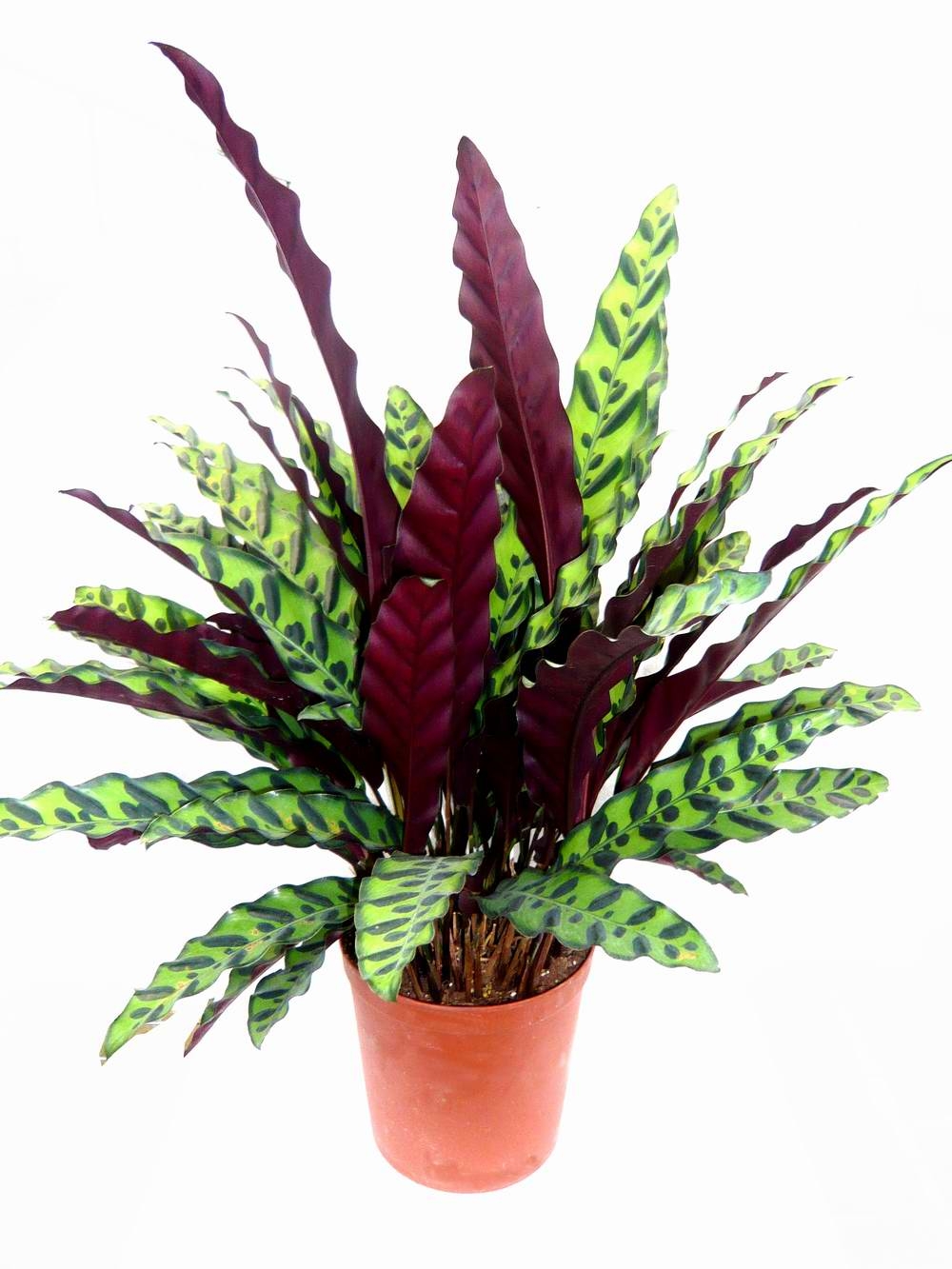
A Detailed Guide to the Cultivation Methods and Precautions for the Peacock Plant (Calathea makoyana)
Cultivation and Management: For potted Peacock Plants, use a loose, fertile, well-draining, humus-rich, slightly acidic loam. Generally, mix 3 parts leaf mold, 1 part peat or sawdust, and 1 part sand, and add a small amount of soybean cake as a base fertilizer. Avoid using heavy clay garden soil. When potting, first place a 3 cm thick layer of coarse sand at the bottom of the pot as a drainage layer.
条件筛选