-
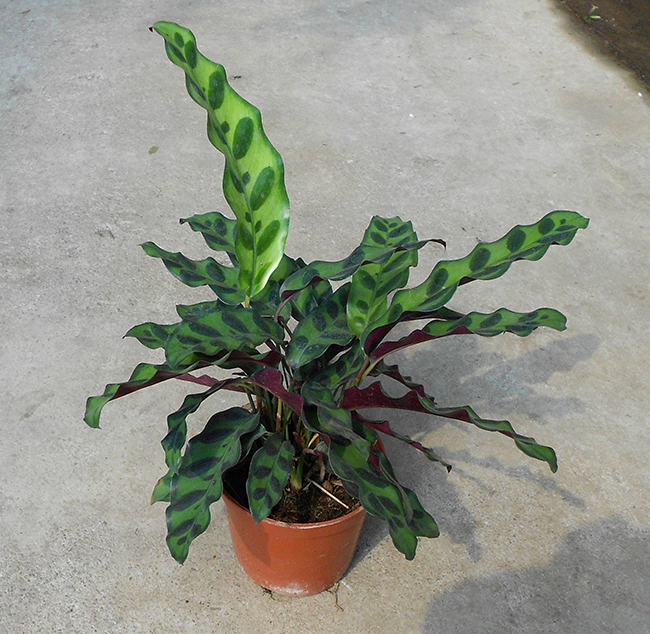
How to grow Calathea makoyana? Detailed guide to care methods and precautions
Introduction to Calathea makoyana: Calathea makoyana, family Marantaceae, genus Calathea, is a perennial evergreen herb. The plant is upright and can reach 60 cm in height. The petioles are purplish-red, the leaves are thinly leathery, ovate-elliptic, and the leaf surface bears feather-like markings alternating dark green with white or pale yellow, just like the pattern on a peacock's tail feathers, which is how it got its name.
-
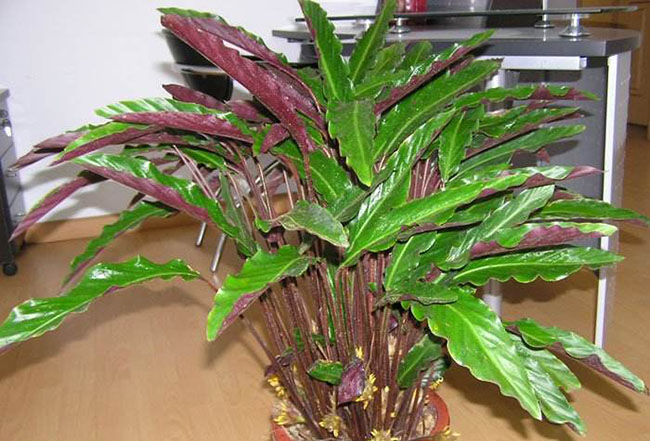
How to grow Calathea roseopicta? Detailed care methods and precautions
Growth habits of Calathea roseopicta. Calathea roseopicta likes to grow in a warm, humid, shaded environment; it is not cold-tolerant, fears drought, and dislikes strong direct sun exposure. Its optimum growth temperature is 20-30°C, and its overwintering temperature is 15°C. The soil for growing Calathea roseopicta should preferably be a sandy soil rich in humus, loose and well aerated.
-
What are the cultivation methods and precautions for the velvet Calathea?
How to cultivate the velvet Calathea and what precautions to note during cultivation
-
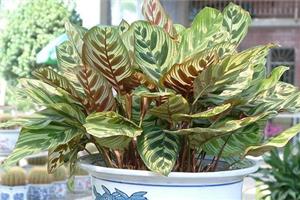
Detailed Guide to Peacock Calathea Cultivation Methods and Precautions
Peacock Calathea Cultivation Methods Peacock Calathea Cultivation Precautions
-
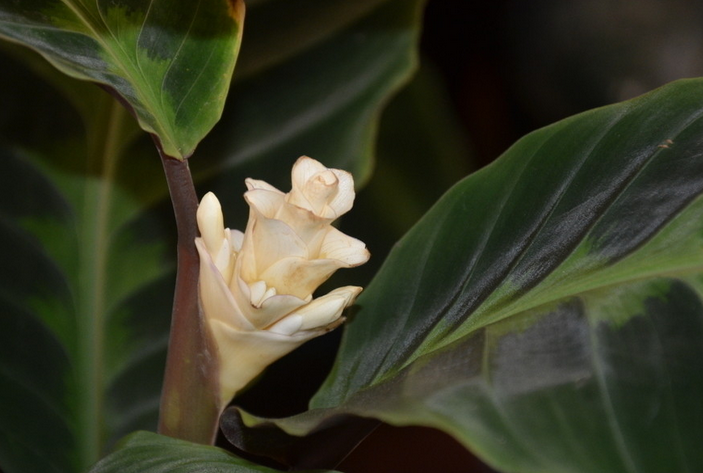
What are the cultivation methods for the velvet calathea?
Velvet calathea (Calathea zebrina) has long, elliptical-lanceolate leaves, with leaf surfaces in pale yellow-green or gray-green and a velvety sheen. Velvet calathea is a perennial evergreen herbaceous foliage plant in the family Marantaceae and the genus Goeppertia (Calathea). So what are the cultivation methods for velvet calathea?
-
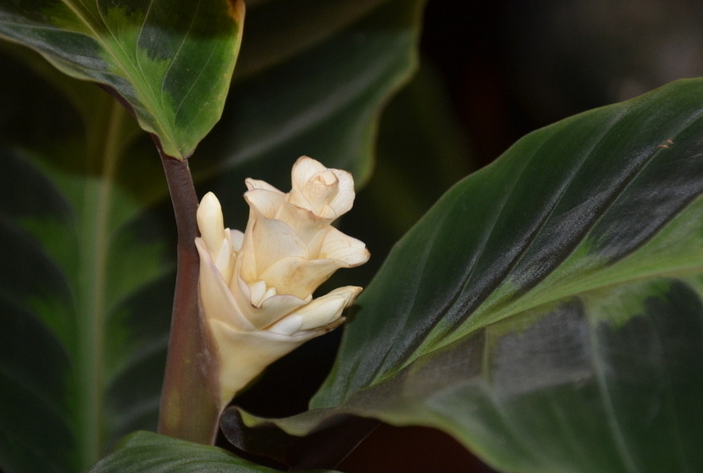
What to Do When Velvet Calathea Leaves Turn Yellow, Droop and Curl? A Guide to Growing Methods
Velvet calathea (Calathea zebrina) has long, elliptical, lance-shaped leaves, with leaf surfaces in pale yellow-green or gray-green and a velvety sheen. Velvet calathea is a perennial evergreen herbaceous foliage plant of the family Marantaceae and the genus Calathea. So what are the growing methods for velvet calathea?
-
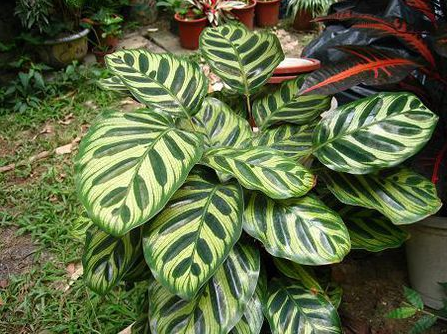
What to Do When Calathea insignis Leaves Turn Yellow and Curl? Care Methods and Precautions
What does Calathea insignis look like? How did it get such an elegant name? Because the leaves of Calathea insignis look just like peacock feathers, they are extremely beautiful. What are the care methods for Calathea insignis? What precautions are there? What should be done when the leaves turn yellow and curl? Light
-
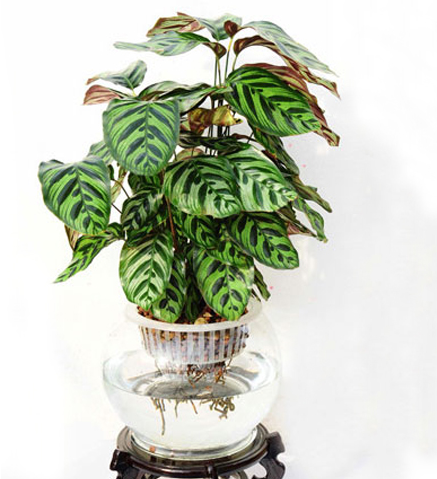
Is Calathea makoyana poisonous? Introduction to hydroponic methods and flowering
Calathea makoyana is good-looking, and its high ornamental value makes it willful; everyone likes it. Calathea makoyana can be grown not only in soil but also hydroponically. What is the hydroponic method? Will Calathea makoyana bloom? Is it poisonous? Hydroponic method for Calathea makoyana: For hydroponics, generally use perlite and vermiculite at 1:1, and it is best to add a little expanded clay pebbles
-
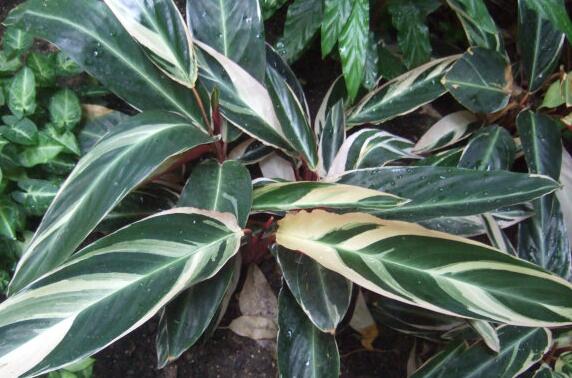
Common Pests and Diseases of the Red-Backed Calathea and Their Control Methods
The red-backed calathea (Stromanthe sanguinea) is highly resistant and seldom troubled by pests and diseases, but problems can still occur when management is poor during cultivation. Common pests mainly include scale insects and red spider mites; common diseases mainly include southern blight and leaf spot.
-
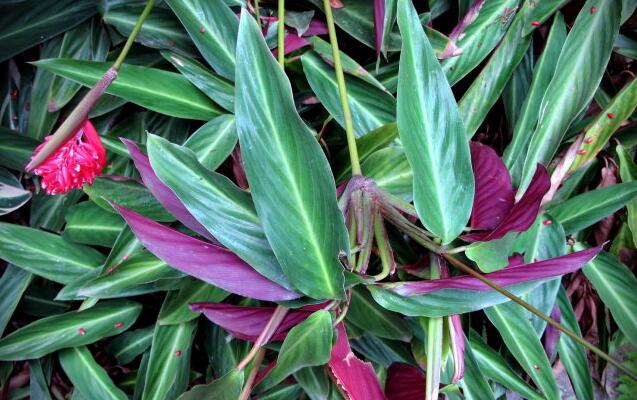
Why are the leaves of the Calathea roseopicta turning yellow? Finding the cause first is key
The Calathea roseopicta has densely growing branches and leaves with a full plant shape, thick leathery texture, dark green glossy leaf surfaces, light-colored midribs, and blood-red leaf undersides, forming a striking contrast. It has spike-like inflorescences, bright red bracts and calyx, and white petals. The back is purplish-red
条件筛选