A Detailed Guide to the Cultivation Methods and Precautions for the Peacock Plant (Calathea makoyana)
Cultivation and Management
For potted Peacock Plants, use a loose, fertile, well-draining, humus-rich, slightly acidic loam. Generally, mix 3 parts leaf mold, 1 part peat or sawdust, and 1 part sand, and add a small amount of soybean cake as a base fertilizer. Avoid using heavy clay garden soil. When potting, first place a 3 cm thick layer of coarse sand at the bottom of the pot as a drainage layer to aid drainage.
During the growing season, provide plenty of water. Especially in summer and autumn, in addition to keeping the potting soil moist at all times, you must also frequently mist the leaves to lower the temperature and maintain humidity. It requires relatively high air humidity, ideally reaching 70% to 80%. Avoid dry air and dry potting soil, but do not allow waterlogging. After late autumn, water should be controlled to help it resist the cold and survive the winter. In winter, keep the environment dry; if it is too wet, the basal leaves will turn yellow and scorch, affecting its ornamental value.
From May to September, during the growing season, place it in a shaded or semi-shaded spot, maintaining a light transmission rate of 40%-60%, and avoid direct harsh sunlight. Too much light or dry air can easily cause the leaf margins and tips to scorch and the leaf patterns to become dull and lusterless. However, the light should not be too weak either. If kept in a dark room for a long time, with low temperatures and insufficient light, it will also grow poorly, which is unfavorable for leaf color development, and it will lose the unique metallic sheen of its leaves. In winter, it can receive direct sunlight through glass.
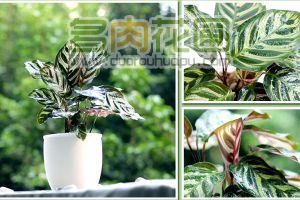
Soil Selection for the Peacock Plant
For potted Peacock Plants, use a loose, fertile, well-draining, humus-rich, slightly acidic loam. Generally, mix 3 parts leaf mold, 1 part peat or sawdust, and 1 part sand, and add a small amount of soybean cake as a base fertilizer. Avoid using heavy clay garden soil. When potting, first place a 3 cm thick layer of coarse sand at the bottom of the pot as a drainage layer to aid drainage.
Water Requirements for the Peacock Plant
During the growing season, provide plenty of water. Especially in summer and autumn, in addition to keeping the potting soil moist at all times, you must also frequently mist the leaves to lower the temperature and maintain humidity. It requires relatively high air humidity, ideally reaching 70% to 80%. Avoid dry air and dry potting soil, but do not allow waterlogging. After late autumn, water should be controlled to help it resist the cold and survive the winter. In winter, keep the environment dry; if it is too wet, the basal leaves will turn yellow and scorch, affecting its ornamental value.
Light Requirements for the Peacock Plant
From May to September, during the growing season, place it in a shaded or semi-shaded spot, maintaining a light transmission rate of 40%-60%, and avoid direct harsh sunlight. Too much light or dry air can easily cause the leaf margins and tips to scorch and the leaf patterns to become dull and lusterless. However, the light should not be too weak either. If kept in a dark room for a long time, with low temperatures and insufficient light, it will also grow poorly, which is unfavorable for leaf color development, and it will lose the unique metallic sheen of its leaves. In winter, it can receive direct sunlight through glass.
Fertilization Requirements for the Peacock Plant
When the Peacock Plant lacks fertilizer, the plant becomes noticeably stunted, the leaf color turns dull, and the golden sheen is not vivid. During the growing season, apply a dilute liquid fertilizer once every 20 days, with a nitrogen-phosphorus-potassium ratio of 2:1:1, which can make the leaf color glossy and vivid. Absolutely avoid an excessive proportion of nitrogen fertilizer. For example, spraying a 0.2% liquid fertilizer directly on the leaves every 10 days is extremely beneficial for sprouting and growth. Stop fertilizing in winter and summer.
Precautions for Cultivating the Peacock Plant
The Peacock Plant has relatively shallow roots, so it is best to choose a wide-mouthed, shallow pot. This way, it does not affect root growth, and when the leaves spread out during the day, the plant will not look top-heavy. The potting soil should be loose, breathable, well-draining, nutrient-rich, and slightly acidic.
The Peacock Plant is generally repotted in spring when dividing the plant, repotting once every 1 to 2 years. When repotting, add new potting soil, cut off residual roots and dead leaves, and replant to promote growth.
The Peacock Plant has few pests and diseases, but if ventilation is poor and the air is dry, scale insects may still cause damage. Spray with imidacloprid-series pesticides for control.
How to Grow the Peacock Plant: Cultivation Methods and Precautions for the Peacock Plant / Plenty of Water
The Peacock Plant, a member of the many Calathea varieties, looks exceptionally beautiful with its vibrant leaf color. Whether at home or in public places, the Peacock Plant can play a very good role in beautification. So how do you grow a Peacock Plant? Below is a carefully compiled guide to the cultivation methods and precautions for the Peacock Plant, very comprehensive. Friends who want to grow one, come take a look!
1. How to Grow the Peacock Plant: Understand Its Habits
The Peacock Plant prefers a warm, humid, semi-shaded environment. It dislikes strong light, so when growing it indoors, everyone should water it frequently to keep the potting soil moist, and in winter, take good measures to keep it warm. So for how to grow the Peacock Plant, you only need to meet its growth habits. For specific requirements, let's continue reading below.
2. Cultivation Methods and Precautions for the Peacock Plant
1. Potting Soil
How to grow a potted Peacock Plant? First, of course, is choosing the potting soil. Although when you buy a Peacock Plant from a flower shop, it comes with an existing pot and soil, if you want to grow it well, it is very necessary to choose a flower pot and soil yourself.
Flower Pot: Because the Peacock Plant has relatively shallow roots, it is best to choose a wide-mouthed, shallow flower pot when growing it. This way, it does not affect root growth, and when the leaves spread out during the day, the plant will not look top-heavy.
Soil: According to the growth habits of the Peacock Plant, you can choose a loose, fertile, well-draining, humus-rich, slightly acidic loam. For this, the editor recommends a soil mix of 3 parts leaf mold, 1 part peat or sawdust, and 1 part sand, with a small amount of soybean cake added as a base fertilizer.
2. Light
In the cultivation methods for the Peacock Plant, light is indispensable. The Peacock Plant prefers semi-shade. During the growing season from May to September, you should place it in a shaded or semi-shaded spot, maintaining a light transmission rate of 40%-60%, and avoid direct harsh sunlight. When the light is not strong, it can be placed outside to get some sun.
Precautions: The Peacock Plant dislikes direct strong light. Once exposed to the sun under strong sunlight, or if the air is too dry, it can easily cause the leaf margins and tips to scorch. But if kept in a dark room for a long time, the Peacock Plant will also show symptoms of poor growth.
3. Water
Water is needed for plant growth, and the Peacock Plant prefers a humid environment, so flower lovers need to water it frequently to keep the potting soil moist. In addition, when the air is dry, you must also frequently mist the leaves to lower the temperature and maintain humidity.
Precautions: The Peacock Plant has relatively high requirements for air humidity, ideally reaching 70%-80%. Once the air is too dry, the basal leaves of the plant will turn yellow and scorch, affecting its ornamental value.
4. Fertilization
Having covered water, let's now talk about fertilization, which is also very important in the cultivation methods for the Peacock Plant. During the growing season of the Peacock Plant, apply a dilute liquid fertilizer once every 20 days, with a nitrogen-phosphorus-potassium ratio of 2:1:1, which can make the leaf color glossy and vivid.
Precautions: The Peacock Plant is very sensitive to high-concentration fertilizers, so do not over-fertilize, otherwise it can easily cause leaf burn. In addition, when temperatures are low, you should control the amount of fertilizer applied, otherwise the leaves of the Peacock Plant will develop scorched edges.
5. Temperature
The Peacock Plant prefers warmth and is not cold-tolerant, so for how to grow a Calathea, regulating temperature is very important. The most suitable growing temperature for the Peacock Plant is around 12-29°C. In winter, the temperature should be maintained at 16-18°C. When growing it indoors, if you want it to grow well, it is best to maintain this room temperature.
Precautions: In winter, when the room temperature is below 15°C, take good measures to keep it warm. If you do not pay attention to temperature regulation, the Peacock Plant will stop growing, and in severe cases, it may even die.
6. Repotting
In the growth process of the Peacock Plant, repotting is also an indispensable step. Flower lovers should repot once every 1 to 2 years, in spring when dividing the plant. When repotting, add new potting soil, cut off residual roots and dead leaves, and replant to promote growth.
7. Pests and Diseases
The Peacock Plant is rarely bothered by pests and diseases, but when grown indoors, if ventilation is poor and the air is dry, the plant may still be affected by scale insects. At this time, you should promptly spray pesticides for control, and imidacloprid-series pesticides can be chosen.
Overall, the Peacock Plant is still quite easy to grow, but if you want to grow it beautifully, you need to put in more effort and follow the requirements above for care. Only then can the Peacock Plant grow in a way that makes your heart flutter. The editor will introduce the cultivation methods and precautions for the Peacock Plant here. Flower lovers whose hearts are fluttering might as well try growing one!