-
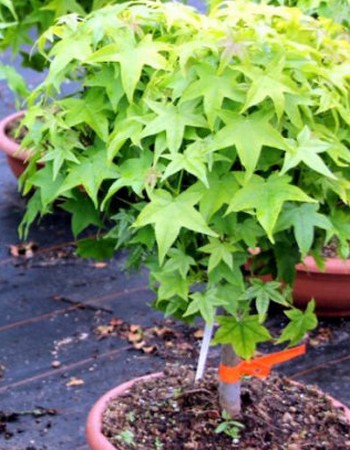
A Detailed Guide to Witch Hazel Propagation Methods: Easily Master the Breeding Techniques
Witch hazel (Hamamelis) has uniquely shaped and fragrant flowers, blooming before the leaves in early spring, with petals like threads, light and graceful, making it an important early-spring flowering nursery plant. It is suitable for specimen planting in garden corners, beside ponds and streams, and at the edges of shrub groupings, and is also a great material for bonsai. Witch hazel's unique petals and graceful tree form attract many people
-
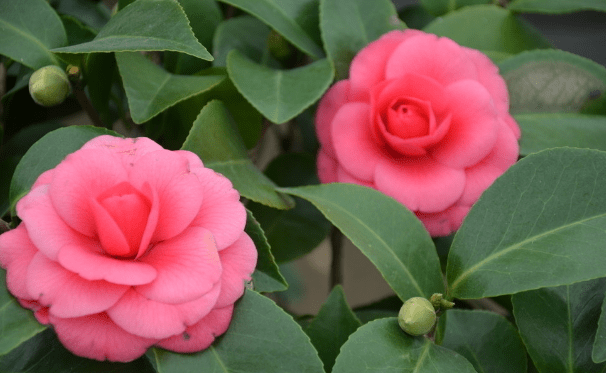
How to care for camellias in winter? Breeding taboos and care tips
Camellia is a flower world-famous. It is also a traditional flower of our country. Now it has gradually entered winter. Flower lovers are worried about how to care for their beloved camellias in winter, and about winter protection. There are some tips and some taboos not to touch. Below, the editor introduces the taboos and care techniques for camellia winter breeding
-
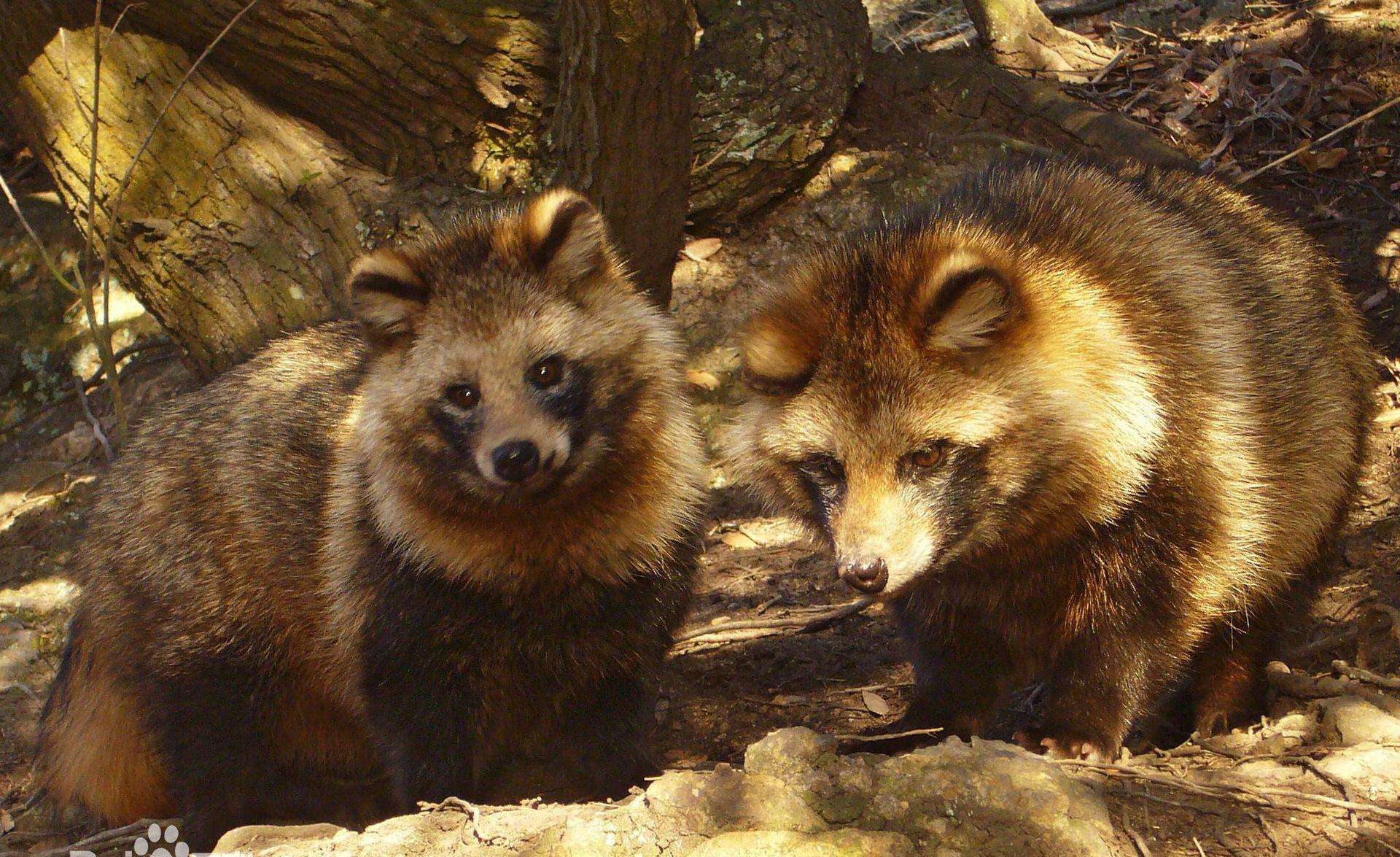
Raccoon dog breeding: breeding stock selection and feed combination video, plus 2018 prospect forecast
The raccoon dog, also known as the earth badger, bears some resemblance to the fox. Its meat is nutritious and rich, and its fur is one of China's traditional export commodities, often used to make coats, fur collars and other high-end clothing. China has many special breeding projects suitable for long-term development, and the raccoon dog, as a relatively rare animal
-
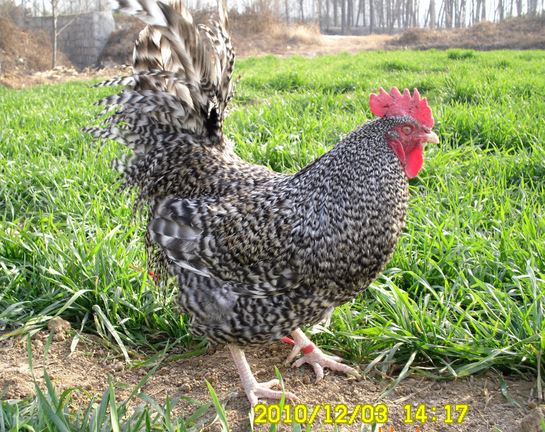
How much does a Barred Plymouth Rock chick cost? Analysis of breeding methods and profit prospects
The Barred Plymouth Rock has a large, oval body; an adult chicken weighs at most just four or five jin. Its eggshells are mostly light brown, but whether it is the meat or the eggs, both are far more nutritious than ordinary broiler chickens, and the meat is relatively fresh, tender and tasty. The Barred Plymouth Rock is also a native chicken breed of our country, so it is quite suitable for free-range raising in rural areas.
-
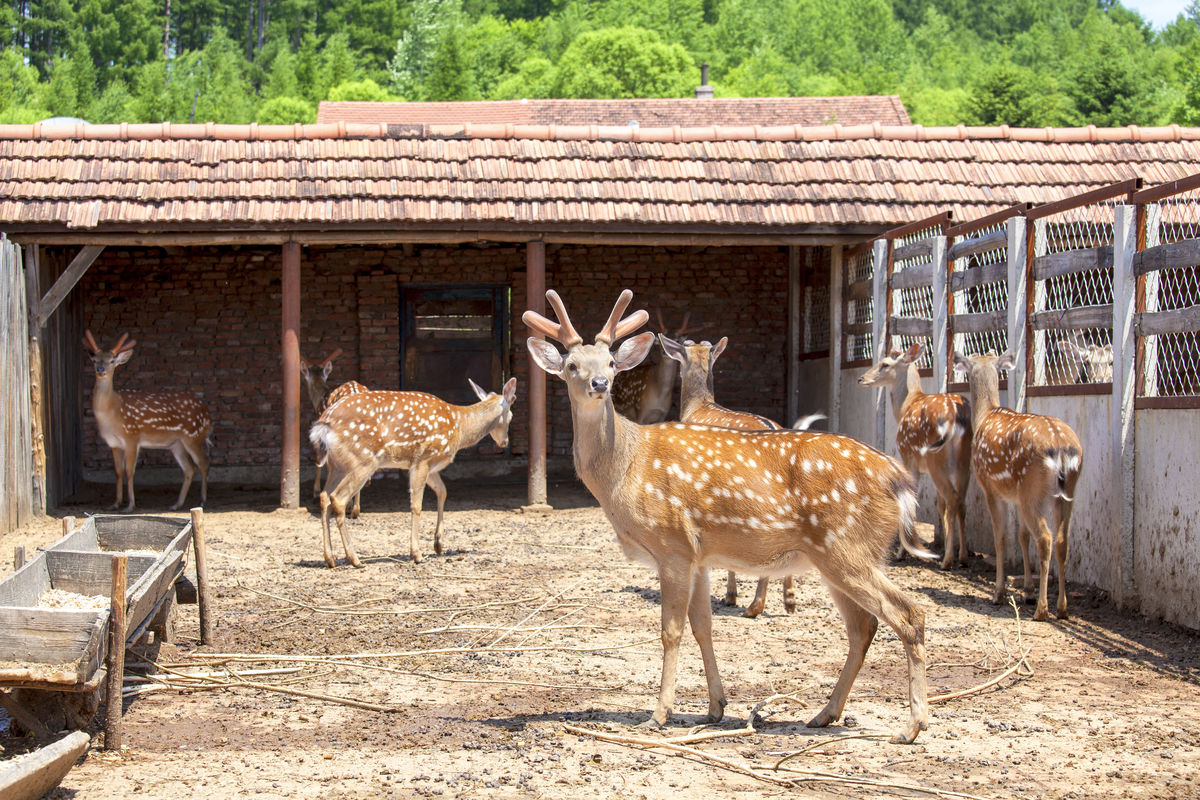
Sika Deer Breeding Site Construction Plan and Design Drawings Explained in Detail
Sika deer spend most of their time in herds, but their habitat changes with the seasons, and their housing and buildings differ from those of other animals. Therefore, before building a deer farm, the site must be planned and developed in line with the deer's own habitat environment, and the size, location and resources of the construction must be rationally allocated.
-
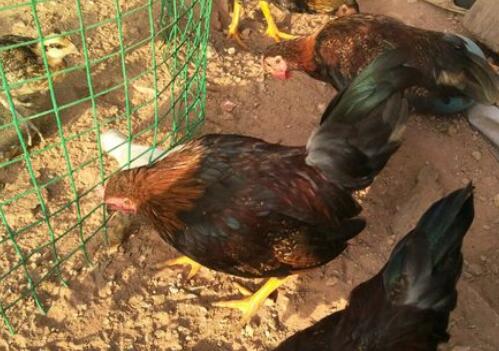
Detailed Guide to Tea Flower Chicken Prices, Chick Purchase Channels, Market-Ready Time and Breeding Techniques
Tea Flower Chicken is commonly known as red junglefowl, red jungle fowl, wild chicken, or zhuye. It is famous in southwest China and is produced in the deep mountains and old forests around Xishuangbanna. So how much does a Tea Flower Chicken cost on the market? Where are chicks sold? How many months until they grow to market-ready size? What are the breeding techniques? From Yunnan live poultry markets, it is learned that
-

Soybean Molecular Breeding Technology Successfully Developed by South Korea
The Agricultural Biotechnology Research Institute of South Korea's Rural Development Administration recently succeeded in developing a soybean molecular breeding technology, which means that South Korea's mass production of organic soybeans containing anti-cancer components will become a reality. South Korea's technology for regenerating soybean plants through tissue culture is not very advanced, so trait-transformed soybeans are mainly imported from the United States. The Rural Development Administration revealed that molecular breeding technology is called third-generation genetic engineering technology; using this technology, soybeans with higher added value can be produced, which is important for increasing farmers' income
-
Soybean molecular breeding technology successfully developed by South Korea
The Agricultural Biotechnology Research Institute of South Korea's Rural Development Administration recently successfully developed a soybean molecular breeding technology, which means that South Korea's mass production of organic soybeans containing anti-cancer components will become a reality. South Korea's regeneration technology for soybean plant bodies through tissue culture is not well developed, so trait-transformed soybeans are mainly imported from the United States. The Rural Development Administration revealed that molecular breeding technology is called third-generation genetic engineering technology. Using this technology, soybeans with higher added value can be produced, which is of great significance for increasing farmers' income.
-
Detailed Explanation of Tea Plant Clonal Breeding Techniques and Methods
A breeding method that combines single-plant selection with vegetative propagation to develop new varieties. Tea varieties developed through clonal breeding are called tea clonal varieties or tea vegetative propagation line varieties. They can reflect the heredity of the mother tree, maintain the excellent traits of improved tea varieties, have fast propagation speed and a short propagation cycle, and can be propagated through cutting seedling raising at the seedling stage, with a relatively high propagation coefficient. Since the promotion and success of short-stem tea cuttings, tea clonal breeding has been the selection method of "single-plant selection -- cutting propagation." The breeding method
-
Tea plant sexual-line breeding methods and key technical points
A breeding method in which sexual progeny of tea plants are produced through the union of male and female gametes and, after selection, new cultivars are developed. The cultivars developed are called sexual-line cultivars. The methods are: 1. Selection of superior individual plants or types: according to the breeding objectives, carry out individual plant selection or group selection from the original material nursery or production tea gardens; 2. Seed collection and seedling raising: for the initially selected individual plants or groups, separately reserve and collect seeds, and raise seedlings separately by line, carrying out identification of seedling-stage traits and cultivar purity; 3. Family or group comparative trials: arrange comparative trials of the selected families or groups together with control
条件筛选