How to care for camellias in winter? Breeding taboos and care tips
Camellia is a flower world-famous. It is also a traditional flower of our country. Now it has gradually entered winter. Flower lovers are worried about how to care for their beloved camellias in winter, and about winter protection. There are some tips and some taboos not to touch. Below, the editor introduces the taboos and care techniques for camellia winter breeding. I hope everyone likes it.
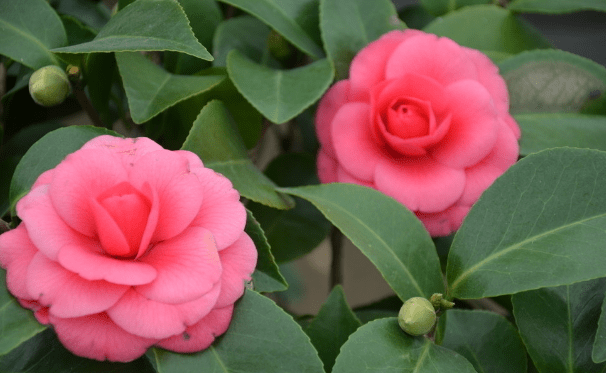
Taboos in camellia winter breeding
Light must not be too little
Although this flower is a semi-shade flower, it should be kept somewhere in winter. If the light is too little, it will affect the photosynthesis of the leaves. The flowers will become very poor, and may even be affected by pests and diseases, so be sure to place them in a suitable sunny place.
Temperature must not be too low
The environment in which this flower is willing to survive is 10-15°C. If the temperature is well controlled, they can bloom during the Spring Festival. If the temperature is maintained during this process, they can also bloom in March. If the temperature is too low, the flowers will not only be slow, but it is also unlikely to freeze them.
Watering must not be too much
How to water this flower in winter depends on the winter temperature. Under normal circumstances, it can be done about once every three days. If there is too much water, it is easy to retain moisture in the pot. Once water enters the basin, their roots cannot breathe normally, and the plant cannot grow normally. It may even cause the entire plant to die.
No fertilization after flowering
We all know this flower, but it is not a continuous supplement; they will all be absorbed. Some fertilizer can be used when changing pots and soil. If the amount of fertilizer is too large, the flower buds will be scorched, so the amount of flowering will be greatly reduced. After the flowers open, there is no need to fertilize. Excessive fertilizer will cause the plant to become unsuitable. Fertilizer is not needed because they will not grow, and they do not need feeding during this period. So in summer, dormant camellias do not need to worry about fertilizer.
Camellia winter care tips
Anti-freezing and warmth When the temperature drops below 0°C, potted camellias should be moved to a warm, wind-sheltered place outdoors, or placed in a plastic shed, sealed on three sides and facing the sun. It can also be placed indoors, but it requires being light and well ventilated. In severe frost and freezing conditions, you should keep it warm; it is better to move outdoor camellias indoors, then let them cool down suddenly. If placed outdoors, they should be covered at night with plastic film, newspaper or cloth.
Water and fertilizer management Camellia likes a warm, humid environment and is afraid of water accumulation. Before flowering, watering should be based on the principle that the potting soil is not dry or not watered, and water thoroughly when watering.
Every 3-5 days, spray the leaves with water at a temperature similar to room temperature once, to increase humidity and clean surface dust. The amount of watering during the flowering period is suitable for observing the moisture of the potting soil, and the suitable watering time is at noon on a sunny day. In winter, camellia buds swell. Use foliar spray or rooting with phosphorus and potassium (fertilizer-to-water ratio of 1:4), and spray a 0.1% to 0.3% potassium dihydrogen phosphate solution once a day. 1 time.
When other indoor flowers bloom in winter (early flower varieties begin to bloom at the end of November, and general varieties bloom within 2-4 months), do not place them in a place with too strong light or too high temperature, otherwise the flowers will suffer. Too many flower buds can be used to promote flowering and color, and prolong flowering.
Camellia flowering control
Because camellias are not cold-resistant, delaying flowering is uncommon. Usually, the flowering period is controlled by selecting varieties, temperature control and hormone treatment. To make camellias bloom, you can use a brush to dip 0.1% gibberellin in mid-July or mid-August, apply it to the flower buds, and apply it once every 3 days. Fertilizer management is normal. In September, the growth of flower buds determines whether to apply bud treatment. If it is estimated that the flowers are not guaranteed, the number of buds can be increased, the amount of fertilizer and water can be increased, and the flower buds can grow quickly, so that "11" can be seen.