Raccoon dog breeding: breeding stock selection and feed combination video, plus 2018 prospect forecast
The raccoon dog, also known as the earth badger, bears some resemblance to the fox. Its meat is nutritious and rich, and its fur is one of China's traditional export commodities, often used to make coats, fur collars and other high-end clothing. China has many special breeding projects suitable for long-term development, and the raccoon dog, as a relatively rare animal
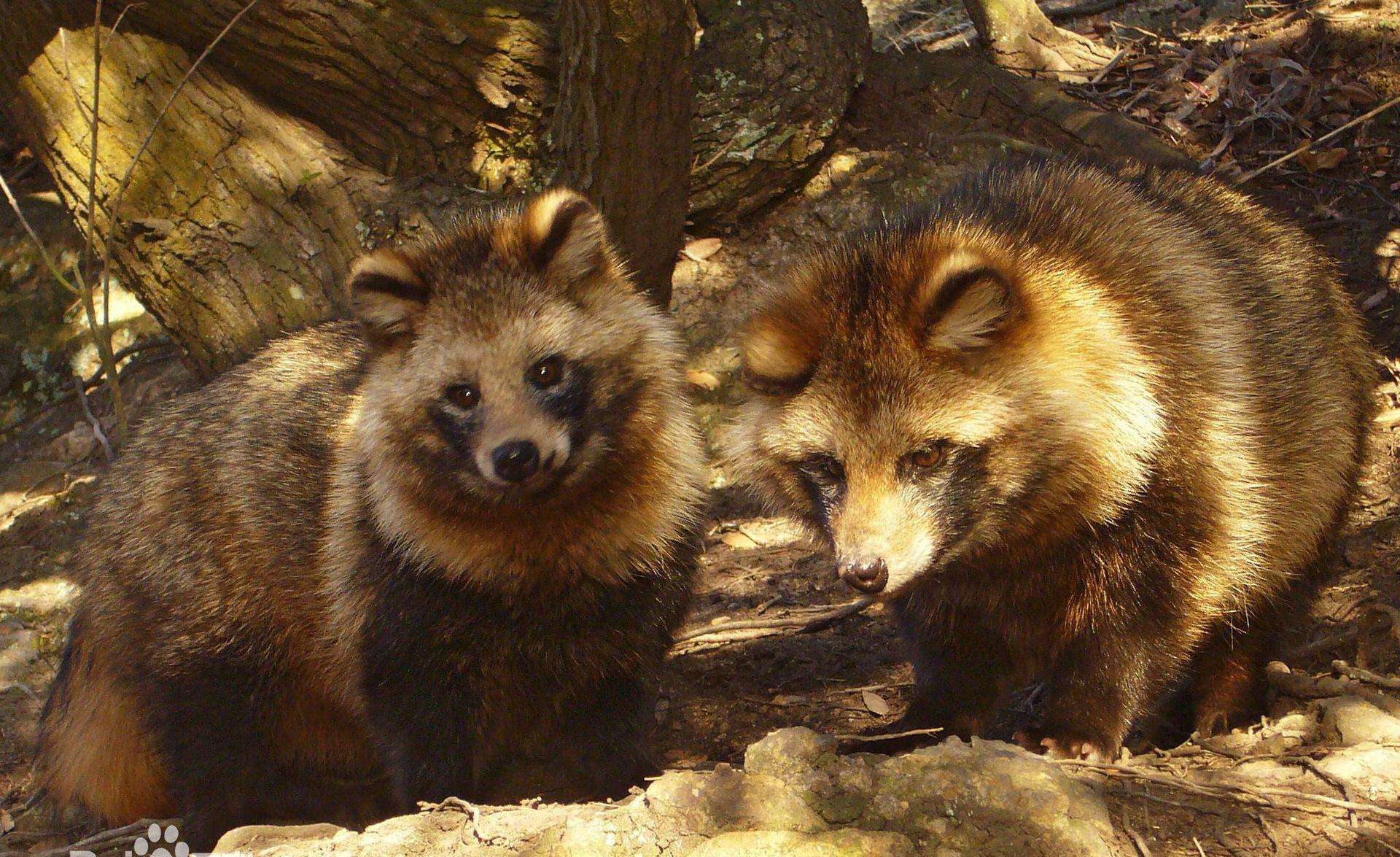
The breeding volume of raccoon dogs is greatly affected by international fur market prices, and has shown fluctuations over decades of development, but the overall trend in China is that the total number raised increases year by year. At present, China's raccoon dog population is 18 million, mainly distributed in Hebei, Shandong, Liaoning, Jilin, Heilongjiang and Inner Mongolia, among other places. With the development of China's economy, people's demand for high-end fur clothing is increasing day by day, and the technical level of raccoon dog breeding and breeders' mastery of the technology are improving year by year. In particular, the improvement of major disease prevention and control capacity and nutritional regulation technology has led the raccoon dog breeding industry to show healthy development and rapid growth. The raccoon dog is a precious animal; its pelt is wear-resistant and elastic, and its meat is tender with high nutritional value.
The cub and young raccoon dog stage is the more difficult period to raise in a raccoon dog's life. The survival rate of cubs and young raccoon dogs is the key to success or failure in raccoon dog farming. Only by taking comprehensive measures and doing well in every link of raising cubs and young raccoon dogs can we ensure that they all survive and grow quickly.
1. Breeding stock selection stage and mating preparation period
When selecting breeding stock, choose those with long legs, long bodies, large body size, fine and dense fur, black and even guard hairs, male raccoon dogs with large and elastic testicles, and female raccoon dogs with many and large teats; keep those with gentle temperaments as breeding stock. From the end of November to the end of January each year, feed once a day, with a higher proportion of animal feed in the diet, and appropriately supplement some vitamins, such as vitamin B, cod liver oil, and vitamin E, and let the raccoon dogs move around as much as possible. Standard for mating body condition: based on body length (from behind the ears to the base of the tail), each cm × 110 g is normal mating body condition. Body condition adjustment can be divided into two stages: natural body condition reduction and artificial body condition reduction.
Natural body condition reduction (Start of Winter to December 1): The raccoon dog enters a hibernation period, appetite decreases, feed once each evening, halve the food amount. Generally, each animal gets 75 g of cornmeal and 20 g of fishmeal per day. The standard for adding food should be that the plate is completely clean after feeding, and food should be added as appropriate.
Artificial body condition reduction (December 1 to January 15): Start adjusting body condition from December 1. First, weigh each breeding raccoon dog once generally, measure it against the mating body condition standard, see how to feed it so that it drops to mating body condition by January 15, make a condition adjustment plan, and control the food amount well. Weigh again on December 10 to measure how much it drops each day, and adjust the food amount increase or decrease again according to dropping to mating body condition by January 15. At this stage, the feed should be 35-45 g of cornmeal and 20 g of fishmeal. Starting December 10, breeding female raccoon dogs begin medication: vitamin E and cod liver oil fed in rotation; vitamin B1, compound vitamin B, and vitamin C fed in rotation to male and female raccoon dogs, 1 tablet each. At this stage, if body condition drops slowly, reduce only the cornmeal, not the fishmeal. Continue until body condition drops to mating condition before January 15.
2. Female raccoon dogs during gestation and the littering and lactation period
During gestation, they must not only maintain their own metabolism, but also supply the nutrients needed for fetal growth and development and store nutrients for postpartum lactation. Therefore, this period should have the highest nutritional level of the year. The diet must be complete, fresh, easy to digest, and highly palatable, and the types and composition supplied should remain relatively stable. Absolutely do not feed spoiled and deteriorated feed, otherwise it will cause embryonic absorption, stillbirth, rotten fetuses and miscarriage, among other phenomena.
During lactation, after the female raccoon dog gives birth, nutrient consumption is relatively high in order to nurse the cubs and restore her own strength. In the early lactation period, an appropriate amount of milk-based feed should be added to the female raccoon dog's diet to promote lactation. Feed processing should be fine, the consistency should be mixed somewhat thin, and sufficient drinking water must be ensured. In the late lactation period, when the cubs begin to eat or breast milk is insufficient, artificial supplementary feeding should be given promptly. The method is to mince fresh animal feed, add grain feed and vitamin feed, mix evenly with milk, and feed it to the cubs.
3. Young raccoon dog rearing period. Young raccoon dogs begin eating at 20-25 days of age, are weaned and separated at 45-60 days of age, gain weight fastest at 90-120 days of age, after which growth intensity decreases, and basically stop growing at 150-180 days of age, having reached body maturity. The first 2 months after weaning are the key period determining their future body size, so high-quality, complete and high-energy feed should be supplied, while also paying attention to the supplementation of inorganic salts and vitamins. The food amount should not be restricted, but do not leave leftovers either.
4. Recovery period feeding management. From the end of mating for male raccoon dogs until the sexual organs develop again, and for female raccoon dogs from weaning and separation of cubs until September; within 20 days after mating for male raccoon dogs and within 20 days after weaning for female raccoon dogs, feed them the diets for the mating period and the littering and lactation period respectively, then feed the normal recovery period diet. During this period, the proportion of animal feed in the diet should not be less than 10%. After August to September, the animal protein in the diet must be increased.
Raccoon dogs have relatively strong resistance to disease. Clean frequently, disinfect regularly, and eliminate mosquitoes and flies in summer. Do not feed moldy and deteriorated feed. Drinking water must be clean; do not let them drink contaminated water. Animal feed should be cooked at high temperature, and disease is then unlikely to occur. However, because domestic raccoon dogs are limited by conditions and artificial raising conditions differ, disease can still occur. The main fatal diseases of raccoon dogs are canine distemper and canine parvovirus. The main sources of infection for these two diseases are sick dogs. Another cause is poor disease prevention when introducing breeding stock from small raccoon dog farms and breeders, some of whom even do no epidemic prevention, leading to the introduction of virus-carrying raccoon dogs and the occurrence of disease. Although several pharmaceutical factories in China have developed drugs to treat these two diseases, the efficacy is not very good.
Because canine distemper and viral enteritis are highly contagious diseases and there are no specific therapeutic drugs, vaccination is the fundamental way to prevent these two diseases. Young raccoon dogs are vaccinated 2 weeks after weaning, and breeding raccoon dogs are injected with vaccine at the end of December and the beginning of January. Other diseases can be treated with ordinary drugs.
How to select and retain breeding male raccoon dogs?
One male raccoon dog often mates with several female raccoon dogs. Therefore, the influence of the male raccoon dog on the quality of the offspring of the raccoon dog group far exceeds that of the female raccoon dog. When selecting breeding male raccoon dogs, special attention should be paid to selecting those with excellent fur quality and large body size. When selecting male raccoon dogs aged two years or older, refer to their mating records from previous years and the littering records of the female raccoon dogs they mated with. Generally, choose breeding male raccoon dogs that mated more than 15 times during the mating period and whose mated female raccoon dogs averaged more than 7 cubs per litter. For large-scale breeding, retain breeding stock at a male-to-female ratio of 1:3; for small-scale breeding, retain breeding stock at 1:1-2.
Feed formulation for raccoon dogs
The raccoon dog is an omnivore. It eats both animal feed and plant feed, but raccoon dogs rather like eating animal feed. The animal feed for raccoon dogs includes the meat and by-products of various livestock, poultry, wild beasts and wild birds; fish and aquatic animals, milk, eggs and feed yeast, etc. Raccoon dogs can eat almost all animal meats. Lean meat is high in various nutrients, highly palatable, and highly digestible, making it an ideal animal feed.
Raccoon dogs absorb six major categories of nutrients from feed: water, protein, fat, carbohydrates, vitamins and minerals (ash). Animal feed is the only source of animal protein supplied to raccoon dogs, and also contains a certain amount of fat, vitamins and minerals, etc.; plant feed is the main source of carbohydrates and plant protein; fruit and vegetable feed is a main source of some vitamins; additive feed is an indispensable substance for raccoon dog metabolism. In short, raccoon dog feed should be diversified so as to meet the raccoon dog's needs for various nutrients, and supply according to need as much as possible, so that raccoon dogs develop healthily and better economic benefits are obtained.
I. Commonly used feeds for artificial raccoon dog breeding
1 Animal feed: fish, meat and their by-products, and milk and eggs, etc.
2 Plant feed: including crops (such as corn, sorghum, soybean, wheat and their processed products), oil cakes (such as soybean cake, sunflower cake, flaxseed cake, etc.), various vegetables, wild vegetables, inferior fruits, etc.
3 Feed additives: including vitamins (cod liver oil, vitamins A, B, C, E, etc.), minerals (bone meal, stone meal, chalk powder, salt, etc.) and antibiotics (oxytetracycline, tetracycline).
II. Processing and preparation of feed
1. Animal feed should be washed, foreign matter removed, and toxic and deteriorated parts picked out. Sea miscellaneous fish and fresh meat from disease-free animals can be chopped and fed raw, while freshwater fish and meat that is uncertain or slightly deteriorated, livestock and poultry offal, measly pork (try to remove the fat as much as possible) and dry animal feed, etc., must all be steamed or boiled to destroy harmful substances and kill bacteria and parasites before being chopped and fed. Feed such as freshwater fish and river mussel meat contains thiaminase; if fed without steaming or boiling, over time it will cause raccoon dogs to develop vitamin B1 deficiency.
2. For vegetable feed, cut off the roots and rotten parts, wash off the soil, mince it or chop it with a knife and feed raw. The seeds of grain feed should be ground into fine flour (the same fineness as yellow rice flour) and cooked into porridge for feeding. When feeding, mix the various prepared feeds above according to the proportions required by the daily diet, add bone meal, salt, vitamins, etc. together and stir evenly (if the mixed feed is too hot, wait for it to cool before adding, so as not to destroy the effective ingredients), then feed. When preparing feed, attention must be paid to hygiene, the proportions must be accurate, and the thickness should be moderate (a mixed porridge consistency is best). Prepare and mix only as much as is needed for immediate feeding; do not process and mix too much at one time, to prevent the feed from deteriorating due to being stored too long, especially in summer.
Analysis of raccoon dog breeding prospects
Raccoon dog breeding is a relatively mature breeding project. Its main product is fur. Domestically, whether in sales or breeding, it has already reached scale, and fur prices have basically formed a stable trend. However, in recent years, market demand for raccoon dog fur has been gradually increasing, and raccoon dog fur clothing is increasingly favored in the international market. It should be said that the breeding prospects are very broad.
Since 1997, the once-neglected raccoon dog fur market began to recover in 2000, prices rebounded, and the market outlook was promising. With the improvement of domestic and international economic conditions, China's raccoon dog breeding industry has again shown a trend of revival and major development. The fur animal breeding association predicts that international market demand for fur will continue to maintain growth. The prospects for fur fashion are broad. China has joined the WTO, and the economic conditions of major consumer countries of fur products have improved. All of these bring new opportunities and challenges to the development of the fur animal industry. The opportunities are that national policies and the international market are further expanding, and new information, new science and technology, new achievements and new products related to the breeding industry are emerging in large numbers. The essence of the challenge is how to cope with increasingly fierce market competition in a market economy. Competition is ruthless; it follows only the laws and rules of the market economy. Only by seizing opportunities, improving product quality, adjusting breeding varieties and quality well, aligning market direction, and reducing production costs can we respond to future market competition, reasonably avoid risks, and remain invincible in competition.
Cost: breeding stock purchase: 1200-1500 yuan, shed: 50 yuan, cage: 30 yuan, trough: 15 yuan, feed: 1200 yuan (large and small combined), epidemic prevention and other: 200 yuan, total cost: 2695-2995 yuan.
Income: assuming each female raccoon dog gives birth to 6 cubs per litter, then one group of raccoon dogs can produce 12 cubs per year. Calculating each pelt sold at a market price of 300-500 yuan/pelt, one group of raccoon dogs can bring in 3600-6000 yuan, so raising one group of raccoon dogs yields a net income of 905-3005 yuan per year.
The above analysis is for reference only. The main risk in raccoon dog farming should be the risk of breeding technology, that is, reproductive output determines your economic benefits.
Time: 2019-05-06Clicks: