What causes wild rice stem to turn male? Here's how to prevent male wild rice stem
During the cultivation of wild rice stem, plants often emerge that bolt and produce flower stems instead of forming wild rice stem; these are called "male wild rice stem" or "strong wild rice stem". Wild rice stem forms after the plant is infected by the smut fungus, loses the ability to bolt, flower and set seed, and its flower stem swells. The spread of the smut fungus is mainly from the previous year's...
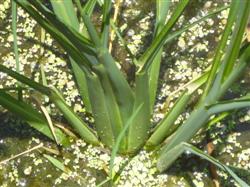
During the cultivation of wild rice stem, plants often emerge that bolt and produce flower stems instead of forming wild rice stem; these are called "male wild rice stem" or "strong wild rice stem".
Wild rice stem forms after the plant is infected by the smut fungus, loses the ability to bolt, flower and set seed, and its flower stem swells.
The spread of the smut fungus is mainly from the previous year's above-ground main stem to the young shoots. Although the underground stem also spreads it, the transmission rate is very low. Therefore, if underground stem propagation is used for many consecutive years, male wild rice stem will increase, ultimately resulting in no wild rice stem production. Thus, the control measure is to select plants that have formed wild rice stem as seed stock, so that the smut fungus is passed on from generation to generation. If seed is kept for a single-crop-per-year variety, let the plants wither naturally, and in the second year transplant the young shoots that emerge from within or at the edge of the clump, and the same method can be used thereafter. If seed is kept for a double-crop-per-year variety, dig out most of the wild rice stem plants from within the clump that withered in winter, leave a small portion in the middle, and when they tiller in the second year, dig out the underground shoots or use the clump-division method, which is also effective. This not only preserves their good characteristics but also allows more wild rice stem to form.
Wild rice stem should not be grown continuously; generally a 3-5 year rotation is suitable. This is also an important means of controlling the occurrence of "male wild rice stem".
In addition, during field management, male wild rice stem should be pulled out promptly, because male wild rice stem has strong growth vigour, and its above-ground plants are tall and take up space; when its underground stolons reach more than 1m in length, they invade neighbouring wild rice stem clumps, not only affecting the growth of the surrounding wild rice stem but also possibly being mistaken for tillers of normal wild rice stem and planted into the field the following year.