What are the benefits and effects of common wild vegetables?
Wild vegetables are generally seasonal edible wild vegetables that grow on hillsides, in valleys, fields and woodland wild areas and that cannot be cultivated artificially, or are not cultivated much artificially. Our country is vast and rich in resources, and there are many common wild vegetables in both the north and the south. Naturally grown wild vegetables are nutritious, and many have special medicinal value, so they are deeply loved by people. Today we mainly introduce the benefits and effects of some common wild vegetables.
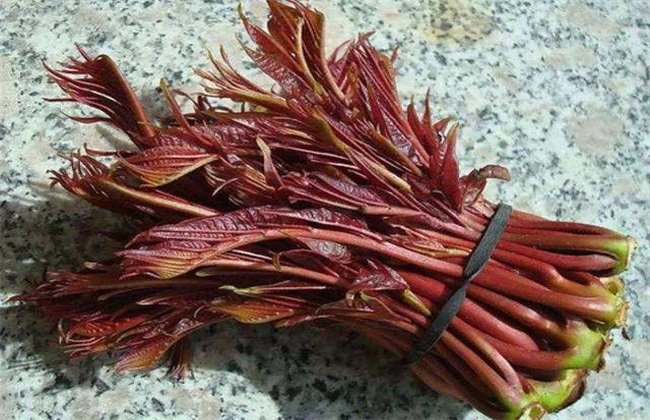
1. Chinese toon (Toona sinensis)
Chinese toon is the tender shoots and tender buds of the Chinese toon tree; it mainly sprouts in spring and can be picked for eating. Chinese toon has a rich fragrance and good taste, and it is also very common, distributed in both the north and the south. Its main dietary therapy effect is preventing wind-cold and rheumatism. It is rich in nutrients and is a precious vegetable, with very high contents of vitamin C, protein, calcium and phosphorus. Eating the leaves mainly serves to reduce inflammation and detoxify, and has an antibacterial effect.
2. Baihao (Artemisia sieversiana)
The undersides of Baihao leaves have many white hairs. It can be eaten; in the south it is mainly used to make mugwort cakes. It grows widely, often beside mountain roads or field ridges, and on hillsides. It has the effects of clearing heat and detoxifying, and reducing swelling and draining dampness. It can treat sores and wind-heat colds. It has the effects of promoting urination and removing heat, and cooling blood and stopping bleeding.
3. Water dropwort (Oenanthe javanica)
It often grows in moist ditches and field-side water channels. It has a rich, delicate fragrance and a certain medicinal value, with the effects of moistening the lungs and removing dampness, and clearing heat and detoxifying. It can relieve symptoms of high blood pressure, edema, colds and diarrhea. It mainly contains volatile oils, sterols and flavonoids, which can be utilized by the human body.
4. Fish mint (Houttuynia cordata)
Also called zhe'ergen, it is a wild vegetable very much liked by people in the southwest region. It usually grows mainly on field ridges and earthen banks. It is a famous medicinal herb recorded in materia medica books, with main effects of clearing heat and draining dampness, and reducing swelling and promoting urination; it is mainly used to clear heat toxins and for antibacterial purposes.
5. Purslane (Portulaca oleracea)
A famous wild vegetable with strong adaptability and wide distribution; it can grow even in poor environments. It is a common weed in fields and at field edges, and in rural areas it is generally removed as a weed. It has medicinal effects, mainly quenching thirst, reducing inflammation and promoting urination. Its taste is rather good, and it contains a large amount of fatty acids; after people eat it, it controls cholesterol levels and protects blood vessels.
6. Qingming herb (Gnaphalium affine)
It is both a wild vegetable and a common Chinese medicinal herb. It mainly treats coughs, colds and muscle and bone pain, and its main effects are dispelling wind and releasing the exterior, and eliminating phlegm and stopping cough. It is generally used in formulas together with other medicinal herbs. The tender leaves are mainly picked for eating in spring, and they can also be picked for eating in summer.
Common wild vegetables mostly grow by roadsides, on hillsides and in fields; they do not grow in deep mountains or in places that cannot be seen. Common wild vegetables are generally those whose effects have been ascertained and which are understood to provide great nutritional or medicinal help to the human body.