-
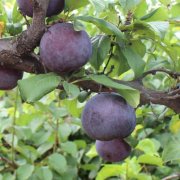
What is the difference between black plums and red plums, and which is sweeter and tastier?
Red plums and black plums are two fairly common fruits, sweet and sour and tasty, and they are rich in antioxidants, which can promote the body's production of collagen, thereby achieving the effect of promoting body balance. The nutritional value of the two, red plums and black plums, is
-
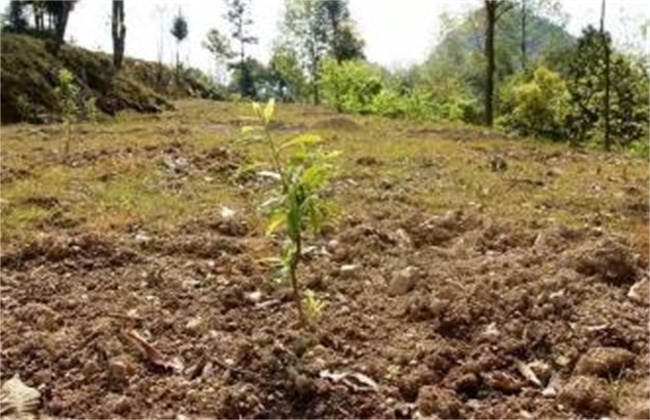
Detailed Explanation of the Key Cultivation and Management Techniques for Cuihong Plum
Cuihong Plum Cultivation and Management Techniques
-
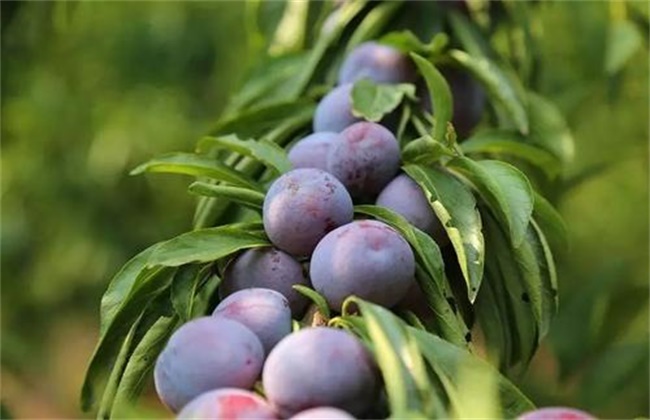
Detailed Explanation of Crispy Red Plum Planting Techniques and Management Key Points
Crispy Red Plum Planting Techniques
-
When is plum season? Characteristics of common varieties Shalian plum and red-fleshed plum
Plums are also known as "Jiaqingzi" and are in season from May to August each year. When and how to prune plum trees - you should know that plums have strong adaptability to climate, are not demanding about soil, grow quickly, produce high yields, and have high economic value. Besides being eaten fresh, they can also be made into canned goods.
-
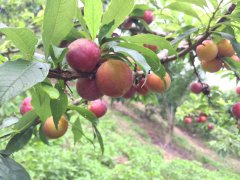
Characteristics of the most common plum varieties: Hongyu plum, Baiyu plum, yellow-fleshed plum, and Tai'an plum
When talking about Tai'an in Miaoli, you can't help but mention plums, bamboo shoots, ginger, and hot springs! Today, the editor came to Yunyi Farm at an altitude of 800 m to visit Brother Li Shiqing, who specializes in growing plums. The Li family has been growing plums since Brother Li's grandfather's time, and Brother Li took over the plum orchard from his father six years ago. When it comes to growing plums, he has some ideas that differ from the older generation!
-
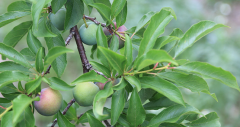
How is the red-heart red-flesh plum variety? Growing conditions and environmental features of the Tengzhi tribe
During the Japanese occupation era, when Taiwan was colonized by the Japanese, the Tengzhi tribe in Taoyuan, Kaohsiung was in early times a vast expanse of cedar and tung blossoms. The Bunun tribespeople living here enjoyed peaceful lives and were content with their lot. After chatting and interacting with them, one feels that just like the place name here, being here is like a hidden paradise on earth!
-
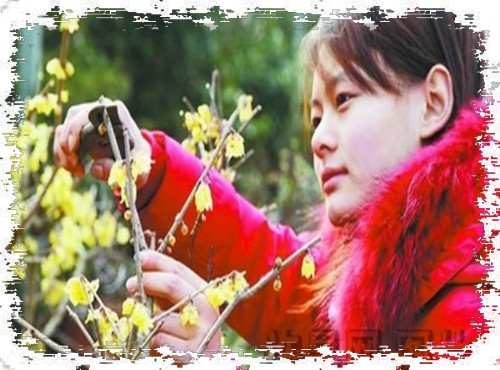
How to prune and wire a plum blossom bonsai? Detailed technical methods
Bonsai creation requires a certain level of skill and experience. To shape a bonsai with strong ornamental value, one simply cannot do it without five or six years of cultivation and shaping expertise. The two most critical techniques in bonsai shaping are pruning and wiring. Pruning techniques: some early woody flowering plants that bloom before leafing out
-
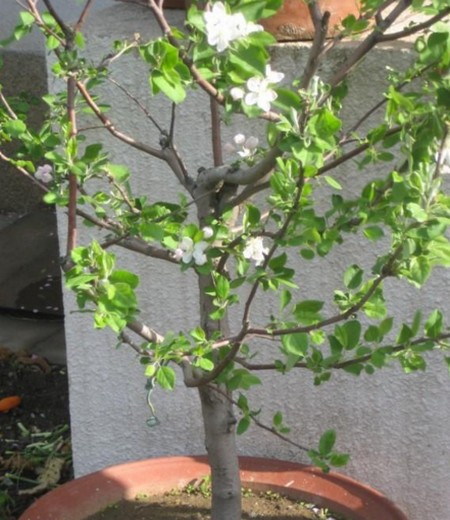
How to prune a potted plum tree? Detailed guide to bonsai pruning techniques for plum trees
The pruning shape of a potted plum tree should not only favor fruiting but also have an aesthetic effect, enhancing its ornamental value. Usually, the natural round-headed shape and the pagoda shape are the main forms, though you can also shape it into a favorite tree form according to personal preference, such as the cascade style or the curved-trunk style. After potting
-
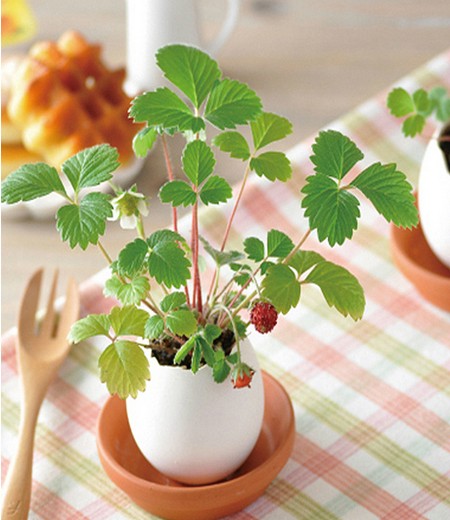
How to Propagate Plumeria? Introduction to Common Propagation Methods
Plumeria has extremely high ornamental value. The whole tree appears graceful, well-proportioned, natural and beautiful. The multi-year old trunk of a mature plumeria has a naturally formed shape that is vigorous and upright, full of presence; its canopy is like a cover, full of green, naturally growing into a rounded form. Therefore, in landscaping
-
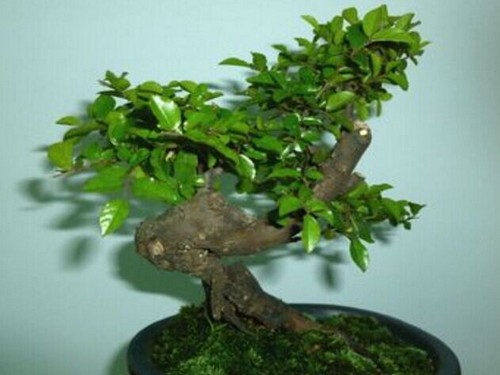
Detailed Explanation of the Key Styling Techniques for Chinese Sweet Plum (Sageretia thea) Bonsai
Sageretia thea, also known as duijieci, sageretia vine, sour fruit, and sour-berry tree, is a deciduous climbing shrub of the genus Sageretia in the family Rhamnaceae. Its roots and trunk are naturally peculiar, and its tree form is vigorous and antique, making it one of the main tree species for stump bonsai in China. Sageretia thea is a major bonsai tree species of the Lingnan school and the Su school, and is also commonly used in other regions.
条件筛选