Detailed Explanation of the Key Cultivation and Management Techniques for Cuihong Plum
Cuihong plum is a common fruit on the market. Unlike other plums, it has thin skin, crisp fruit, sweet flesh, and good storability, so it is loved by a large number of consumers. It has also attracted many people to grow it, so how should Cuihong plum cultivation and management be carried out? Let's find out together.
1. Fertilization
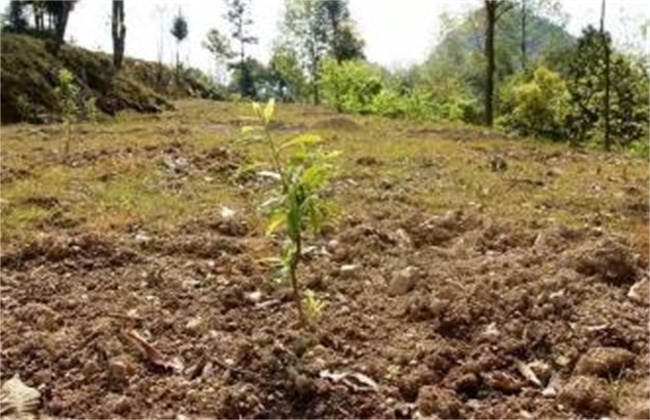
For young trees, the principle of light and frequent application should be adopted. From after planting and survival to bud break, apply fertilizer once, using only diluted manure water and amino acid water-soluble fertilizer. After that, mainly use quick-acting nitrogen fertilizer and phosphorus fertilizer, applying once before bud break and once again after leaf expansion. Adult trees are generally fertilized three times a year. The first time is in early to mid-March to April. At this time, the root system is in the growth and sprouting stage and needs to absorb nutrients to promote spring shoot growth, while also promoting flower bud differentiation and improving the fruit-setting rate, so this fertilization is relatively important. Mainly use quick-acting nitrogen fertilizer and phosphorus-potassium compound fertilizer, applying half a jin of compound fertilizer per tree. Trees with weaker vigor can be appropriately supplemented with nitrogen fertilizer, while those with overly vigorous growth may not need it. After flower drop, calcium elements should be maintained. Calcium is the fourth largest element required by fruit trees and must be given attention. After fruit set, apply 2-3 jin of high-potassium compound fertilizer per tree.
2. Tree Disk Mulching
For adult trees, weeds or straw can be used to cover the tree disk throughout the year. When fertilizing in autumn or expanding holes and improving soil, press them into the orchard together. This can both build up soil and keep the soil moist in summer, lowering ground temperature, which is beneficial to plant growth. In autumn, cultivate the entire orchard once, with a depth of 10-20 cm being suitable, and apply organic fertilizer together with turning the soil.
3. Drainage and Irrigation
During the fruit ripening period, the water requirement is relatively low. If there is a sudden heavy rain or excessive rainfall, it can easily cause poor fruit coloring and fruit cracking, so in the rainy season attention should be paid to strengthening drainage. Summer rainstorms and autumn continuous rain can easily cause tree death. Too low humidity is also unfavorable for the branch and shoot growth of Cuihong plum, so ditches should be opened in time for drainage. During the fruit expansion period, water demand is at its peak. At this time, drought will affect fruit quality and yield, but excessive watering is also not suitable. Keeping the soil moderately moist is sufficient.
4. Training and Pruning
For pruning Cuihong plum, different pruning methods should be adopted according to different plants and different crown shapes. For plants with vigorous growth and more flowering, the fruited bearing branches should have the weak ones removed and the strong ones retained; for those with a dense canopy, small branch groups should be headed back and shortened, and diseased and pest-infested branches and dead branches should be cut off to increase canopy ventilation. For plants with robust growth and few flowers, some weak branches should be thinned out, and a few densely growing branch groups should be selected for heading back and shortening, to increase the ventilation on the outside of the canopy as well as the green leaf layer inside. For plants with weak growth and abundant flowering, the fruited bearing branches should be cut off in time; after spring heading back and shortening, the new shoots that sprout should retain the strong and remove the weak; for plants with weak growth and fewer flowers, weak branch groups can be headed back and shortened; after spring heading back and shortening, the new shoots that sprout should remove the weak and retain the strong, so that the canopy is replaced with robust branches and shoots.
The above is an introduction to Cuihong plum cultivation and management techniques. We hope it can help you. To learn more related knowledge, please stay tuned to us.