-
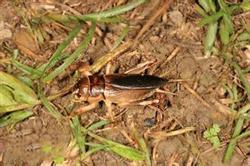
Occurrence, Damage Characteristics and Control Methods of the Peanut Field Cricket
What are the characteristics of the damage caused by the field cricket on peanuts? How to control it? (1) Morphological characteristics: The field cricket is commonly known as the large mole cricket, big-headed cricket, etc. ① Adult: body length about 41 mm, width 13 mm, body yellow, brown, or dark brown. Between the compound eyes there is a "Y"-shaped shallow groove. The pronotum is well developed, with a distinct longitudinal groove, and on both sides there are peach-colored patches of a lighter shade...
-
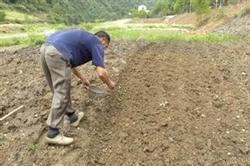
How to apply base fertilizer when sowing peanuts and soybeans
Some farmers apply no fertilizer at all when sowing these crops, and this planting habit is one of the important reasons why peanut and soybean yields remain stagnant. Although legume crops can use the nitrogen-fixing function of rhizobia to absorb nitrogen from the air to supplement nutrition, their nitrogen fixation amount is only enough for 2/3-1/2 of the total absorption, and phosphorus and potassium nutrients...
-
Key Technical Points and Fertilization Methods for Topdressing Peanuts and Soybeans
Carrying out topdressing of peanuts and soybeans at the mid-to-late growth stages according to different conditions is an important measure for raising the overall yield level. I. Peanuts: Peanut topdressing is mainly done at the pegging stage, when the nitrogen-fixing ability of peanut rhizobia has gradually declined, while the plants have entered the peak period of nutrient uptake. Topdressing can be carried out in two situations:...
-
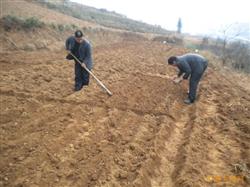
Controlling Pests and Diseases at Peanut Sowing Time Is Highly Effective
Many types of pests and diseases harm peanuts, they occur over a wide range, and the damage is severe. Because the occurrence, distribution, epidemic patterns, damage periods, and living habits of the various pests and diseases all differ, it is quite difficult to time control measures properly in production. Practice has shown that controlling pests and diseases at sowing time can save part of the major losses peanuts suffer from pests and diseases...
-
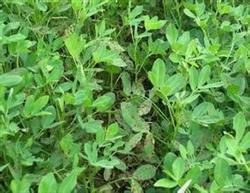
Causes and Control Methods of Peanut Witches' Broom Disease
What causes peanut witches' broom disease? How to prevent and control it? (1) Disease pattern: Peanut witches' broom disease may be caused by a mycoplasma-like organism or a complex infection of mycoplasma-like organisms and viruses. Neither seeds nor soil transmit the disease, but grafting can transmit it. Whether other insects and sap can transmit the virus is still under study. The occurrence of peanut witches' broom disease...
-
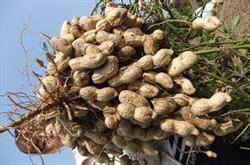
What are the key techniques for high-yield peanut cultivation?
The peanut planting area in China is about 70 million mu, accounting for 1/3 of the national oilseed area, with total output at 48% of the national oilseed total, ranking first among oilseed crops. With the continuous innovation of cultivation techniques and the breeding and promotion of early-maturing varieties, peanut farming systems have also shifted from one crop per year to...
-
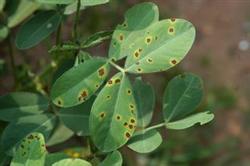
Implement three protection measures in the late growth stage of peanuts to promote increased yield
What is the difference between peanut black spot and peanut brown spot? Peanut black spot and peanut brown spot are the most common leaf diseases of peanuts. Their common feature is the formation of spots on the leaf surface, so they are collectively called leaf spot disease. The main differences are: brown spot occurs earlier, appearing at the early flowering stage, and in the later stage the lesions on the leaves are relatively large, round or irregular...
-
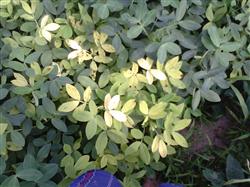
What are the symptoms and control methods of calcium deficiency in peanuts?
Symptoms: When peanuts are deficient in iron, the young leaves at the top show chlorosis, while the older leaves at the bottom and the leaf veins remain green; in cases of severe iron deficiency, the leaf veins lose their green color and then turn yellow, all the new upper leaves turn completely white, brown necrotic spots appear, and they dry up and drop off. For control methods, a 0.1%-0.2% ferrous sulfate solution can be used for foliar spraying...
-
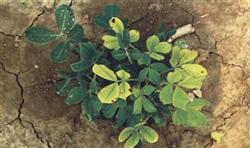
What are the main technical points for fertilizing peanuts?
What are the symptoms when peanuts lack molybdenum? How can it be prevented and controlled? (1) Characteristics of the deficiency: When peanuts lack molybdenum, the plants are short and small, and the leaves are small and thin, appearing pale yellow-green, the same as the typical symptoms of nitrogen deficiency. If the above symptoms appear when nitrogen nutrition is sufficient, the possibility of molybdenum deficiency should be considered. (2) Control measures: ammonium molybdate...
-
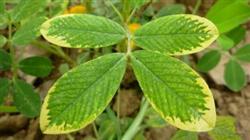
Causes and Control Methods of Peanut Sheath Blight
How does peanut sheath blight occur? How to control it? (1) Disease pattern: Peanut sheath blight is a disease caused by a basidiomycete fungus. Young hyphae are colorless, turning yellow-brown when mature; they are branched, with a distinct constriction at the branch point and a septum not far from the branch. Hyphae on the surface of diseased tissue can form sclerotia, which have a rough surface...
条件筛选