Causes and Control Methods of Peanut Sheath Blight
How does peanut sheath blight occur? How to control it? (1) Disease pattern: Peanut sheath blight is a disease caused by a basidiomycete fungus. Young hyphae are colorless, turning yellow-brown when mature; they are branched, with a distinct constriction at the branch point and a septum not far from the branch. Hyphae on the surface of diseased tissue can form sclerotia, which have a rough surface...
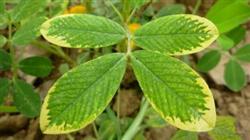
How does peanut sheath blight occur? How to control it?
(1) Disease pattern: Peanut sheath blight is a disease caused by a basidiomycete fungus. Young hyphae are colorless, turning yellow-brown when mature; they are branched, with a distinct constriction at the branch point and a septum not far from the branch. Hyphae on the surface of diseased tissue can form sclerotia; the sclerotia have a rough surface, are initially white, later turning blackish-brown, nearly spherical, flattened spherical or irregular, black both inside and out, convex on the outside and sunken within, appearing honeycomb-like. The pathogen favors high temperature and high humidity, with an optimum development temperature of 28-31. The pathogen overwinters as sclerotia or mycelium in diseased plant residues, or as sclerotia in the soil. Under suitable environmental conditions, the sclerotia germinate and produce hyphae, which invade through natural openings and infect nearby healthy plants through contact. Sclerotia on diseased parts can also spread through wind, rain and flowing water, causing re-infection. High temperature and frequent rain, waterlogging in peanut fields, excessive nitrogen fertilizer, a closed canopy in the field and high humidity are conducive to the occurrence of sheath blight. When the previous crop had severe sheath blight, peanut sheath blight is also severe.
(2) Control methods: 1. Do not plant peanuts in paddy fields with severe sheath blight. Peanut fields should be drained promptly to reduce field humidity; apply nitrogen fertilizer in appropriate amounts and increase phosphorus and potassium fertilizer; plant at a reasonable density. 2. Spray with a 2% validamycin solution diluted 800-1000 times, applying 60-70 kg of spray solution per mu, or use per mu 150-200 g of 5% Tianan emulsion (methylarsonic acid amine), 100 g of 50% carbendazim wettable powder, 100 g of 70% thiophanate-methyl wettable powder, or 100 g of 50% wenkuliling emulsion, diluted with 60-70 kg of water for spraying.