What are the symptoms and control methods of calcium deficiency in peanuts?
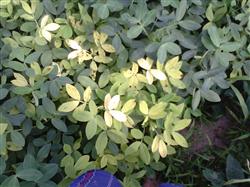
Symptoms: When peanuts are deficient in iron, the young leaves at the top show chlorosis, while the older leaves at the bottom and the leaf veins remain green; in cases of severe iron deficiency, the leaf veins lose their green color and then turn yellow, all the new upper leaves turn completely white, brown necrotic spots appear, and they dry up and drop off. For control methods, a 0.1%-0.2% ferrous sulfate solution can be used for foliar spraying...
 What are the symptoms of calcium deficiency in peanuts? How is it controlled?
(1) Characteristics of calcium deficiency: Calcium deficiency in peanuts causes a certain amount of peanut embryos to turn black, the so-called "black embryo disease," reducing the seed germination rate. In severely calcium-deficient soil, "puffed pods" occur, meaning the pods look large, the pod shells are thick, and the seeds are small. This phenomenon occurs in Tianli. In calcium-deficient plants, the leaves become chlorotic, the petioles split, the plants are prone to lodging, and the root system is damaged.
(2) Control measures: Apply lime and gypsum to plots with severe calcium deficiency; topdressing within the pegging zone at the early flowering stage gives better results, with 15-25 kg per mu being appropriate.