-
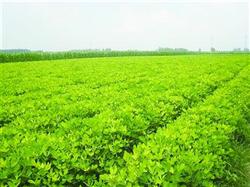
Application Methods of Several Growth Regulators on Peanuts
Applying growth regulators to peanuts has the effects of promoting strong seedling early growth, increasing pod number and weight, and achieving early maturity and high yield. The growth regulators currently used fall mainly into two categories: one is growth promoters containing substances such as micro-fertilizers and hormones; the other is growth inhibitors that control growth and prevent lodging. 1. Growth promoters 1. AB...
-
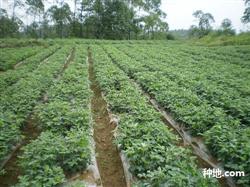
Chemical Weed Control Methods and Technical Key Points for Peanut Fields
How is chemical weed control carried out in peanut fields? Please explain. Peanut is one of the major economic crops, and in the cultivation process, the most labor-intensive and time-consuming task is weeding. The major harmful weeds occurring on peanut land include grass-family weeds such as large crabgrass, green foxtail, Chinese sprangletop, purple nutsedge, goosegrass, and late barnyardgrass; broadleaf weeds include field thistle, feather cockscomb, chickweed, prickly lettuce, small bindweed, shepherd's purse, knotweed, lambsquarters, amaranth, bean and black nightshade, etc.
-
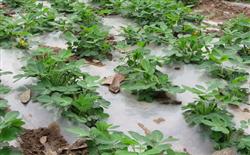
Proper use of chlormequat in peanut cultivation
How is chlormequat used in peanut cultivation? Please give an introduction. Chlormequat is a broad-spectrum plant growth retardant, and its main physiological functions are: 1) inhibiting excessive vegetative growth and cultivating strong seedlings; 2) delaying the senescence of stems and leaves and postponing maturity; 3) inducing flower bud differentiation; 4) controlling apical dominance, reshaping the plant architecture, making the plant compact...
条件筛选