-
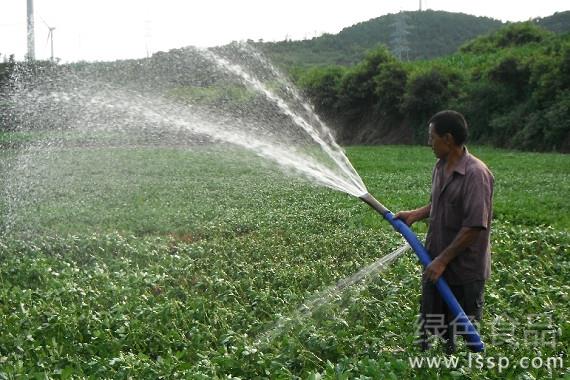
Peanuts need water but also fear it; how do you correctly grasp the principles of water management?
Peanuts need water but also fear it: how to correctly grasp the principles of peanut water management
-
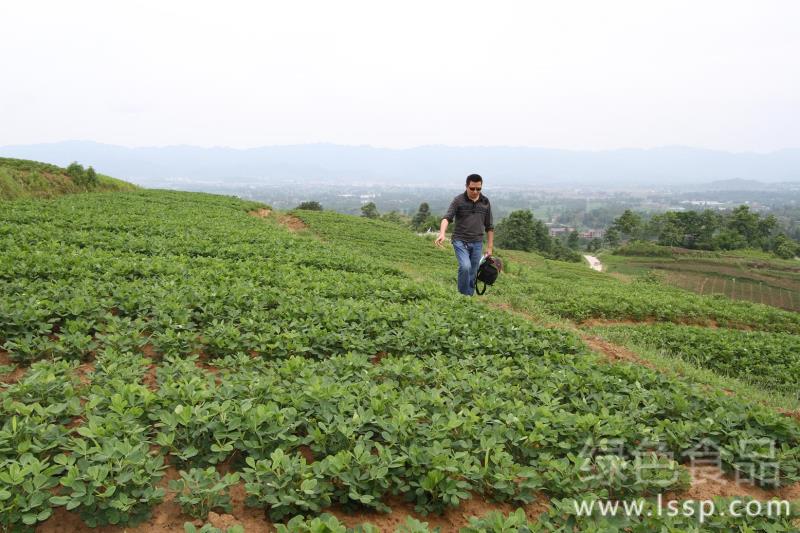
Peanut continuous cropping is highly harmful; getting through four key stages is crucial
Peanut continuous cropping is highly harmful; overcoming four key stages is very important
-
Chemical Weed Control Methods and Technical Key Points for Peanut Fields
How is chemical weed control carried out in peanut fields? Please explain. Peanut is one of the major economic crops, and in the cultivation process, the most labor-intensive and time-consuming task is weeding. The major harmful weeds occurring on peanut land include grass-family weeds such as large crabgrass, green foxtail, Chinese sprangletop, purple nutsedge, goosegrass, and late barnyardgrass; broadleaf weeds include field thistle, feather cockscomb, chickweed, prickly lettuce, small bindweed, shepherd's purse, knotweed, lambsquarters, amaranth, bean and black nightshade, etc.
-
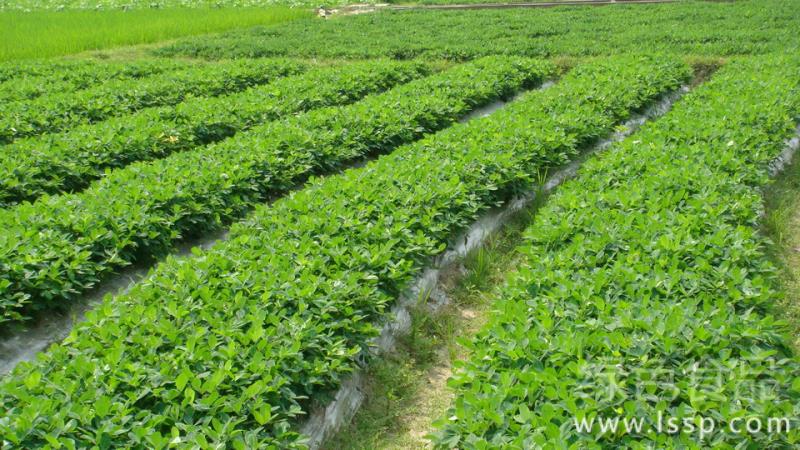
Want high yields from film-mulched peanuts in spring? Pay attention to these five key points
Five key points to note for high yields of film-mulched peanuts in spring
-
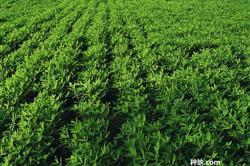
The Correct Method for Spraying Foliar Fertilizer on Peanuts
How should foliar fertilizer be sprayed on peanuts? Please advise. Foliar fertilization of peanuts has the effects of a high fertilizer absorption and utilization rate, saving fertilizer, and significantly increasing yield. When nitrogen fertilizer is applied to the leaves, the absorption and utilization rate by peanut plants reaches more than 55.5%, the number of full pods increases markedly, and the economic coefficient rises significantly; when phosphorus fertilizer is applied to the leaves, the yield can generally be increased by 7%-10%...
-
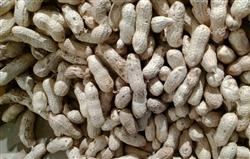
How to choose peanut seeds? Practical selection tips shared
How do you choose peanut seeds? What methods can distinguish good peanut seeds from bad ones? We also ask experienced readers to help explain. The nutritional value of peanuts is so high that even some animal-based foods known as premium nutritional products, such as eggs, milk, and meat, are outmatched by peanuts. Therefore, peanuts are grown in China in Shanxi,...
-
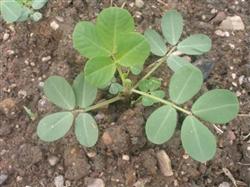
Key Management Points and Precautions for the Peanut Seedling Stage
What should be paid attention to during the peanut seedling stage? We also ask experienced netizens to help explain. The peanut seedling stage is the period from the emergence of the peanut seedling and the appearance of two true leaves to the beginning of flowering and the main stem having 7-8 true leaves. Zhongdiwang has compiled the matters that should be noted during the peanut seedling stage, listed below for netizens...
-
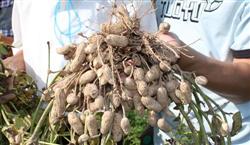
Doing these things well in late-stage peanut management gives you a better guarantee of a high yield
How can peanuts be managed in the late stage to achieve a high yield? Is there a good method that can make it happen? We also ask experienced netizens to help explain. The late growth stage of the peanut plant runs from the appearance of full pods to the maturation and harvest of most pods. During this period, the peanut's vegetative growth gradually declines and stops, the pods gradually fill out and become plump, and the increased pod weight generally accounts for...
-
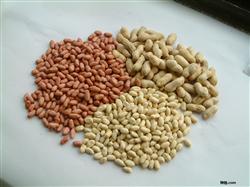
Complete Collection of Peanut Growing Technique Videos and Images
Peanut, originally called groundnut (scientific name: Arachis hypogaea Linn.), belongs to the order Rosales, family Fabaceae, an annual herbaceous plant with erect or prostrate stems 30-80 cm long, wing petals separate from the keel petals, pods 2-5 cm long and 1-1.3 cm wide, inflated, with thick shells, flowering and fruiting period from June to August. It is mainly distributed in Brazil, China...
-

How to prevent empty peanut shells? A few practical methods to teach you
How to prevent empty peanut shells? Are there any good methods? We would also like experienced readers to share their advice. Zhongdi Network has compiled management methods for preventing empty peanut shells, listed below for readers' reference. Method 1: Cultivating and weeding: The growth of the peanut root system and the development of the pods both require the soil to have an appropriate...
条件筛选