Peanut continuous cropping is highly harmful; getting through four key stages is crucial
In main peanut-producing areas, continuous cropping is one of the factors affecting increased peanut yields. Peanut continuous cropping can cause:
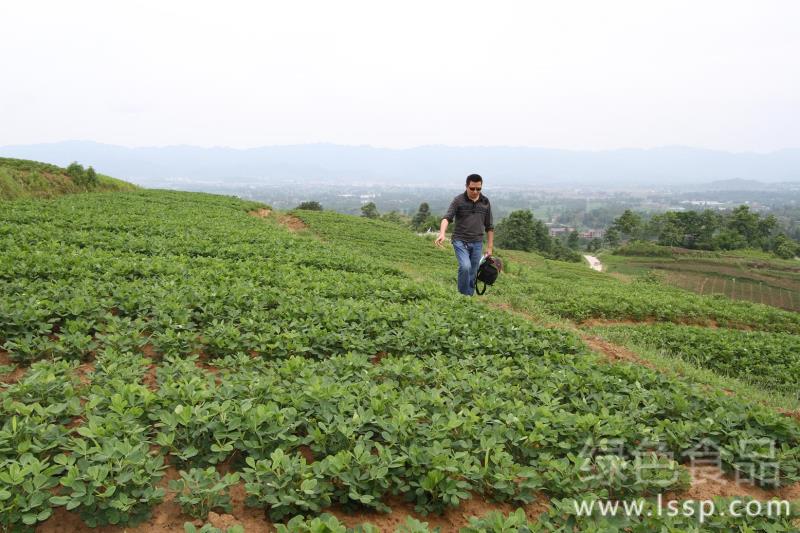
Peanut
1. Low peanut yield and poor quality
Continuous cropping of peanuts leads to a low pod-setting rate and few filled pods. Trials show that after two years of continuous peanut cropping, yield decreases by 8-10%, and after more than three years of continuous cropping, yield decreases by 25-30%.
2. Causing soil nutrient deficiency
Severe peanut roots have large numbers of rhizobia and are not very sensitive to nitrogen. Due to continuous cropping, soil nutrient deficiency cannot meet the nutrients needed for normal peanut growth and development, thus showing increasingly severe nutrient deficiency symptoms. Peanuts planted in new fields generally do not develop nutrient deficiency symptoms.
3. Leading to damage from pests and diseases
Severe peanut bacterial wilt, viral disease, root-knot nematode disease, leaf spot disease, etc. are mostly caused by soil-borne pathogens. The longer the continuous cropping period, the more diseased peanut plant residues accumulate in the soil, and the higher the probability of infection. Peanuts planted in new fields develop mild or no disease.
4. Affecting the peanut's own nutrient absorption
During growth and development, peanut roots continuously secrete organic acids that can dissolve minerals in the soil, but continuous cropping inevitably leads to excessive accumulation of organic acids in the soil, forming a soil environment unfavorable to peanut growth. The peanut root system's ability to absorb nutrients weakens, making plants short and weak in disease resistance.
To overcome peanut continuous cropping, the following four key stages must be strictly controlled:
1. Land preparation stage. Land preparation must be meticulous. Autumn land preparation is essential, with deep plowing to 30 cm, repeated fine harrowing, and ensuring the upper soil is loose and the lower soil is firm, with good permeability. Ridges should be formed in autumn and compacted. The low winter temperatures can kill fungi in the soil that cause peanut stem rot and root rot.
2. Fertilization stage. When cultivating peanuts under continuous cropping, organic fertilizer must be increased. Combined with autumn plowing, apply 4000-5000 kg of high-quality farmyard manure per mu. At sowing, focus on phosphorus and potassium fertilizers, applying 15 kg of diammonium phosphate and 8 kg of potassium sulfate per mu. In early to mid-August, spray peanut leaves twice with 2% potassium dihydrogen phosphate, and at the same time use peanut-specific microbial preparations containing nitrogen-fixing bacteria, phosphate-solubilizing bacteria, potassium-solubilizing bacteria, and other bacteria plus an appropriate amount of medium and trace elements.
3. Variety stage. Strengthen quarantine and strictly prohibit introduction of seeds from diseased areas. Choose disease-resistant, high-yield peanut varieties and replace varieties in a timely manner. Choose clear weather to sun-dry peanuts for 2-3 days before shelling. When shelling peanuts, select first-grade peanut seeds that are large and plump, bright in skin color, high in filled-pod rate, good in uniformity, clear in netted pattern, moderate in size, attractive in appearance, and high in germination vigor and germination rate.
4. Management stage. After emergence, if missing plants or gaps are found in peanuts, pregerminate and replant. After full emergence, use your hands to scrape away the loose soil around the base of peanut seedlings so that the two cotyledons are exposed. About 15 days after the peanut plants turn green, fill the holes back with soil. During the seedling stage, rosette stage, and flowering stage, carry out three rounds of soil turning and weeding. The first intertillage should be shallow, just enough to remove all weeds; the second intertillage should be at the peanut nodulation stage and can be slightly deeper; the third intertillage should be at the flowering stage, to a depth of about 5 cm. That is, follow the principle of "shallow, deep, shallow."