-
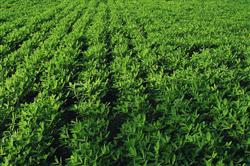
What are effective ways to increase peanut yields?
What methods can increase peanut yields? Here are some methods you can refer to for increasing peanut yields: 1. Clearing the seedlings and hardening them off: After peanuts emerge, scrape away the soil around the base of the seedlings to expose both cotyledons above the ground. This allows the first pair of lateral branches of the peanut to develop early, shortens the internodes of the stem, and achieves strong seedlings with earlier flower bud...
-

Application Methods of Several Growth Regulators on Peanuts
Applying growth regulators to peanuts has the effects of promoting strong seedling early growth, increasing pod number and weight, and achieving early maturity and high yield. The growth regulators currently used fall mainly into two categories: one is growth promoters containing substances such as micro-fertilizers and hormones; the other is growth inhibitors that control growth and prevent lodging. 1. Growth promoters 1. AB...
-
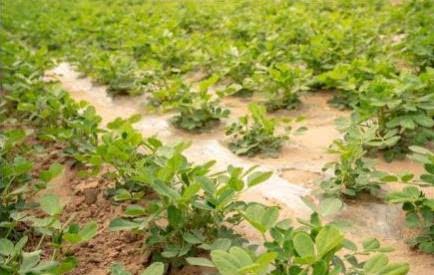
Underground pests pose a major threat to peanuts, so how can you kill the insects while keeping pesticide residue low?
Growers who plant peanuts all know that the most troublesome part of peanut cultivation is the problem of underground pests. If underground pests are not handled well, it is not only easy to cause a reduction in peanut yield but also affects peanut quality. However, in the process of preventing and controlling peanut pests...
-
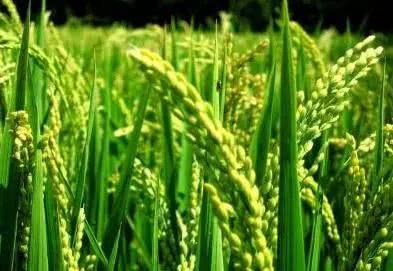
Both corn and peanuts are treated with growth retardants; does rice need it too?
The answer is yes. Growth retardants are antagonists of gibberellin. As a plant growth regulator, they can effectively control excessive vegetative growth, promote reproductive growth, shorten internodes, and produce plants that are short, sturdy, thick, with well-developed root systems and resistance to lodging, as well as...
-
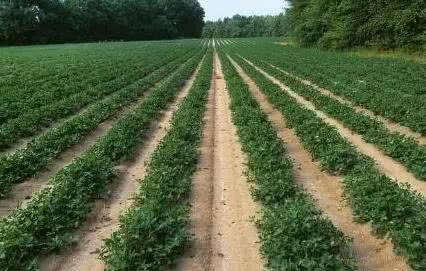
For peanut growth control, you must pick the right time; too early or too late is no good, and doing it in two applications works better.
In recent years, the topic of growth control has become quite popular. Corn, peanuts, soybeans, sweet potatoes and many other crops all depend on growth control, and there is a dazzling array of growth control agents that leave farmers spoiled for choice. However, the use of growth control agents also has its finer points...
-

With good field management of peanuts, a yield of 800 jin per mu is within reach
Peanuts have always been a relatively high-yielding crop, and yields generally vary from plot to plot, but reaching a yield of 800 jin per mu is still very much within reach. Of course, this depends on proper planting management. Here I will share with you...
-
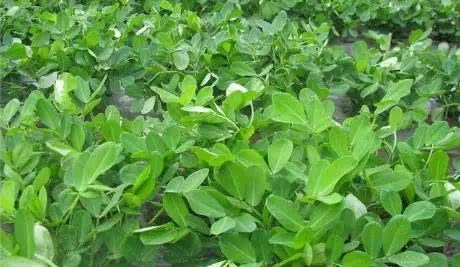
Peanut growth control has many benefits, yet it can easily lead to premature senescence in peanuts
After peanut growth control, plant growth is inhibited to a certain degree, which is often accompanied by the appearance of premature senescence. In fact, from the perspective of plant evolution, this is merely a stress response of the plant, advancing development to complete fruit maturation as early as possible...
-

Symptom Identification and Control Techniques for Peanut Leaf Spot Disease
Symptoms and Control Techniques of Peanut Leaf Spot Disease
-
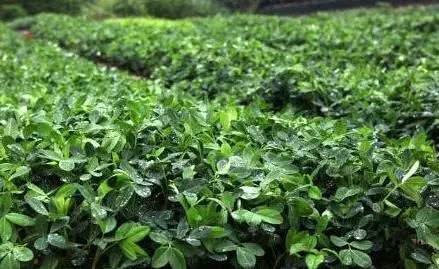
Paclobutrazol is commonly used for growth control in peanuts, but are you really using it correctly?
Paclobutrazol is a plant growth regulator commonly used in agricultural production. Because it is systemic, its efficacy can be absorbed by roots, stems, and leaves, and it regulates crop growth. However, when using paclobutrazol, attention must also be paid to the following...
-
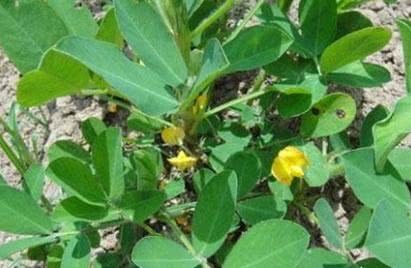
Peanut bacterial wilt is a soil-borne disease and a major cause of peanut yield reduction.
Peanut bacterial wilt is a common disease in peanut cultivation. Once it strikes, it causes peanut plants to wither and die rapidly, and the incidence rate is high, with up to 50% of plants infected by the pathogen, making it a major factor in peanut yield reduction. For the...
条件筛选