How to choose peanut seeds? Practical selection tips shared
How do you choose peanut seeds? What methods can distinguish good peanut seeds from bad ones? We also ask experienced readers to help explain. The nutritional value of peanuts is so high that even some animal-based foods known as premium nutritional products, such as eggs, milk, and meat, are outmatched by peanuts. Therefore, peanuts are grown in China in Shanxi,...
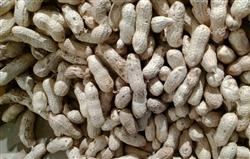 How do you choose peanut seeds? What methods can distinguish good peanut seeds from bad ones? We also ask experienced readers to help explain.
The nutritional value of peanuts is so high that even some animal-based foods known as premium nutritional products, such as eggs, milk, and meat, are outmatched by peanuts. Therefore, peanuts are grown on a large scale in China in Shanxi, Liaoning, Shandong, Hebei, Henan, Jiangsu, Jiangxi, Fujian, Guangdong, Guangxi, Guizhou, Sichuan, and other places. Choosing good peanut seeds is the key to peanut cultivation. Zhongdi Network has compiled methods for selecting peanut seeds, listed below for readers' reference.
1. Selection of peanut varieties:
Peanuts are grown over a wide area in China, and the main varieties planted differ among peanut-growing regions. In the southern peanut-growing regions of China, small-seeded peanuts are mainly grown, while other regions mainly grow large-seeded peanuts.
2. Understand the characteristics of peanut varieties:
Look at variety characteristics to distinguish true from false seeds. Each peanut variety has its own characteristics, such as Yuhua No. 11, whose pods are large and kernels oval with pink seed coats; and Luhua No. 14, whose pods are small and cocoon-shaped, kernels peach-shaped, and seed coats pink and glossy. Therefore, the color and pod characteristics of peanuts can be used to distinguish true from false seeds.
3. Judge the authenticity of peanut seeds by taste:
For example, Yuhua No. 6 peanuts taste fragrant and fine with little residue; Yuhua No. 15 peanuts taste sweet with a slightly coarse texture. Tasting can also be used to determine whether seeds have deteriorated: deteriorated peanuts taste bitter in the middle, while high-quality peanut seeds taste fragrant. Biting with the teeth can also judge whether peanut seeds are dry or moist; dry seeds make a crisp sound when bitten.
4. Judge the moisture content of peanuts:
You can rub the seed coat with your hands to learn the degree of dryness of the seeds. Seeds whose coats rub off easily are dry, while seeds whose coats do not rub off easily are moist. Dry seeds are easy to store, while moist seeds deteriorate easily.
5. Keep peanut seed purchase invoices and contracts:
Ask the seed dealer for a seed invoice. If the purchase quantity is large, you can sign an agreement with the dealer to ensure seed quality.
How to prevent empty pods in peanuts
Peanut cultivation technique video