-
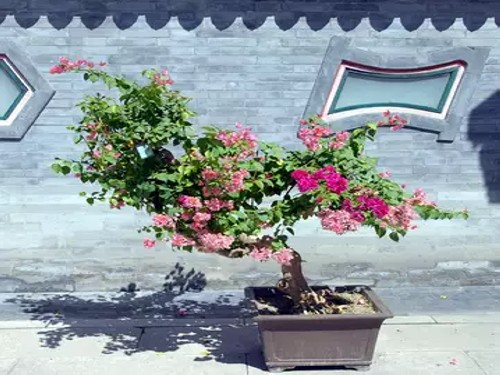
How to shape a crape myrtle bonsai? These methods you need to master
The crape myrtle (Lagerstroemia indica) has been an excellent bonsai tree material from ancient times to the present, and is one of the "Eighteen Scholars" of stump bonsai; it is widely used in the Hui and Chuan schools among the traditional eight major stump bonsai schools. The crape myrtle has the characteristic of exposed roots, and the older the tree, the more twisted and strange its roots become, giving it a vigorous, quaint, elegant and eye-catching effect
-
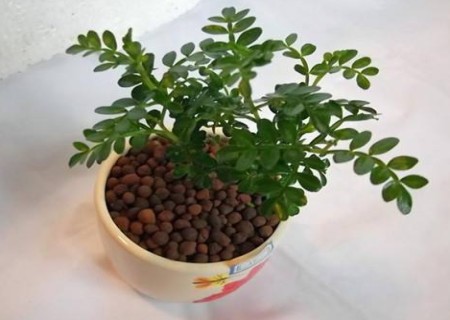
Detailed Guide to Propagating Fragrant Wood (Pistacia weinmannifolia) from Cuttings: Easily Master the Propagation Technique
Cuttings, also known as stem cuttings, are a common propagation method for growing plants. You can cut stems, leaves, roots, buds, etc. from certain plants (called cuttings in horticulture), and insert them into soil, sand, or soak them in water. Once roots develop, they can be planted to become independent new plants.
-
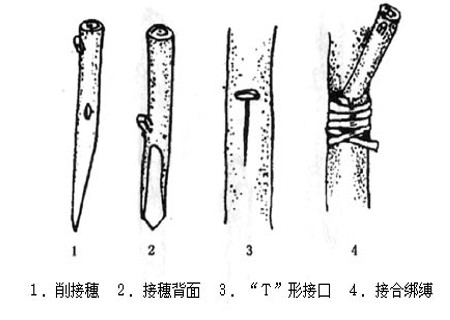
A detailed guide to the side-grafting technique for pear trees: master the key operation points
For grafting pear rootstock, I use T-shaped budding; for thicker suckers, side grafting or cut grafting can be used. For pear seedlings after transplanting and grafting, because the density in the sowing bed is relatively high, growth is often uneven, so it is best to plant out the grafted half-grown seedlings separately before spring growth the following year.
-
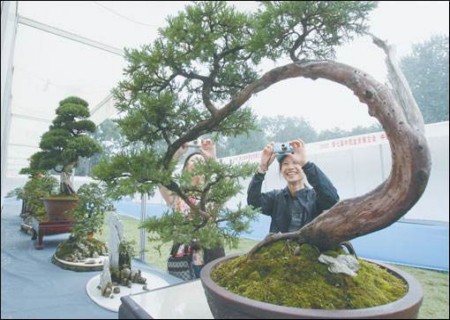
How do you bend and shape a mountain pine bonsai? Master these practical techniques
The mountain pine tree is tall and slender, upright and unyielding, found everywhere across the mountains, and is excellent timber for construction. Its fine qualities are known to all. Therefore, bonsai enthusiasts break with conventional styling and seek out unusual, special and bizarre material in pursuit of innovation. In principle, the styling of mountain pine bonsai takes the display of strength and elegance as its theme
-

How to care for potted flowers in early winter? Master the relationship between flower planting and weather conditions
How to care for potted flowers in early winter
-
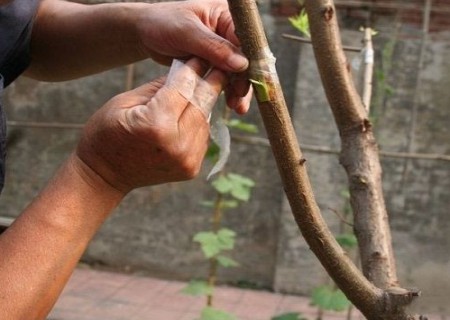
Bonsai branch grafting method illustrated: detailed steps you can master at a glance
Grafting propagation of nursery stock refers to joining the branch or bud of one plant onto another plant so that the two joined parts become one complete plant. The branch or bud that is grafted on is called the scion, and the plant that receives the graft is called the rootstock. Grafting is divided into two main categories: branch grafting and bud grafting. Branch grafting uses a branch as the scion, while bud grafting uses a bud as the scion.
-
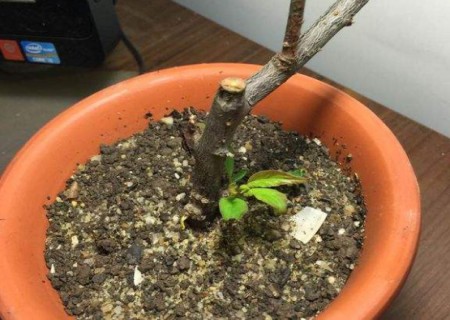
Detailed Guide to Plum Blossom Cutting Propagation Technology, Easily Master the Cutting Method
Plum blossom is a very common flowering tree in China, and many flower enthusiasts now make plum blossoms into bonsai to display at home. Plum blossom bonsai, with its sparse shadows slanting across and its ancient, vigorous air, is full of poetic charm. The plum, blooming alone to herald spring across the land, has been regarded by Chinese people since ancient times as a symbol of good fortune, bringing tidings of spring and auspicious celebration
-
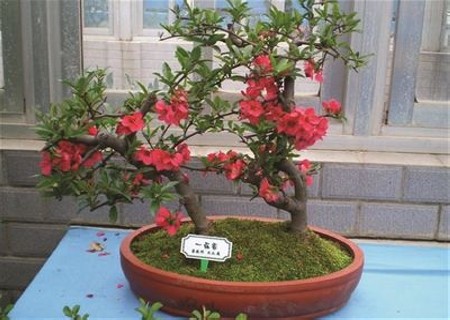
How to prune a crabapple bonsai? Master the right method
There is a kind of letting go called "if you fail to make a decisive cut, you will surely suffer the chaos." Growing flowers has always been "seven parts management, three parts pruning." For ornamental plants, all growth that does not take a "good figure" as its premise is hooliganism. Of course, this is not the old farmer being a looks-obsessed fanatic (well, only 1/2 a looks-obsessed fanatic), but the necessary path to keeping the plant on a healthy growth trend
-
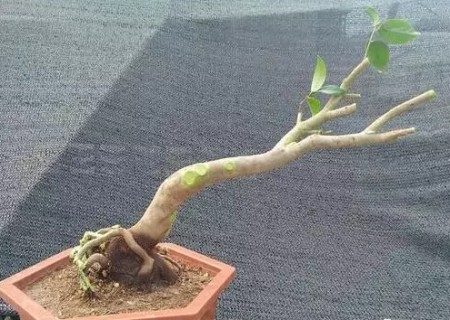
Illustrated guide to the hole-drilling grafting technique for bonsai, detailed steps you can master at a glance
Bonsai often have various defects or shortcomings. Some have decent root flare, but are tall and straight with too few branches. Turning such raw material into a higher-grade bonsai is indeed quite difficult. Actually, long, straight trunks can be bent and shaped by compressing the dragon into a small form, and the lack of branches can be remedied by grafting to add branches.
-
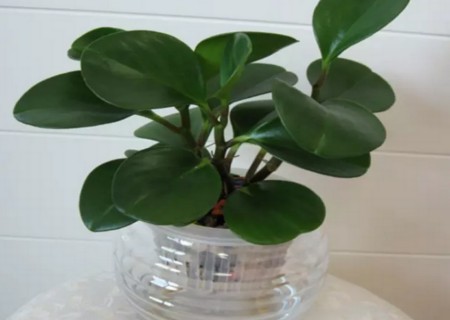
How to grow Peperomia in water? Master the method and it is easy to keep well
Peperomia, also called round-leaf peperomia or peperomia, is a perennial green plant of the Piperaceae family. This plant is small and lovely, with a height under 30 cm. The plant is mainly grown for its very beautiful leaves. Secondly, peperomia is also a good material for making water-grown plants, with thick leaves, evergreen all year round, and 4-5 leaves per plant
条件筛选