How to grow Peperomia in water? Master the method and it is easy to keep well
Peperomia, also called round-leaf peperomia or peperomia, is a perennial green plant of the Piperaceae family. This plant is small and lovely, with a height under 30 cm. The plant is mainly grown for its very beautiful leaves.
Secondly, peperomia is also a good material for making water-grown plants, with thick leaves, evergreen all year round, and 4-5 leaves per plant. It adapts very easily to the water environment, will not rot, and is easy to grow, making it a lovely variety that boosts beginners' confidence. Moreover, water-grown peperomia is fresh and unique, and placed on a desk or table, it has a distinctive charm.
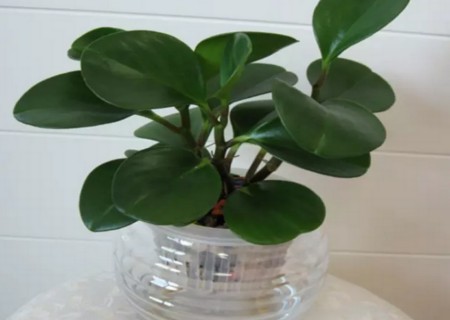
Peperomia can adapt well to the water environment, and the operation is simple. If you like water-grown plants, you might as well use peperomia for your debut. The water-grown peperomia has a fresh and unique shape, and placed in a corner of the desk, it has a distinctive charm. Below, Huahua will share with everyone the water-growing method for peperomia and the later care techniques.
Time for growing peperomia in water:
Peperomia can be grown in water all year round, but April-May in spring is the best.
Steps for growing peperomia in water:
1. Take a soil-grown plant with a good plant shape, carefully rinse off the soil from the roots, and cut off old roots and dead leaves;
2. Soak the tidied peperomia root system in a 0.05% potassium permanganate solution for 10 minutes;
3. Then plant the plant in a container, fix it with a medium, and pour in clean water, with the water level submerging one-half to one-third of the root system.
Key points for growing peperomia in water:
Peperomia is best grown in water in April and May. Take a soil-grown plant with a good plant shape, carefully rinse off the soil from the roots, and remove dead roots and dead leaves. Soak it in a 0.05% concentration potassium permanganate solution for 10 minutes. After cleaning, plant it in a container, fix the root system with a medium, and pour in clean water, with an amount of water sufficient to submerge 1/2-2/3 of the root system. It is worth mentioning that the stems and leaves of peperomia are soft and tender, so it is best not to get them wet.
In the early stage of water growing, change the clean water once every 2-3 days. After one week, new roots will grow. When the new roots grow to more than 5 cm, move the container together with the plant to a place with sufficient scattered light for care, switch to foliage plant nutrient solution for cultivation, and thereafter replace the nutrient solution once every half month.
Care techniques for growing peperomia in water:
1. At the very beginning of water growing in April and May, change the water once a day, clean off the sticky substances produced on the root system, add clean water, and continue for about 10 days. After new fibrous roots grow out, change the water once every 2-3 days.
2. River water, rainwater, and tap water can be used for watering peperomia. Special varieties (such as poinsettia) should be watered with rainwater or settled tap water, and well water is generally not used.
3. Compared with other water-grown plants, peperomia needs fewer nutrients and basically does not need fertilizing. Water that is too nutrient-rich instead easily causes microorganisms in the water to breed, which is not good for plant growth.
4. It does not have high light requirements. Once new fibrous roots grow, later care is relatively simple.
5. When the air is dry, spray more water on the leaf surface. Avoid frost.
6. Peperomia has few pests and diseases. Generally, the diseases that appear are caused by improper care and an unsuitable environment, and it can gradually recover after adjustments. The main pest is red spider mite damage, but it can be prevented by maintaining relatively high air humidity. When it occurs, it can be controlled by wiping the leaves with a wet cloth or spraying a targeted pesticide.