-
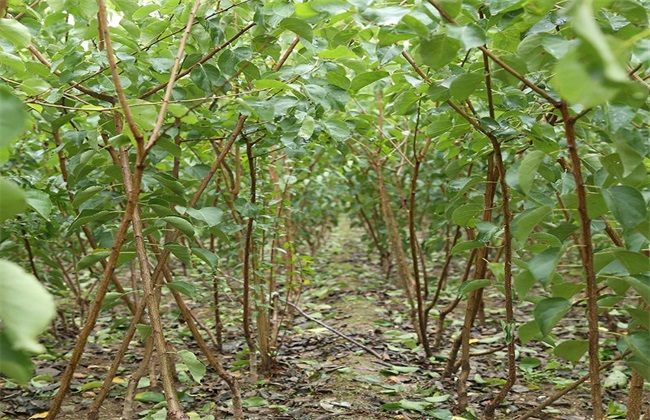
Detailed Guide to Apricot Cultivation Techniques: Master the Key Points of Growing Apricot Trees
Apricot Cultivation Techniques
-

Mastering contamination prevention management and topdressing methods for edible mushroom spawn
Strengthen management measures to reduce contamination of edible mushroom spawn
-
Shrimp feeding timing mastered by AI smart agriculture underwater cameras, 30% fatter
Text by Zhuang Xiaoping, images provided by National Sun Yat-sen University. On the 23rd, the National Sun Yat-sen University research team held an "AI Smart Aquaculture Results Presentation," using underwater cameras to record shrimp activity and automatic feeding equipment, allowing shrimp to gain 3 grams per week, 30% fatter than traditional shrimp pond farming methods. Currently, 2 shrimp
-
-
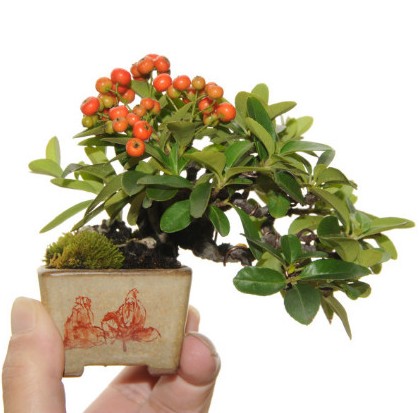
Detailed Guide to Propagating Pyracantha Bonsai from Seed: Master the Key Points to Grow Healthy Seedlings
Pyracantha is distributed across China's Shaanxi, Jiangsu, Zhejiang, Fujian, Hubei, Hunan, Guangxi, Sichuan, Yunnan, Guizhou and other provinces and regions. The genus contains 10 species in total, 7 of which are native to China, and many fine cultivated varieties have been developed abroad. In summer, under the blazing sun, snow-white flowers bloom in profusion. In a courtyard or indoors
-
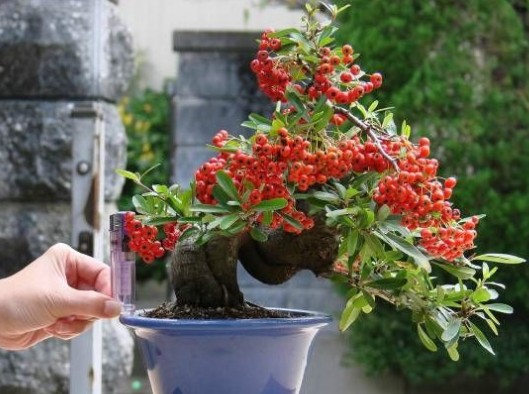
How to water a pyracantha bonsai? These tips you need to master
Pyracantha, also known as firestick fruit, life-saving grain, army-saving grain, and Qinling crabapple, belongs to the Rosaceae family as an evergreen shrub and is a common tree species in the subtropics. Leaves are obovate, bright green, in compound corymbs, flowers white; pome round, ripe fruit bright red, not withering after frost, red fruits hanging on the branches until they fall in the following spring, and it is a newly developed bonsai tree species in recent years
-
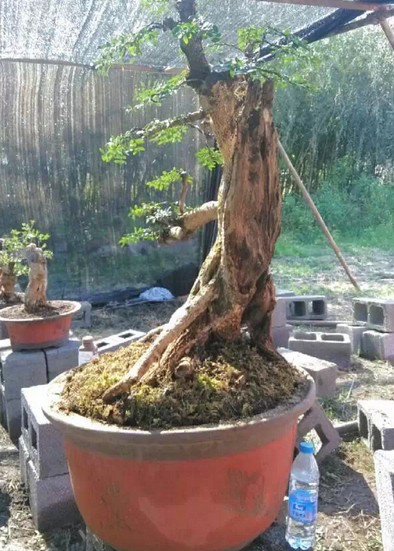
Boxwood bonsai watering techniques: master the right method for more vigorous growth
Boxwood bonsai is relatively cold-hardy and sprouts readily; with coarse wiring and fine pruning, it can be trained into cloud-pad or bun shapes, or worked into a natural tree form. The trunk follows its natural tendency, shaped into a slanting style or a prostrate style. Some boxwood bonsai are accented with ornamental stones, forming a "boxwood cascade." Boxwood is best placed in semi-shade, and in summer special attention must be paid to shading. In winter, except in severely cold regions
-
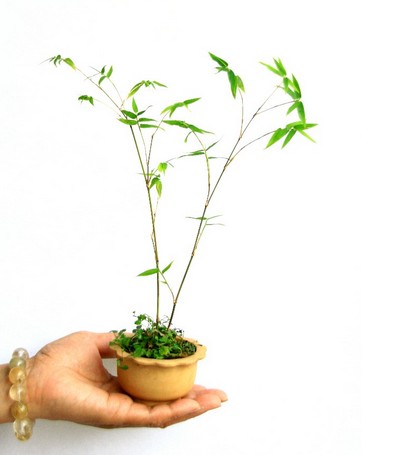
How to prune a bamboo fern bonsai? These tips you need to master
The bamboo fern (Bambusa multiplex) has a beautiful clump form, with slender branches that curve and droop like phoenix tail feathers, giving it extremely high ornamental value. It is an excellent landscaping material in the south, often planted in clumps at building corners, road bends, or beside pergolas. It tolerates pruning and can also be planted as a hedge. Pruning a bamboo fern bonsai is relatively simple
-
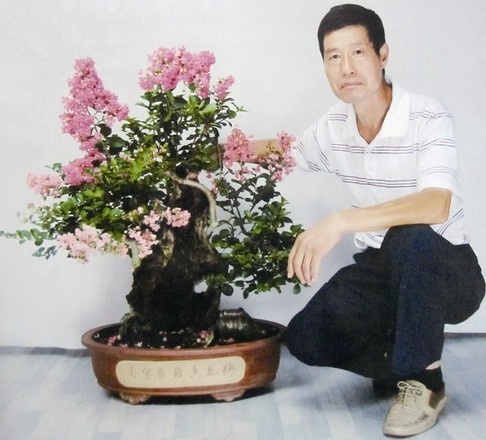
How to fertilize a crape myrtle bonsai? These tips you need to master
After autumn, the crape myrtle should be given a somewhat stronger organic fertilizer as a base fertilizer, but in general, crape myrtle trunks should not be given heavy fertilizer, to prevent the branches from growing excessively. When fertilizing crape myrtle, attention should be paid to the combined application of nitrogen and phosphorus fertilizers. During the growing season, apply a decomposed fertilizer once every half month. After each pruning, apply a nitrogen-based fertilizer.
-
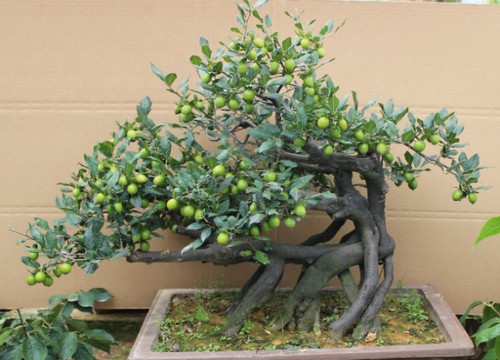
How to fertilize a golden bullet tree (Diospyros cathayensis) bonsai? These techniques you need to master
The golden bullet tree has hard wood. When the bark of a vigorously growing trunk is damaged and the wood is exposed to sunlight and air, the surface layer can blacken, harden, carbonize and not rot. This phenomenon is rarely seen in other tree species, and this property of the golden bullet tree can be used when carving and shaping the trunk. The golden bullet tree tolerates poor soil; with sufficient fertilizer, the leaves are thick, dark green and glossy.
条件筛选