-
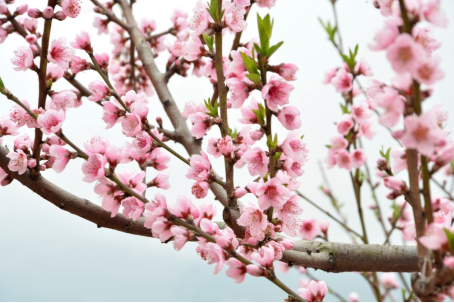
How to care for a peach blossom bonsai? Master these methods for more vigorous blooming
Although peach blossoms have low fertilizer requirements, during the young tree stage, care must be taken to control the amount of nitrogen fertilizer applied, otherwise the sapling will grow wildly. After reaching the full fruiting stage, nitrogen fertilizer should be applied in increased amounts, with the aim of strengthening tree vigor. In addition, peach trees are afraid of waterlogging, so drainage should be timely to prevent root rot from water accumulation. The peach orchard also needs frequent weeding to keep the soil loose.
-
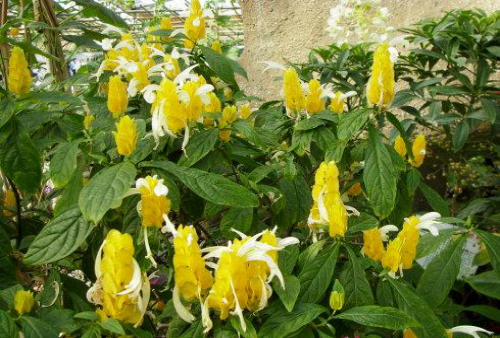
A detailed guide to the propagation methods of the golden shrimp plant, so you can easily master breeding techniques
Cuttings The best time for cuttings is April, when they are most likely to survive. Take young shoots about 8-10 cm long from old branches and insert them in sand. Pay special attention to maintaining temperature and humidity, keeping the temperature above 21°C and humidity at about 80%. In about half a month they will take root. Okay
-
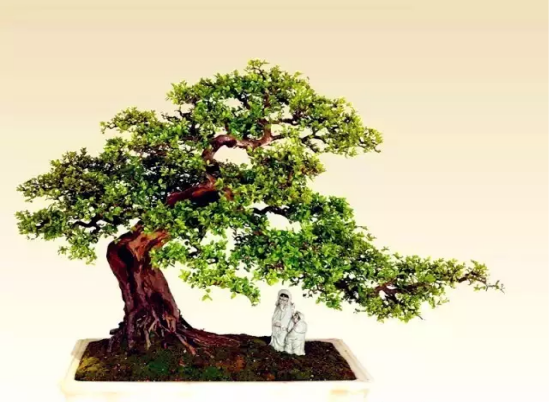
How to care for Chinese sweet plum (Sageretia thea) in winter? Master the care essentials for a safe winter
Watering: Pay special attention to how you water a Sageretia bonsai in winter. The Sageretia bonsai enters dormancy in winter and basically needs no water, so watering lightly or not at all is best. Temperature control: The Sageretia bonsai is naturally not cold-hardy, so keeping it warm is essential. In winter it should be moved indoors for care
-
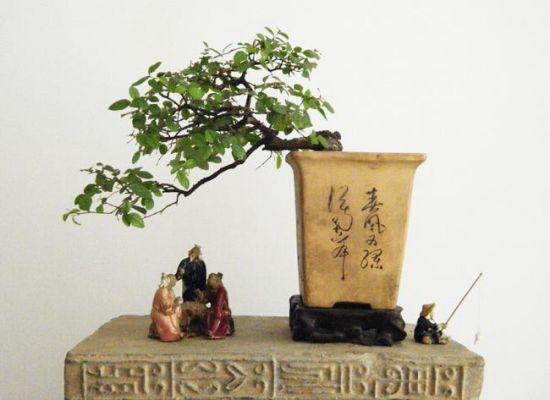
How to grow Sageretia thea (Chinese sweet plum)? Master these five key care tips
Water: There is a bit of finesse to the water used for Sageretia thea care. Natural water such as river water, pond water and rainwater is best. If using tap water, it should be stored for one or two days so the chlorine can evaporate. Water left over from washing clothes, and water containing grease or salt, must never be used. Fertilizing: Sageretia thea should be fertilized in moderation; too much fertilizer makes the branches and leaves grow excessively.
-
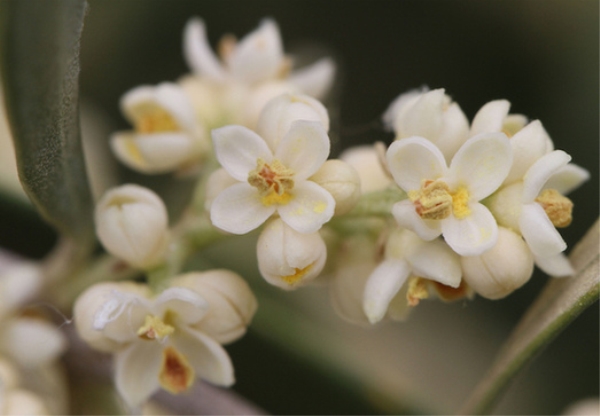
How to grow olive flowers? These methods you need to master
Soil: Olive flowers are suited to growing in fertile, well-drained sandy soil. They are drought-tolerant and highly adaptable to soil. They can grow in slightly alkaline sandy loam and lime-rich clay. Temperature: Olive flowers are relatively cold-hardy and can tolerate low temperatures of -12°C. In winter they can overwinter outdoors.
-
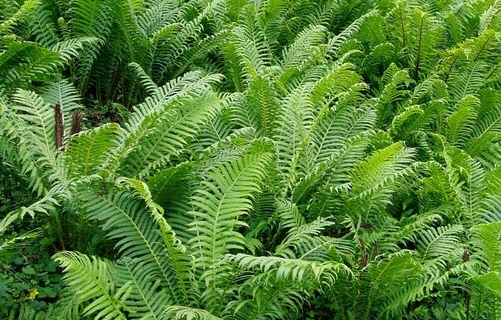
How to grow ostrich fern? Master these cultivation methods
Loosening soil and weeding: After a long period of planting, the soil in the pot generally becomes compacted, aeration deteriorates, weeds grow wildly, and the nutrients in the pot have been exhausted. Therefore, regularly loosen the soil and remove weeds for ostrich fern. After weeding, it is best to cover the pot soil with a layer of straw or sawdust.
-

How to prevent onion bolting? These measures you need to master
Preventive measures for onion bolting
-
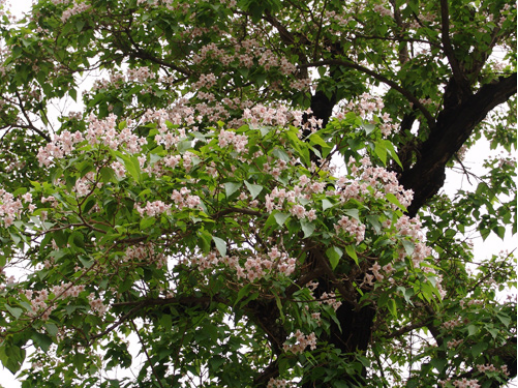
Introduction to Catalpa Propagation Methods: Easily Master Seedling Techniques
Sowing, root burial, cuttings, and grafting; the most commonly used are root burial and grafting. If you are interested in Catalpa propagation methods, you can check out the detailed introduction to Catalpa propagation methods on this site.
-
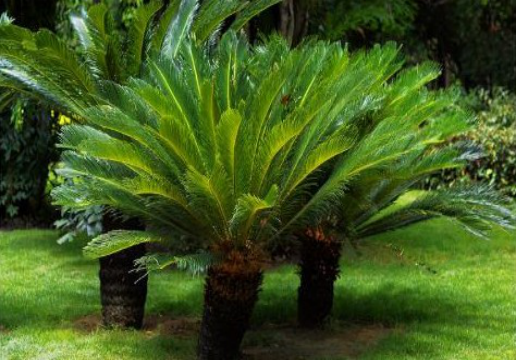
Core elements to master in cycad (sago palm) cultivation
1. Keep plenty of sunlight. Cycads love light, but they should not be placed in direct sunlight, especially in summer when the sun is very strong; give the cycad appropriate shade. 2. Suitable temperature. Cycads do not like weather that is too cold, so when winter temperatures are low, move them indoors to prevent cold damage.
-
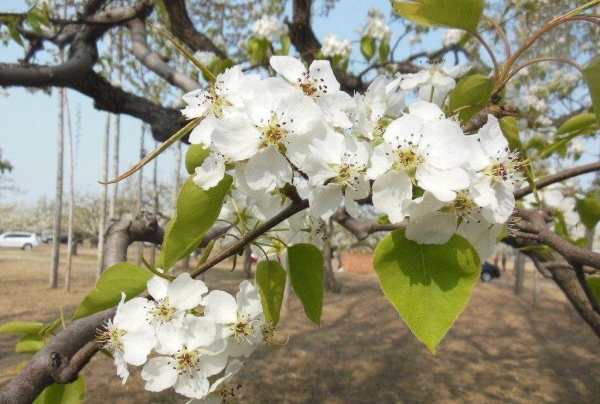
What are the key points for pear tree care? Mastering the management essentials is crucial
During the growth of pear trees, pruning must be carried out in a timely manner, cutting away water sprouts and crossing branches to encourage lower branching, cultivating compact fruiting clusters, and at the same time giving the bonsai a naturally beautiful artistic effect with distinct layers and well-balanced density. Because pear tree leaves are relatively sensitive to water supply, if the water supply is insufficient
条件筛选