-

Tips for Choosing Breeding Rabbits: Master These Points to Select High-Quality Breeding Rabbits
How to Choose Breeding Rabbits
-

How to prevent and treat Newcastle disease in chickens? These methods you need to master
Prevention and treatment methods for Newcastle disease in chickens
-
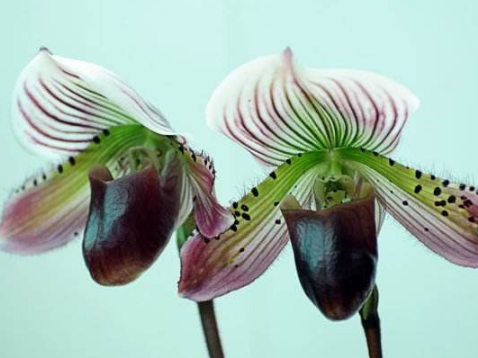
To grow Paphiopedilum well, master these cultivation methods first
1. Soil For potting Paphiopedilum, leaf mold and peat can be used in the mix. When potting, first place a layer of crushed brick and tile granules at the bottom of the pot to maintain good aeration, which benefits the growth of the plant's root system. 2. Temperature Paphiopedilum likes a warm environment, and suitable temperatures differ among varieties
-
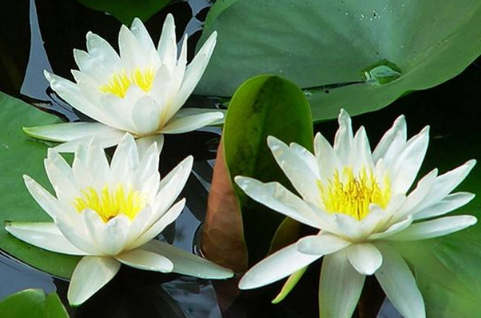
What are the precautions for growing bowl lotus? These key points you need to master
1. Light. During the care of bowl lotus, it cannot be kept indoors for a long time, otherwise it will grow slowly, so it should be placed outdoors to receive light often, and the plant will grow more vigorously. 2. Fertilizing. Bowl lotus likes fertilizer, and plants lacking fertilizer will lack vitality. Before planting, a small amount of decomposed cake fertilizer and other base fertilizer should be added. Although bowl lotus likes fertilizer
-

A detailed guide to planting yellow oleander (Allamanda), easily master the planting techniques
The first method - seed sowing. First, collect the seeds of yellow oleander, but the seeds of yellow oleander do not store well, so it is best to sow them right after collecting. The second method - layering. Choose a branch close to the ground, then cut and wound the branch and press it into the soil
-

How to grow yellow oleander (Allamanda)? Master these care methods and precautions
1. Light: Yellow oleander likes a hot, humid environment with plenty of light, so place it on a balcony or in a spot with direct sunlight. 2. Watering: Yellow oleander is tolerant of wet conditions and likes a humid environment, so water it frequently during its growing season, but reduce watering in winter.
-
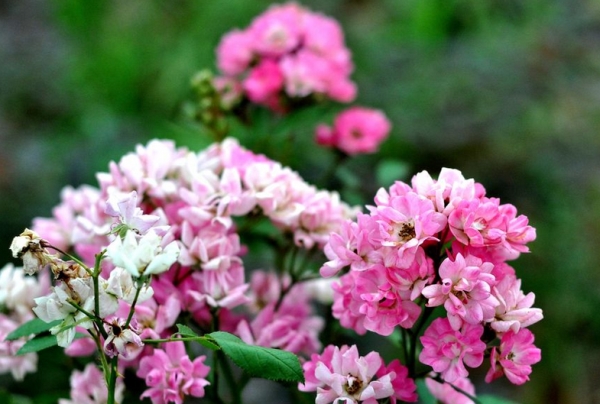
How to propagate Rosa rubus? Master the common methods in one article
Rosa rubus can be propagated by layering or cuttings. Note that the spacing between planted specimens should be no less than 2 m. From early spring budding until flowering, water appropriately 3-4 times according to weather conditions, water frequently, and keep the soil moist. Insufficient light or excessive drought will lead to a reduction in the number of Rosa rubus flowers
-
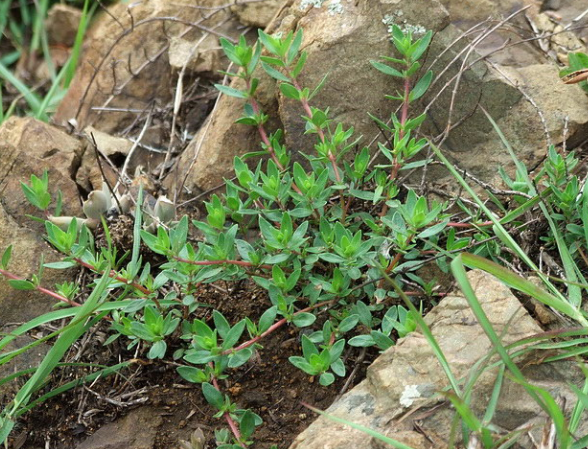
A detailed guide to thyme propagation methods, easy for beginners to master at a glance
Sowing Sowing is generally carried out in March-April. Thyme seeds are tiny, so the seedling bed must be well prepared; the soil should be fine and level. After watering, scatter the seeds, then cover the surface with a layer of fine soil, and then build a small arched frame covered with plastic film to keep warmth and moisture. Seedlings generally emerge after 10-12 days
-

How to make a firethorn bonsai? Master these key production points
In the south, use collected stumps; in the north, use the cutting method. 1. Collecting stumps: First, do the pre-digging preparation work, preparing pruning shears, a hand saw, a knife, a small iron shovel, large and small plastic bags or other packaging bags. Choose species with beautiful tree posture, fine branches and leaves, strong sprouting ability and tolerance for pruning, easy potting and a relatively long lifespan
-
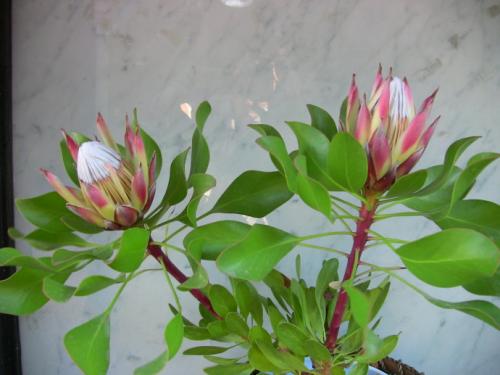
How to grow Protea? These care measures you need to master
Measure one - soil selection. The planting soil for Protea needs to be loose, well-draining sandy soil, which is beneficial to the growth of Protea. Measure two - light. Protea likes an environment with plenty of light, so make sure Protea gets sufficient light; it is generally placed on balconies and in ventilated, sunny spots.
条件筛选