-

What Kind of Fish Is the Brook Trout? A Guide to Its Characteristics and Farming
Morphological characteristics: The brook trout, also known as the American brook trout, is brightly colored and the smallest in size among all salmonid fish, generally weighing no more than 2 kg (the highest record is 8 kg). The color range of the brook trout usually varies from olive green to dark brown. Its back has many olive-colored worm-like markings, its sides have olive-colored round spots, and the lower part of both sides of the body also has some red dots, and each red dot is set within a blue circle, making it very beautiful. It is the most beautifully colored of all salmonid fish
-
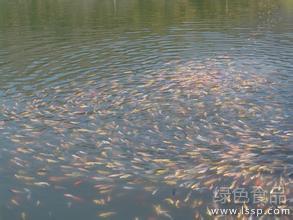
What should be noted when cultivating fish fingerlings in summer? Good-quality fingerlings are the foundation of successful fish farming
Good-quality fingerlings are the foundation of successful fish farming: precautions for cultivating fish fingerlings in summer
-
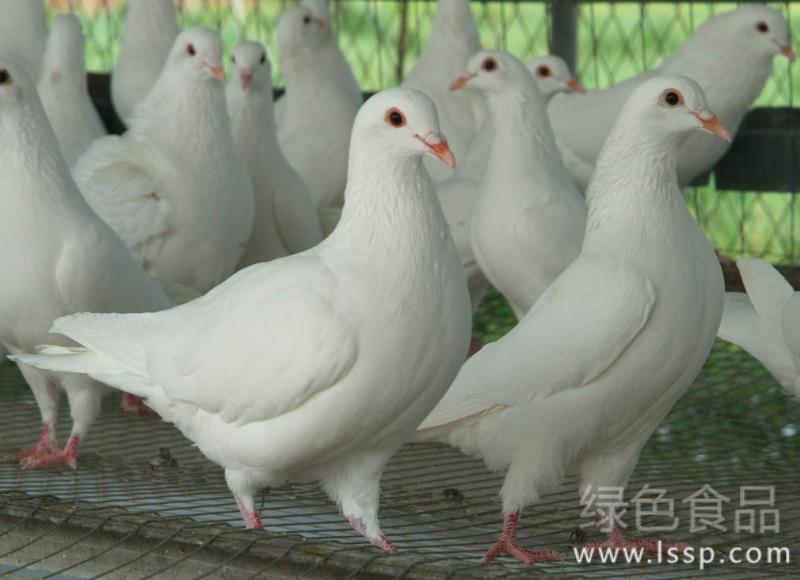
Meat pigeon farming has a long cycle; four synchronizations help you improve farming efficiency
Meat pigeon farming has a long cycle; "four synchronizations" improve meat pigeon farming efficiency
-
Special Topic on Sandworm Farming Techniques: A Complete Analysis of Scientific Methods and Practical Tips
Overview of Sandworms The sandworm (Nereid), English name - Clamworm, belongs to the phylum Annelida, class Polychaeta, and is commonly known as sea worm, sea maggot, sea centipede, and sea leech. Those harvested and farmed are mostly large species of the genera Perinereis Kinberg and Neanthes Kinberg. They are worm-shaped, with larger individuals reaching more than 10 cm in body length, and some species reaching more than 20 cm. The cross-section is round or slightly flattened, with many body segments. The body is divided into head
-
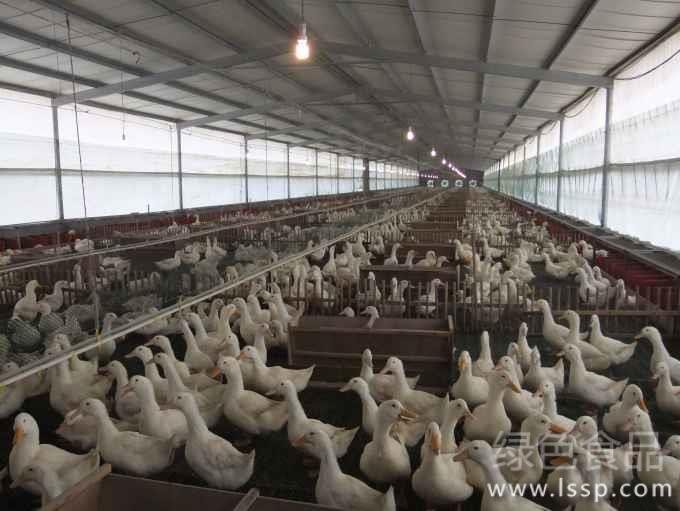
Raising Ducks on Greenhouse Frames: Fewer Diseases, Higher Profits, and a Detailed Guide to the Farming Method
Raising Ducks on Frames in Greenhouses: Fewer Diseases, Higher Profits - How to Raise Ducks on Greenhouse Frames
-
Mixed farming of turtles and earthworms in the same pond yields high economic returns
Under micro-flowing water conditions, amphibious turtles and aquatic earthworms are co-cultured in one pond, with the aquatic earthworms serving as the main feed or supplementary feed for the turtles. This can make the turtles strong and healthy, grow faster, shorten the breeding cycle, reduce feeding costs, and more than double economic returns. Moreover, throughout the entire rearing process, contamination of the product by hormone drugs is avoided, meeting the basic requirements for pollution-free food and making it more popular with consumers. The main technical points are introduced as follows: 1. Pond construction: choose a site with abundant water sources and good water quality
-
Introduction to the Breed Characteristics and Farming Techniques of Qingyuan Partridge Chicken
Qingyuan Partridge Chicken, commonly known as Qingyuan Chicken, gets its name because the back feathers of the hen are dotted with countless sesame-like spots. It is a famous small-sized high-quality meat chicken breed in our province, characterized by three yellows, two fines, and one partridge (namely yellow feet, yellow beak, yellow skin; fine head, fine bones; partridge-colored feathers). It has long been renowned in the markets of the province, Hong Kong, China and Macao, China for its golden-yellow skin, tender and smooth meat, crisp skin, soft bones, delicious fresh flavor, and unique taste. Qingyuan Partridge Chicken is of exceptional quality, versatile in use, and not limited to a single cooking method, and has been called the civil-and-martial chicken by famous chefs. Qingyuan Partridge Chicken production volume
-
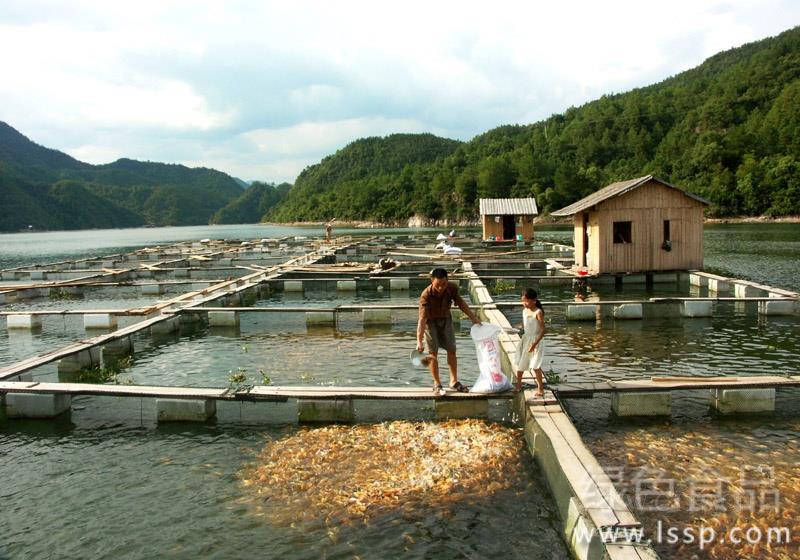
Cage fish farming in the dog days: humid and muggy conditions make skin rot likely, how to prevent it?
In the dog days, humid and muggy weather makes fish skin prone to rotting; how to prevent skin rot in cage fish farming
-
Common pests and predators in soft-shelled turtle farming and their control methods
The main predators of soft-shelled turtles include rats, snakes, birds, ants, mosquitoes, etc. They mainly harm turtle eggs and juvenile turtles under 1 year of age; turtles over 1 year old with strong constitutions are rarely harmed. Among them, rats cause the greatest harm to turtle eggs. In the dead of night, which is the good time for turtles to lay eggs, rats also come out of their holes and move frequently around the egg-laying sites. On one hand, they disturb the normal egg-laying of turtles; on the other hand, rats dig holes all over the sand bed, causing the turtle eggs to vibrate and leading to embryo death. Juvenile and young turtles are also easily surrounded and
-
Analysis of the Current State of Snakehead Farming and Interpretation of Its Future Development Prospects
People customarily refer to fish of the family Channidae collectively as snakehead, blackfish, caiyu, shengyu, and so on. The snakehead (Channa argus) is the most widely distributed and highest-yielding species among the Channidae. As market demand grows, the snakehead may become one of the most promising aquaculture species in China in the early 21st century. China has a total of 7 species of Channidae, namely the snakehead (Channa argus), the spotted snakehead (Channa maculata), the dwarf snakehead (Channa asiatica), the broad-headed snakehead (Channa gachua), the striated snakehead (Channa striata), the slender snakehead (Channa limbata) and the elongated snakehead (Channa elongata). Among them, only the snakehead is a widespread species, distributed across all the major river systems of the country and also the highest in yield, while the spotted snakehead, the dwarf snakehead and the broad-headed snakehead are distributed only in South
条件筛选