-

Key Technical Points for Disease Prevention and Control in Pollution-Free Fish Farming
Symbiosis of plants and animals: When aquatic plants and fish live together in the same pond, the fish rarely get sick. The aquatic plants planted in the fish pond are rice or lotus roots, arranged in an east-west direction, with wide row spacing (greater than 33 cm), occupying no more than 50% of the total water area so that the lighting effect is good. The water depth depends on the water tolerance of the aquatic plants; for rice it is generally within 30 cm, and for lotus roots it can generally reach more than 50 cm. The farmed fish can be conventional species or famous, special and improved new varieties. The farming method can be seedling breeding or adult fish farming. Because residual bait, fish feces and so on are deposited
-
How to use medication for chicken respiratory diseases in winter and spring? Farming experience sharing
There are many causes of chicken respiratory diseases, which can be broadly divided into non-infectious causes and infectious causes. Every year starting from Cold Dew, the temperature difference between day and night increases, and most farmers reduce ventilation time to keep warm. Coupled with factors such as unreasonable chicken coop design and unreasonable vaccine immunization, respiratory diseases have long plagued the majority of farmers. Analysis of disease causes: Feeding management - poor ventilation in chicken coops. The concentration of harmful gases such as carbon dioxide exhaled by chickens, ammonia and hydrogen sulfide produced by feces, and carbon monoxide produced by incomplete coal combustion rises, while oxygen concentration decreases. Chickens kept in such an environment for a long time will suffer damage to their respiratory systems. Ammonia and hydrogen sulfide gases can cause inflammation of the conjunctiva and tracheal mucosa of chickens, making it easy for pathogens to invade the respiratory system and cause disease; carbon monoxide can cause poisoning in chickens; dust caused by dry litter carries large amounts of pathogenic bacteria such as E. coli, and when the concentration is high or the body's resistance decreases, it is easy to cause colibacillosis; if moldy litter is used, large amounts of mold spores are dispersed in the air, and after being inhaled by chickens, they cause aspergillosis in chickens. Environmental factors such as excessive stocking density in chicken coops and ambient temperatures that are too high or too low can all interact with infectious respiratory pathogens, aggravating the symptoms of respiratory diseases.
-
Detailed Explanation of the Living Habits and Farming Techniques of Yellow Catfish
1. Living habits. The yellow catfish, commonly known as the yellow bone fish. It is a bottom-dwelling freshwater fish; during the day it prefers to stay on the bottom, where it is not very active, and at night it swims to the middle and upper layers of the water to feed. Farming yellow catfish requires clear water with high dissolved oxygen, and the suitable temperature is 0-38°C. The yellow catfish is a gentle carnivorous fish that likes to eat small fish, small shrimp, snail and mussel meat, and artificial compound feed. 2. Fry rearing. The stocking rate per mu (1 mu = 667 sq m) is 100,000-120,000 fry; they can be stocked in fertilized pond water to grow natural food
-
Strengthen pig drinking water management to effectively improve pig farming benefits
Strengthen pig drinking water management, supply sufficient drinking water according to the physiological characteristics of pigs, and meet the water needs of growth and development, especially for fattening pigs, water management should be strengthened even more. The specific methods are: 1. Set up drinking troughs. In order to meet the drinking water needs of pigs and avoid all the disadvantages caused by insufficient drinking water, pig farmers should give pigs drinking water at least 4 to 5 times a day. It is best to set up dedicated drinking troughs in the pig house or activity yard so that pigs can drink freely and meet the water needs of pig growth and development. 2. According to the physiological characteristics of pigs
-
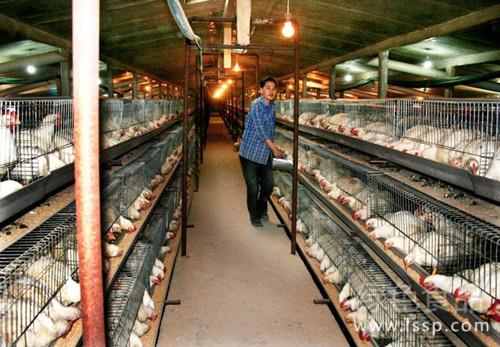
How to prevent and control broken eggs in caged broiler breeders? Reduce hatching egg breakage and protect poultry farming profits
Hatching egg breakage affects poultry farming profits: how to prevent and control broken eggs in caged broiler breeders
-
Detailed Explanation of the Soft-shelled Turtle-Rice Rotation Ecological Farming Model
Generally, after 2 to 3 years of raising soft-shelled turtles, one season of rice is planted. In mid-May, juvenile soft-shelled turtles are stocked, with a size of about 180 g body weight and a stocking density of 500 to 1000 turtles per mu. They are fed soft-shelled turtle compound feed together with live fish, and are caught before the end of July the following year. After catching the turtles, late rice is planted from late July to early August. During the rearing process, aside from using quicklime and other drugs to clear and disinfect the pond, no antibiotics, chlorine preparations, or other chemical drugs are used. For disease prevention, Chinese herbal medicines such as Banlangen (Isatis root) are mostly used. Regarding rice cultivation techniques,
-
Detailed Explanation of the Experimental Methods for Farming Milkfish in Cement Ponds
1 Materials and Methods 1.1 Source of Experimental Fish On May 12, 2001, milkfish fingerlings were shipped from Indonesia, transited through Malaysia, and arrived at the experimental site at 5 PM on the 14th. 3000 experimental fry were transported in 6 bags and 3 boxes using oxygenated live-water bags. Upon arrival, only 1380 survived, a survival rate of just 46%. The fry placed in the nursery pond died successively on the second and third days, leaving only just over 500 alive. The cause was determined to be prolonged transport time leading to death from carbon dioxide poisoning. 1.
-
Detailed Explanation of Practical Technical Points for Marble Goby Farming
The marble goby, scientifically named Oxyeleotris marmorata or Bostrychus sinensis, is a warm-water economic fish mainly produced in Cambodia, Thailand, Vietnam and other countries, commonly known as marble goby in Guangdong and South China. The maximum body length is 60cm, weighing up to 5--6kg. A tail weight of 0.3kg reaches commercial specification. The Thai marble goby belongs to the suborder Gobioidei, a carnivorous, bottom-dwelling, cave-dwelling fish that fears light and often hides in rock crevices and caves. The color of its body surface changes with the surrounding water quality and environment. Under natural conditions, its main food is small fish and small shrimp. The farming water temperature range is 15--33°C, suitable
-
Prevention and Treatment Methods for Fish Louse Disease in Ayu Farming
Pathogen The pathogen is the fish louse. Symptoms The fish louse parasitizes the body surface and gills of ayu, sucking the blood of the ayu and causing the fish to gradually become emaciated. When feeding, the fish louse pierces the fish's skin with its mouth spines and mandibles, creating many wounds that then become infected with microorganisms, causing death. Prevention and treatment ① Before stocking, the fish pond is cleared with quicklime while still holding water, killing adult lice, larvae and egg masses in the water. ② Bathe the fish in a 30 ppm formalin dilution for 12 hours, for 3 consecutive days. ③ Use trichlorfon 0.
-
Winter pond fish farming has many benefits, and winter is the right time to farm
Guangdong Province is located in the tropical and subtropical zones, with abundant water and heat resources. Taking the Guangzhou area as an example, the annual average temperature is above 23°C, and even in the coldest month, January, the average temperature still reaches around 13°C. This natural advantage is very favorable for carrying out "winter farming" of pond fish. Practice in various places has proven that "winter farming" of pond fish has many benefits: First, when the weather is cold and the water temperature is lower, the organic matter and fertilizer in the pond decompose slowly, the pond water is fresh, and oxygen is sufficient, which is conducive to rapid growth and easy fattening of pond fish; Second, because the weather is colder, bacteria and parasites in the pond are not easy to reproduce and grow, so pond fish
条件筛选