What should be noted when cultivating fish fingerlings in summer? Good-quality fingerlings are the foundation of successful fish farming
Summer is a critical period for cultivating fish fingerlings. Good fingerling cultivation measures can promote growth, strengthen physique, improve disease resistance, provide robust and high-quality fingerlings for adult fish farming, and achieve increased production, income, and efficiency.
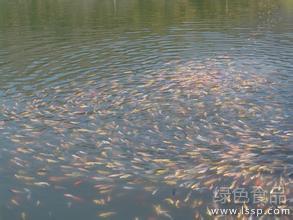
Fish fingerlings
I. Regulate the water environment.As the saying goes, “To raise fish, first raise the water; when the water is good, the fry are strong.” In ponds used for long-term fingerling cultivation, silt accumulates, water quality gradually ages and deteriorates, dissolved oxygen decreases, feed organisms decline, and pathogens increase, which is unfavorable for the growth and development of fish fingerlings. Therefore, the growth environment for fingerlings must be improved. First, frequently add new water and discharge old water; each time add 30cm of fresh water and discharge 20—30cm of old water to keep the water body stable. Second, appropriately increase water fertility; generally every 7 days apply 200 kg/mu of fermented manure water; or apply fertilizer once per mu of fish pond and add new water once to increase water nutrients and stabilize plankton, with transparency of about 30cm. Third, disinfect regularly; every half month, use 15 grams of quicklime per cubic meter, which can regulate pH, release nutrients, and improve water quality, or 1 gram of bleaching powder, which can kill bacteria and viruses, dissolved in water and splashed, alternating the two to prevent and treat fish diseases.
II. Adjust fingerling size.Fingerlings of different sizes should be raised in separate ponds, and different species of fingerlings should be reasonably matched. When mainly cultivating silver carp and bighead carp fingerlings, 20%—30% grass carp fingerlings should also be included, with a ratio of silver carp to bighead carp fingerlings of 3—4:1. If mainly raising bottom-layer species such as tilapia, common carp, mud carp, crucian carp, and white pomfret, then 80% should be bottom-layer fingerlings and 20% should be silver carp and bighead carp fingerlings. Emphasis is placed on stocking silver carp and bighead carp fingerlings that can filter-feed excess plankton, which can reasonably regulate water quality, reduce diseases, and prevent eutrophication of pond water. Fingerling stocking density should also be determined according to pond conditions (whether water source irrigation and drainage are convenient), area size, water depth, fingerling size, feed supply, and other conditions. The general practice is: where water depth is above 1.5 meters, about 5,000 fingerlings can be raised per mu; if they are tilapia, common carp, or crucian carp fingerlings, 6,000 can be stocked per mu.
III. Strengthen water quality regulation.Summer weather is changeable and water temperature is high, so deep water can be added to prevent the water temperature from becoming too high. Second, new water should be added and old water discharged, changing the water once every 7 days to keep the water quality fresh. In short, water quality regulation should be flexibly controlled according to the condition of the pond water. Keep it fertile, lively, tender, and refreshing.
IV. Pay attention to reasonable nutrition.In summer, supplement fresh feed for grass carp, blunt snout bream, and others, such as duckweed, azolla, green grass, and green vegetable leaves; for black carp, add more crushed snail and clam meat; for silver carp and bighead carp, in addition to green feed, appropriately feed crushed wheat bran, corn bran, soybean powder, and so on. Feeding should be timed, at fixed locations, with fixed quality, and in fixed amounts, so that it is neither wasted nor leaves the fish school full and fattened, ensuring that the fingerlings reach a relatively large size. The daily feed amount should appropriately account for 3% of the pond's fingerling quantity. The four major Chinese carps and tropical and subtropical fish such as mud carp, tilapia, white pomfret, and catfish should be fed at 9—10 a.m. and 15—16 p.m. Before the fingerlings reach a certain size, do not stop feeding too early, so as not to affect growth.