-

-
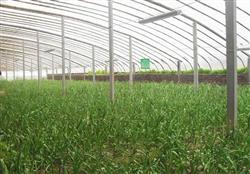
Cultivation Techniques for Intercropping Corn with Cucumber Followed by Garlic
Garlic is an essential seasoning in daily life; it is indispensable for cooking and stir-frying. In recent years, people have discovered many pharmacological effects of garlic, finding that it can prevent and treat a variety of diseases. American scientists have listed garlic as a basic health food. At present, garlic has become a worldwide vegetable, especially in...
-
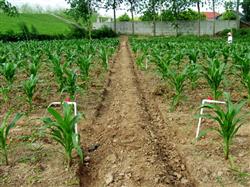
Detailed Explanation of Ginger and Corn Intercropping Cultivation Techniques
Ginger is a shade-tolerant crop, and high temperatures and strong light are unfavorable for its growth. Intercropping tall-stalk crops in a ginger field can make full use of the three-dimensional space of tall and short crops, provide shade for ginger, improve light energy utilization, and also improve land utilization, increasing yield per unit area. It does not affect the yield and quality of ginger, and can also...
-
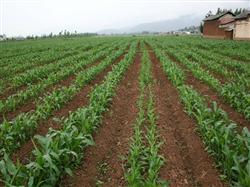
Spring-Sown Corn Planting Management Measures and Key Points
1. Suit measures to local conditions and select improved varieties. In plain and hilly areas, promote Yedan 13 and Xiyu No. 3, paired with Huayu No. 4, Zhongdan 32, Chenghai No. 1, and Yuanzheng 808; for interplanting in cotton fields, select the short-stalked, short-growth-period Yedan 22, Yedan 51, and 9362; in suburban areas, focus on fresh-eating types, and plant Zhongnuo 1...
-
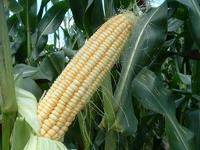
Detailed Explanation of Key Points in High-Oil Corn Cultivation Techniques
The application effects of phosphorus and potassium fertilizers vary greatly depending on the available soil content. Increasing the application of phosphorus and potassium is beneficial for strong seedling early development, sturdy plants with large ears, improving the grain-to-leaf ratio, and increasing grain number and grain weight, and is an important condition for improving population quality. However, after phosphorus and potassium fertilizers are applied, most are absorbed and fixed by the soil, resulting in low absorption and utilization rates in the current season, and in the soil...
-
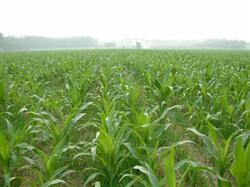
Key Technical Points for Summer Field Management of Spring Corn
At present, spring corn in the Qianxi area has entered the jointing stage, which is the peak period of water and fertilizer demand for corn and also a critical period for yield formation, so summer management of corn should be strengthened. 1. Timely topdressing Corn topdressing should be mainly nitrogen fertilizer, preferably applied in two split applications, namely 20 kg of urea per mu at the large trumpet stage...
-
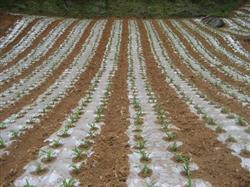
Key points of current management measures for spring-sown corn
1. Adapt to local conditions and select improved varieties. In plain and hilly areas, promote Yedan 13 and Xiyu No. 3, paired with Huayu No. 4, Zhongdan 32, Chenghai No. 1, and Yuanzheng 808; for intercropping in cotton fields, select short-stalked, short-growth-period varieties such as Yedan 22, Yedan 51, and 9362; in suburban areas, where fresh eating is the main purpose, plant Zhongnuo 1...
-
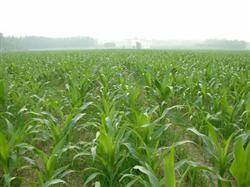
Why should weeds in summer corn fields be cleared as early as possible?
Weeds in corn fields grow fast and concentrated. When soil moisture is good, about 10 days after sowing, weed emergence reaches its peak, and after 15 days the emergence rate reaches about 90%; if there is rainfall or watering, a small emergence peak appears in 4 days. When subjected to weed damage at the seedling stage, plants appear short, with thin stalks and yellow leaves, which also aggravates the occurrence and damage of diseases and pests in corn fields,...
-
Key Cultivation Techniques for Autumn Sweet Corn Sowing Period
1. Characteristics and Nutritional Value of High-Oil Corn The outstanding characteristic of high-oil corn is its high grain oil content, which is on average more than 5% higher than that of ordinary corn. High-oil corn generally contains higher levels of protein, lysine and tryptophan; in addition, the vitamin A and vitamin E content of high-oil corn is also higher than that of ordinary corn....
-
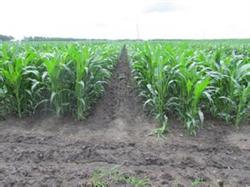
Detailed Explanation of Autumn Corn Planting Techniques and Management Key Points
Autumn corn is suitable for no-till direct sowing after mid-July. After harvesting the previous corn crop, promptly clean the field, and early sowing at the earliest opportunity is key; generally deep plowing is not required. 1. Sun-dry the seeds for 2-3 days, and soak them for 4-6 hours before sowing to promote uniform and neat emergence. Arrange plant spacing at a density of 3500-4000 plants per 667 sq m...
条件筛选