-
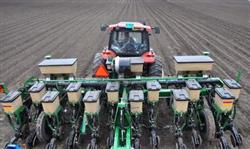
Detailed Explanation of Key Technical Points for Relay-Intercropping Corn Sowing
Improving sowing quality: To ensure full stands and strong seedlings of corn, generally apply 5 kg of diammonium phosphate and 1 kg of zinc sulfate per mu as seed fertilizer. Before sowing, spread out heaps of wheat straw evenly so as not to affect sowing and seedling emergence. When sowing, pay attention to the operating speed of the seeder to prevent missed sowing or sowing seeds on wheat stubble. Try to achieve "rows...
-
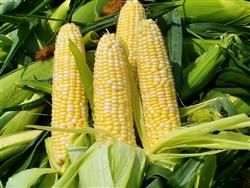
Detailed Explanation of Key Cultivation Techniques for Specialty Corn
Specialty corn includes fodder corn, waxy corn, sweet corn and popcorn. The botanical characteristics and biological traits of specialty corn differ from those of common corn, and therefore its cultivation techniques also have special requirements. 1. Fodder corn. Fodder corn refers to corn varieties used for green fodder or silage. At present, ...
-
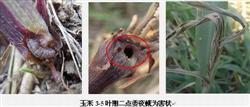
Technical key points for controlling the two-spotted field noctuid moth (Athetis lepigone) during the seedling stage of summer corn
The two-spotted field noctuid moth is a newly emerged pest in summer corn production areas in China. Returning wheat straw to the field provides an excellent environment for the two-spotted field noctuid moth to choose hidden, moist places for laying eggs and hatching. Once the larval peak period coincides with the corn seedling stage and suitable rainfall occurs, it may cause serious damage. The two-spotted field noctuid moth's...
-
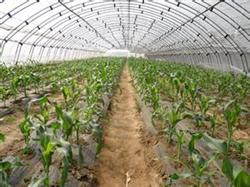
Detailed Explanation of High-Efficiency Cultivation Techniques for Fresh-Eating Corn in Greenhouses
In winter-warm greenhouses, during the late stage of spring production, the vegetable plants inside the greenhouse age, yield and quality decline, market prices are low, and planting benefits decrease. At this time, transplanting fresh-eating corn in the winter-warm greenhouse can rationally utilize greenhouse resources and achieve relatively high economic benefits. 1. Select excellent varieties: according to local conditions, select high-quality fresh...
-
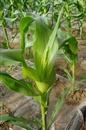
What causes poor corn seedling emergence?
①Low temperature or excessive rain: Experiments show that low-temperature soil reduces the germination rate or germination vigor of seeds; too much rain hinders the normal respiration of seeds and makes them prone to mold infection, causing seed rot. ②Rough land preparation or improper fertilizer application: Many clods, uneven land, uneven soil moisture, or inconsistent sowing depth...
-
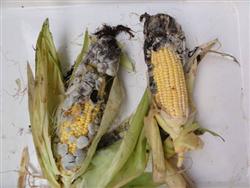
Detailed Explanation of Key Techniques for Corn Smut Prevention and Control
Corn smut, called "grey packet" by farmers. It can occur at all growth stages of corn, damaging the tassel, ear, as well as stems and leaves. Symptom identification: symptoms gradually become obvious around tasseling. Tumors of varying sizes grow on the affected parts; the tumors are initially white or reddish-purple, later turning grey, and after rupturing they release black powder. Affected...
-
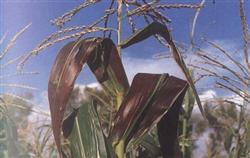
How can corn red leaf disease be controlled effectively?
Symptoms: When improved varieties bred with Huangzaosi encounter low temperatures and rainy, overcast weather during the grain-filling stage, their leaves turn red, which is called red leaf disease. Cause: The occurrence of this disease is related to the fast grain-filling of this variety. When large amounts of synthesized sugars cannot be quickly converted due to metabolic disorders, they become anthocyanins, and the green leaves turn red. Control methods: (1) In areas where it occurs severely, do not...
-
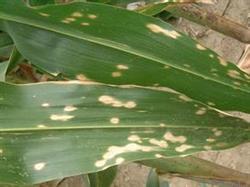
How to prevent and control corn gray leaf spot? A full analysis of the technical key points
Corn gray leaf spot can occur throughout the entire growth period, but the disease is most severe at the tasseling and grain-filling stages. In the early stage of the disease, water-soaked light brown spots appear. These streaks extend parallel to the leaf veins, are often rectangular, and are more obvious when held up to the light. The center of the lesion is gray, and the edge has a brown line. The lesion size is 2-4 x 10-24 (mm), and...
-
Detailed Guide to Identifying Nutrient Deficiency Symptoms in Corn
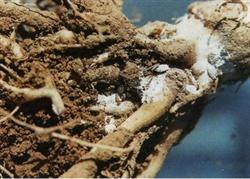
In recent years, the occurrence range of the corn root mealybug has continued to expand, and the severity of outbreaks has increased year by year, posing a serious threat to corn production and making it a major pest constraining corn yields. The corn root mealybug belongs to the order Homoptera, family Pseudococcidae. In Hebei, this insect produces 3 generations per year, with the second generation (mid-June to early-to-mid August) causing damage...
-
How to cultivate corn? A detailed explanation of the key points of planting techniques
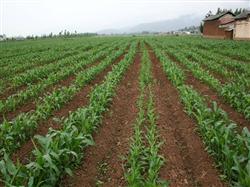
I. Land selection 1. For irrigated corn, choose plots with flat terrain, good structure, good air permeability, and relatively high soil fertility. 2. For film-mulched corn, you may choose dry flat land with medium or higher fertility, land at the foot of hills, level terraced fields, shaded land, mildly saline-alkaline low wetland, high-cold open meadow, and single-water land. Never choose steep slopes...
条件筛选