-

The characteristics of the Huangshan pine are endlessly varied in form; compared with the Japanese black pine, which is better?
The Huangshan pine mainly grows on Mount Huangshan, so it is called the Huangshan pine. What characteristics does the Huangshan pine have? Its most distinctive characteristic is where it grows, generally on mountain tops and beside steep cliffs. The giant pines reach several zhang in height, while the small pines are less than a chi, breaking through rock to grow, with a beauty of form that
-
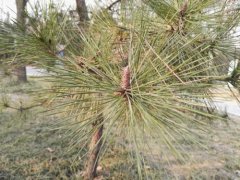
Red Pine vs Black Pine: Which Is Better? A Detailed Guide to Red Pine's Characteristics and Benefits
The red pine (Pinus densiflora) is an evergreen conifer of the genus Pinus in the family Pinaceae. Native to Japan, the red pine lives up to its name: its bark is reddish-brown, its sapwood is white-brown, and its heartwood is light white-brown, with the boundary between the two not easily distinguished clearly. Compared with the black pine (Pinus thunbergii), also known as the male pine, the red pine is also called the female pine.
-
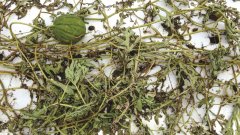
The middle section of the flower stem turns black and withers - it is black rot, what medicine can cure it
People who grow cucurbit plants all know that this kind of plant is prone to a disease, that is, the middle section of the flower stem turns black and withers along with fruit rot, and this disease is called gummy stem blight, also known as black rot. Geographic range: worldwide, but most common in temperate and tropical regions with higher rainfall and in greenhouses.
-
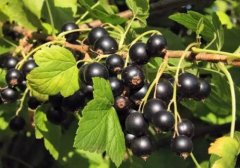
What Plant Is Blackcurrant? A Detailed Guide to the Uses and Benefits of Blackcurrant Leaves
Blackcurrant (Ribes nigrum), sometimes also called black currant, is a woody shrub native to Europe and Asia. Although this currant plant is grown for its small black berries, its leaves are also valuable, and they are said to have great value as a medicinal herb.
-
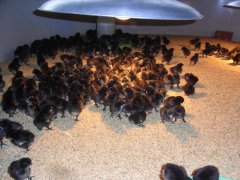
New black velvet silkie breed is dual-purpose for eggs and meat, technology transfer could be available as early as the end of the year
Because native silkie chickens do not lay many eggs, they have long been used mainly as meat chickens. To improve the egg-laying performance of silkie chickens, the Livestock Research Institute obtained eggs of the "black silkie" from China and, after about 20 years of selective breeding, successfully developed a new silkie
-
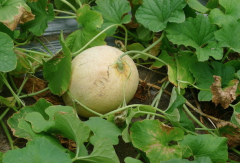
Hami melon varieties include Black Eyebrow, Red Heart Crisp, Yellow Egg, Snow-in-Red, and Jiashi Hami melon
Do you like Hami melon? Then do you know which varieties of common Hami melon there are? Would you like to learn about them? Then let's take a look together! Xizhou Mi: light mottled green, with green stripes, fine and dense netting covering the whole fruit, orange-red flesh, fine texture, crisp and tender, good flavor, sugar content
-
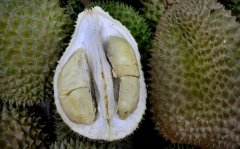
What kind of durian is Black Pearl durian, and how does its taste differ?
It smells like hell but tastes like heaven, the king of fruits, the smelliest fruit in the world - these are just some of the expressions people use to describe Black Pearl durian or any durian. The controversial fruit Black Pearl durian is just one of the many types of durian. Durian
-
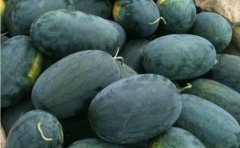
When to plant Black Beauty watermelon? Introduction to its sweetness and growing techniques
The Black Beauty variety of watermelon is the most common watermelon in our daily lives, and you can see it every year. So what are the characteristics and techniques of growing this variety? Black Beauty variety product introduction ● Fruit is long oval-shaped, rind is dark green, stripes are not
-
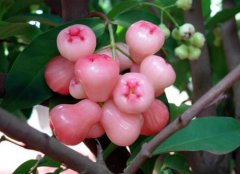
What are the varieties of wax apple? Black Pearl, Black King Kong, Black Diamond sweetness comparison
Wax apple! I always feel that among the names of fruits, it sounds simply beautiful! It is a tropical fruit, a broad-leaved tree, growing tall; the fruit is crystal-clear, with almost no skin! On the palate it is light, crisp, delicately fragrant, and carries a flavor unique only to wax apple! In Los Angeles
-
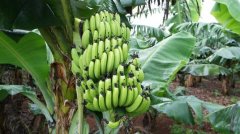
Symptoms and control of three common banana diseases: small black spot disease, fine streak disease and bunchy top-like stunting disease
An introduction to the symptoms and control methods of common banana diseases: small black spot disease, fine streak disease and stunting disease. Let's take a look! Small black spot disease Pathogen: the optimum temperature for mycelial growth is 25°C, the optimum temperature range for spore formation is 13-29°C, and the optimum temperature range for spore germination is 13-33°C.
条件筛选