The middle section of the flower stem turns black and withers - it is black rot, what medicine can cure it
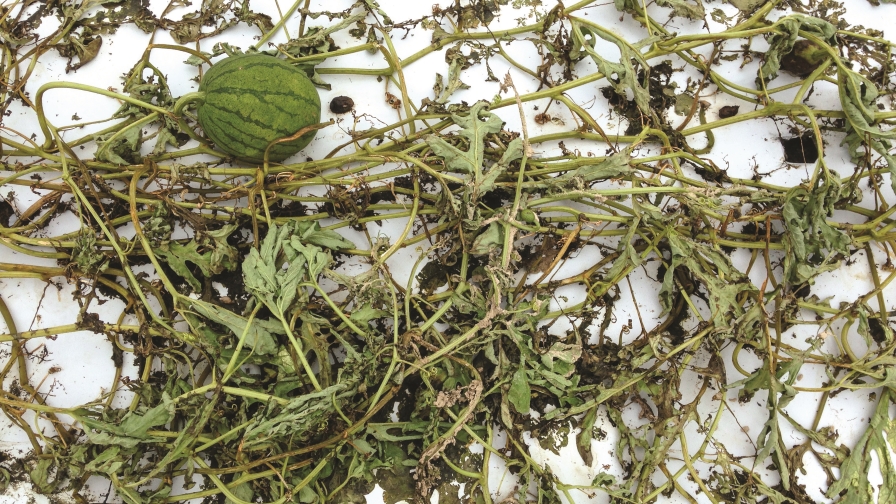
People who grow cucurbit plants all know that this kind of plant is prone to a disease, that is, the middle section of the flower stem turns black and withers along with fruit rot, and this disease is called gummy stem blight, also known as black rot.
Geographic range: worldwide, but most common in temperate and tropical regions with higher rainfall and in greenhouses. In the United States, gummy stem blight is most common in the Southeast.
Affected crops: all cucurbits, but cantaloupe, watermelon and cucumber are more susceptible to gummy stem blight than pumpkin. Pumpkin, cucumber and cantaloupe are the cucurbit fruits most susceptible to black rot.
What you need to know: growers should also note that the gummy stem blight fungus produces two types of spores: moist conidia spread short distances in wet weather, and dry ascospores are spread by wind.
Recommended treatment:
Conventional fungicides are the most effective treatment option. Growers should be aware that the most common gummy stem blight fungus, S. citrulli, is resistant to fungicides with FRAC codes 1, 7 and 11. In Georgia, S. caricae has reduced sensitivity to fungicides with FRAC Code 3. Based on fungicide resistance reported in each state, growers should be careful not to use the wrong fungicide.
Organic growers can use Oso (Certis USA). Its active ingredient, zinc polyoxin sulfate, can act as an antibiotic. Gummy stem blight needs moisture on the leaves to develop. In dry seasons, fungicide sprays can be applied every two weeks instead of every week, as in normal or wet seasons. However, you should continue spraying for powdery mildew, which is more active during dry periods.
Growers managing gummy stem blight may not start using fungicide sprays early enough. To work, the fungicide must be applied before the leaves are infected, so the first fungicide application should be made when male flowers appear. Fungicide applications for diseased leaves made later in the season may help limit the size of leaf spots, but cannot eliminate the spots or stop them from expanding.