Red Pine vs Black Pine: Which Is Better? A Detailed Guide to Red Pine's Characteristics and Benefits
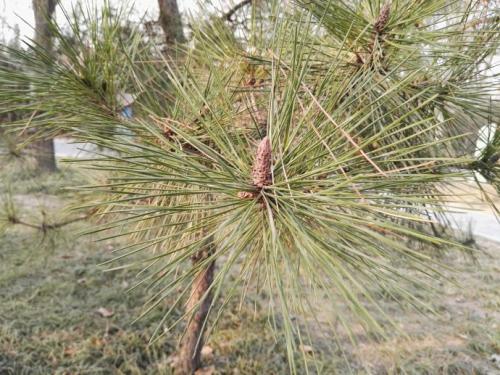
The red pine (Pinus densiflora) is an evergreen conifer of the genus Pinus in the family Pinaceae. Native to Japan, the red pine lives up to its name: its bark is reddish-brown, its sapwood is white-brown, and its heartwood is light white-brown, with the boundary between the two not easily distinguished clearly. Compared with the black pine (Pinus thunbergii), also known as the male pine, the red pine is also called the female pine.
Like pines in general, the red pine can grow in poor, barren soil and is found almost throughout Japan; it is the most widely distributed conifer in Japan, as well as a lower-priced and easily obtained timber species. The red pine contains a relatively high amount of resin, so when used as firewood it can produce a large fire, but if used as a building material it should be avoided in places prone to catching fire.
What benefits and effects does the red pine have? Because the red pine does not rot easily, it is usually used as building beams, floor posts, or civil engineering materials. It also has medicinal functions: it can be antibacterial, aid digestion, and relieve asthma.
Is the red pine better or the black pine better? That depends on what you are using it for: if it is for shaped bonsai, then theblack pine is better; if it is for timber, then thered pine is better.