-

How to Make and Care for a Black Pine Bonsai? A Detailed Guide to the Latest Methods
The black pine (Pinus thunbergii) is an evergreen tree of the genus Pinus in the family Pinaceae. It is native to Japan and the southern coastal regions of Korea, and thrives in warm, humid maritime climates. It grows best in deep, loose, sandy soil rich in humus. It is not only an excellent plant for bonsai, but also in
-
How to grow a black pine bonsai? A detailed guide to the latest care methods
Watering Before planting, choose soil with good air permeability and drainage, which is good for watering. When the top layer of the potting soil has dried out completely, water thoroughly immediately; in spring and summer, reduce watering appropriately, as this can suppress excessive growth. It does not like soil that is too moist
-
A Detailed Guide to the Latest Methods for Making Black Pine Bonsai
Time to make it: The best time to make it is between winter and spring. During this period, the black pine is in a dormant state, which is very favorable for making bonsai, and the success rate is also relatively high, while the possibility of death and damage is also the lowest. If you want to shape it, then you can
-
How to grow Japanese black pine? Detailed care methods and precautions
Japanese black pine, also called white-bud pine, is evergreen year-round and has strong disease resistance. It can be used for landscaping and also grown as a potted ornamental. So how should you grow Japanese black pine? 1. Japanese black pine is a cold-tolerant and drought-tolerant plant and can be cared for year-round in a courtyard or on a balcony. Plenty of sunlight and
-
What are the propagation methods for black pine? Learn how to grow seedlings in one article
Black pine is an evergreen tree with grayish-black bark, dark green needles, and a crown that is broadly conical or umbrella-shaped. It can be planted in roads and courtyards for landscaping, and can also be grown as a small potted plant for ornamental viewing. What are the propagation methods for black pine? 1. Propagation methods for black pine
-
-
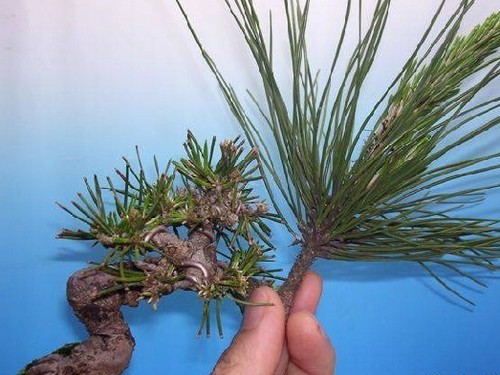
Black Pine Bonsai Styling Techniques
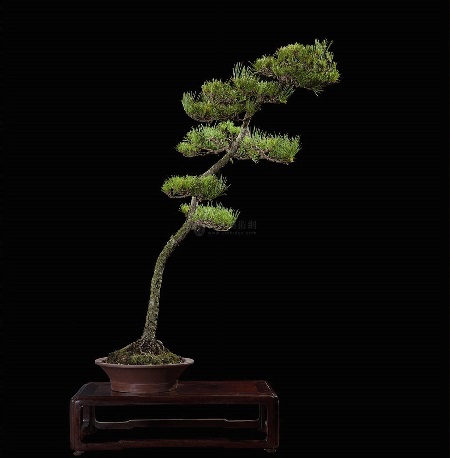
Black pine (Pinus thunbergii) is an excellent material for making pine bonsai, often planted together with plum blossom and green bamboo to form the "Three Friends of Winter" bonsai; if accompanied by rocks, it becomes a pine-and-stone bonsai. A black pine stump specimen cultivated over many years, with its old trunk gnarled and twisted, and its roots intertwined, displays the wondrous posture of a dragon and the soaring of a phoenix, and an indomitable vitality, making it a fine specimen for home cultivation and appreciation.
-
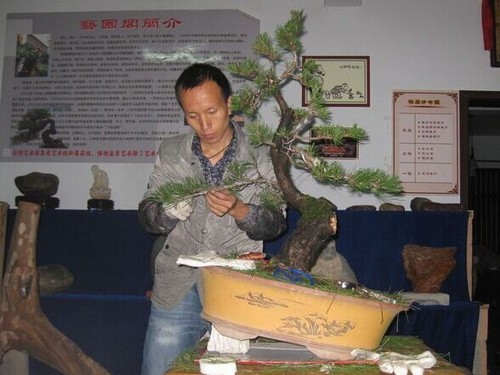
A Detailed Guide to the Pruning and Styling Methods for Black Pine Bonsai
The pruning and styling of black pine bonsai is mainly achieved through pruning and wiring; methods such as grafting and forcing buds on young shoots can only serve as auxiliary techniques. The black pine to be styled must have already been cultivated for 1-2 years: the best time for styling is from December to February of the following year.
-
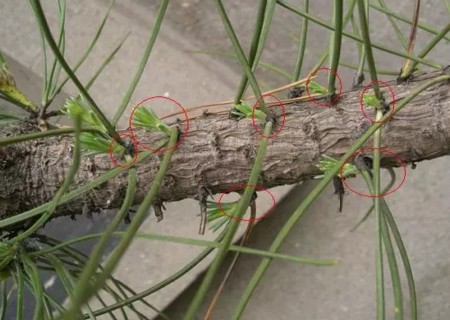
Black Pine Bonsai Bud-Forcing Techniques
Black pine has been a bonsai tree species much favored by bonsai enthusiasts in recent years, but how to make collected wild yamadori stumps sprout quickly is a problem many people hope to solve. Below, the editor will explain the bud-forcing techniques for black pine bonsai. As for the bud-forcing process of black pine bonsai
-
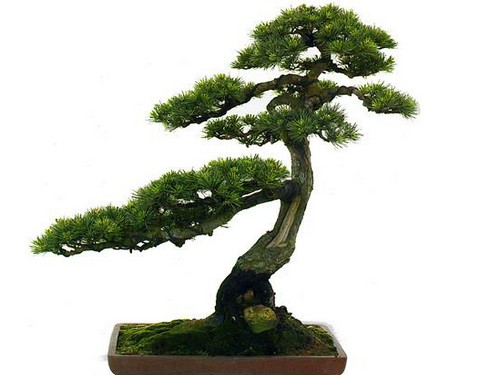
How to Make a Black Pine Bonsai
Black pine bonsai has strong adaptability to the environment and can be cultivated in courtyards or on balconies. Its branches spread horizontally, its crown is like an umbrella canopy, its needles are deep green, it stays evergreen through all four seasons, and its tree form is ancient and elegant, making it enjoyable all year round. During the growing period, it is best placed outdoors in a spot with ample sunlight and good air circulation, and it should not be kept indoors for long periods.
条件筛选