-
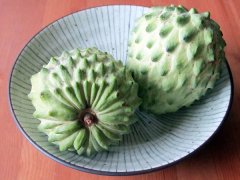
Atemoya: Benefits, Effects, How to Select, Store and Eat It
Winter to early spring (December to March) is the season for atemoya, also known as honey sugar apple. Atemoya is rich in protein, potassium, calcium, magnesium and vitamin C, and is good for beauty and skin care. It is known as one of the "world's three great fruits." Its sweet flavor makes it a real favorite! Come and see~ sweet and
-
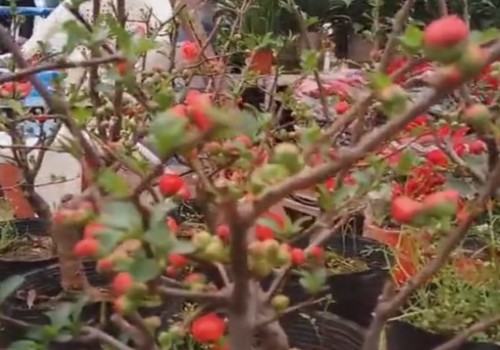
Autumn Care Tips for Crabapple Bonsai: Master These Key Points
Autumn has now arrived. When the weather turns cold, we should promptly move the crabapple indoors for care, and the minimum temperature should be kept above 7C, because crabapple has poor cold tolerance and is easily frostbitten in winter. Apart from this, what else do we need to do in autumn for the care and management of crabapple bonsai?
-
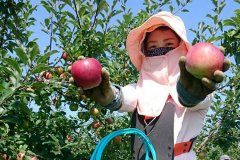
Aomori Apple Cultivation Methods in Japan: A Detailed Guide to Fertilizing and Pollination Timing
The year-round manual cultivation process is complicated, but it is the most important part of producing delicious Aomori apples. It is said that an average apple orchard of 10 mu (1,000 sq m) requires about 223 hours of work, making it a production technique that relies heavily on experience. Late January
-
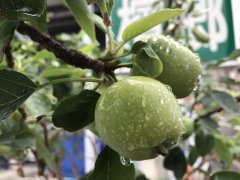
How to Grow Tropical Green Apple and Dwarf Apple and When to Thin the Fruit
The tropical apple varieties currently suitable for growing on the plains of Taiwan, China include Tropical Green Apple, Tropical Yellow Apple, Wuzhua Apple, and Dwarf Apple. Of these, Blue Mountain has personally grown and confirmed that Tropical Green Apple fruits well in the north; the other two still need more trial planting before we can know.
-
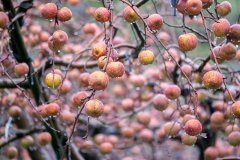
Apple high-mountain cultivation techniques: what is the deal with waxing and honey?
High-mountain agriculture has long borne the stigma of devouring the flesh and blood of mountain forests. Whether there is a way, under the existing environment and agricultural economy, to find a balance and change the model of coexisting with the mountain forest is what he and the apple orchard owner are exploring. This is very different from growing apples in pots
-
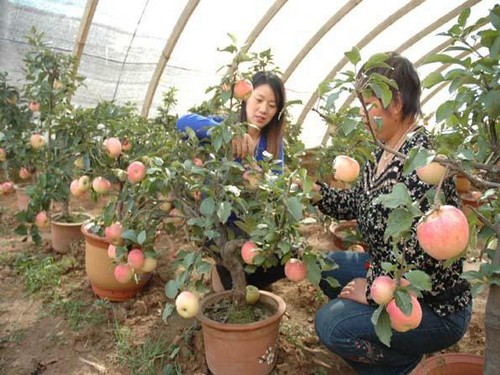
How to Make an Apple Bonsai and Detailed Steps
Apples are delicious and tasty, and are one of the fruits commonly eaten in daily life. Their skin is smooth and their colors are bright. Besides being eaten, they can also be used to make bonsai. For making bonsai, choose apple varieties with small plants, early fruiting, strong self-pollination and fruit-setting ability, medium fruit size, and bright colors.
-
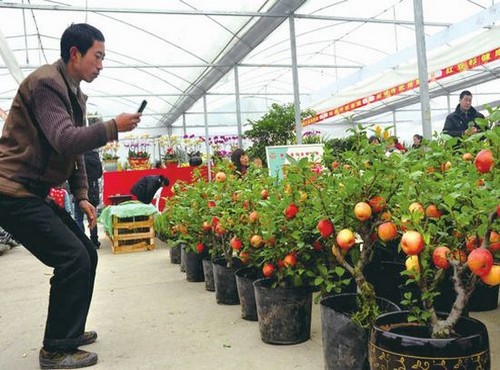
How to Grow Apple Bonsai? Detailed Explanation of Key Planting Techniques
Apple trees can be shaped into various bonsai forms according to the shape of the trunk, such as straight-trunk style, curved-trunk style, double-trunk style, slanting-trunk style, lying-trunk style, and exposed-root style. For young trees, the trunk can be wired and shaped to make it winding and graceful, combining rigidity and softness. For trunks lacking an aged appearance
-
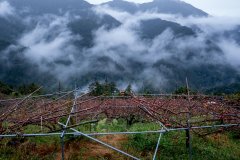
Key Seasonal Tasks and Hand-Pollination Methods for Apple Growing
What are the four seasons of work like for apple farmers, and is it the same as potted apple growing techniques? Let's take a look together! Before the apple trees bloom at the end of March, the growers begin "spraying", though "spraying" actually means applying fungicides, insecticides, and other agricultural chemicals to the trees.
-
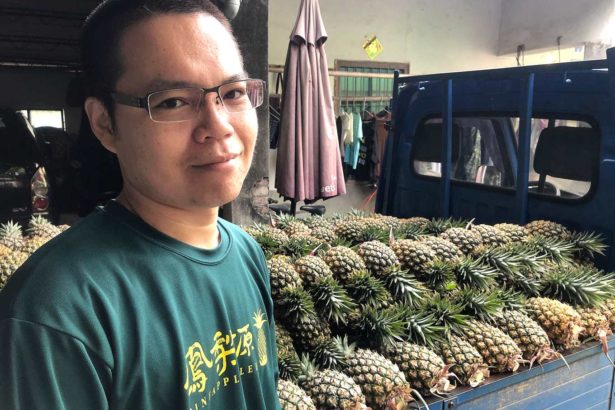
The pineapple lollipop is very sweet, but A-Yuan's wish tastes sour
A-Yuan's pineapple lollipop is very sweet, but his wish tastes sour
-
Pineapple Sugar Apple Cultivation Management Techniques and Harvesting Methods
Few people have heard the name of the fruit pineapple sugar apple, and even fewer have tasted its flesh. It differs from the sugar apple grown in Taitung in both fruit shape and taste. The pineapple sugar apple is sour, sweet, and chewy, with a very unique texture, especially noticeable during droughts in the plum rain season.
条件筛选