-
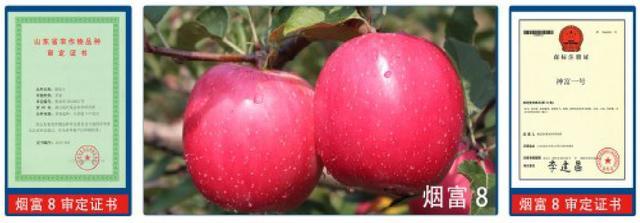
Cultivation and Management Techniques for the Inverted Tower-Pine Shape of Yanfu 8 (Shenfu No.1) Apple
Cultivation and Management Techniques for the Inverted Tower-Pine Shape of Yanfu 8 (Shenfu No.1) Yanfu 8 (Shenfu No.1) is an excellent late-maturing apple variety with particularly good coloration, selected from bud sport varieties of the Fuji series. It passed appraisal in October 2012, and in November 2013...
-
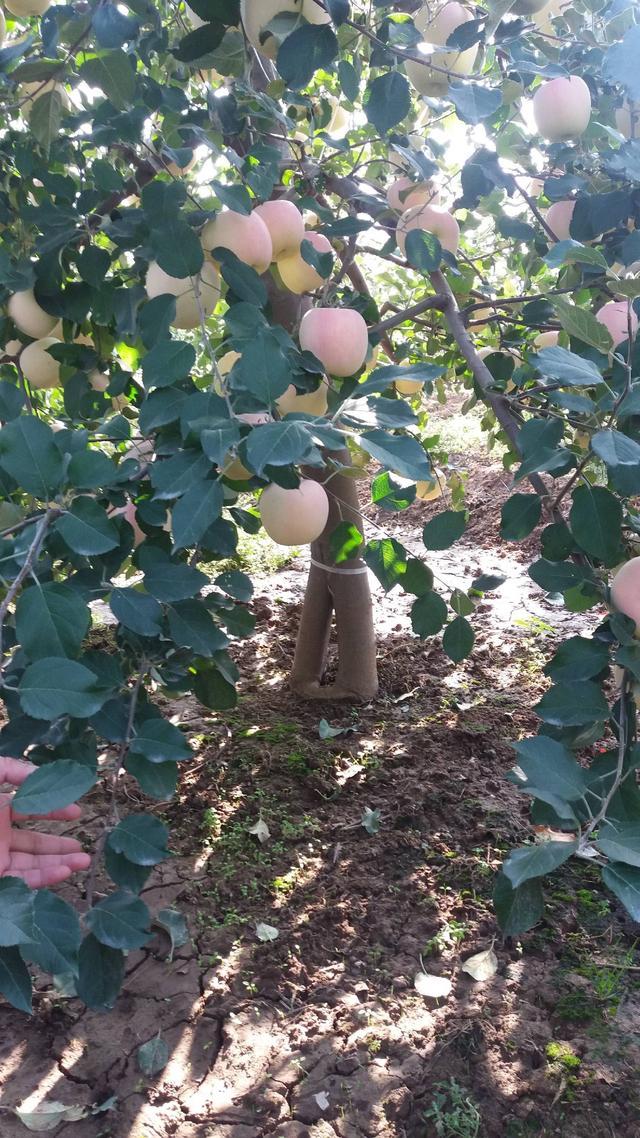
Renovation practices for old apple trees: methods for stable yields
Renovation practices for stable yields in old apple trees With the sustained and rapid development of the apple industry, there are more and more old orchards. Some orchards have trees around 30 years old, with multiple diseases and pests occurring, aged varieties, missing branches and limbs, weakened tree vigor, and reduced bearing capacity...
-
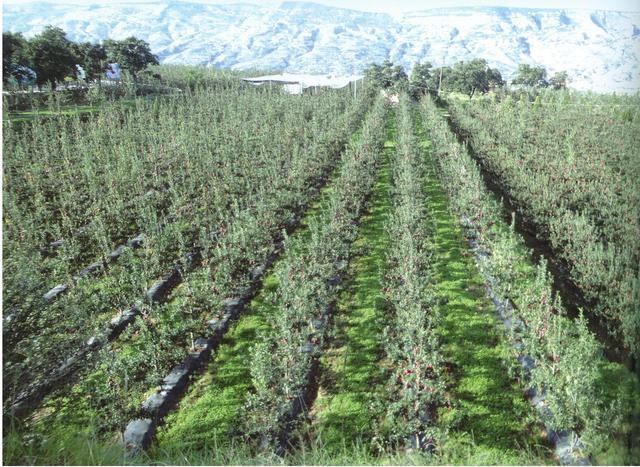
Detailed Explanation of the Training and Pruning Methods for the Slender Spindle Shape of Apple Trees
How do you train and prune apple trees into the slender spindle shape? The slender spindle belongs to the small canopy form and is one of the tree shapes with the fewest scaffold branches and the most fruiting branches, suitable for relatively dense planting, dwarfing rootstocks and spur-type cultivars. Generally the row spacing is 2.5-4.0 m, and the plant spacing is 2.0...
-
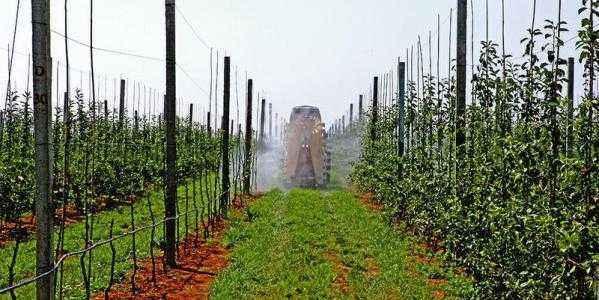
Tree structure and training method of the two-branch one-trunk form for dwarf dense planting of apple
Tree structure and training method of the two-branch one-trunk form for dwarf dense planting of apple 1 Structure of the two-branch one-trunk form in dwarf apple cultivation The trunk height is 80-120 cm from the ground, and two main branches extending toward the row spacing are trained, with a horizontal angle of 180° between the two main branches, and the main branches and...
-
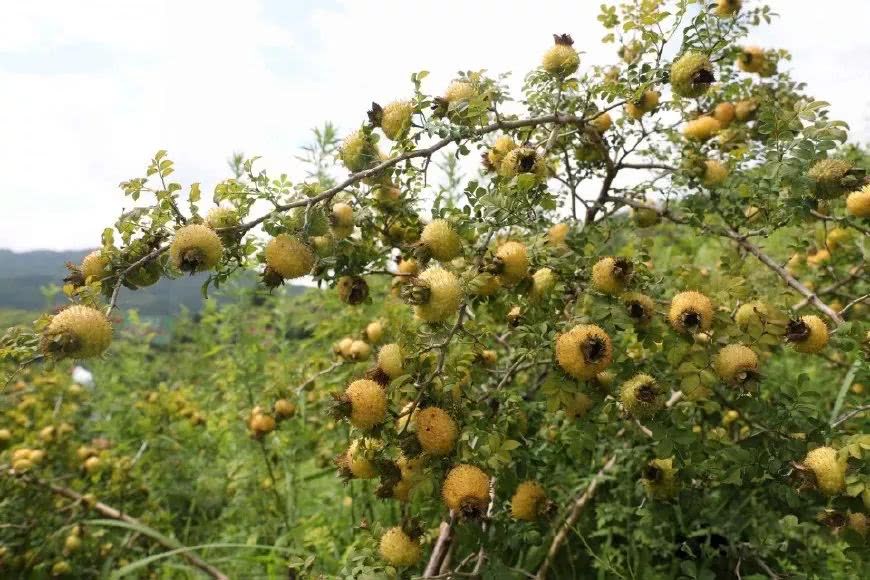
The king of vitamin C, Rosa roxburghii is covered in spines and hard to bite into; eating one is equivalent to 600 apples
Friendly reminder: Hemu Report aims to share and popularize information about various plants and their uses, for reference only. If medicinal use is needed, it is recommended to consult a professional doctor to avoid problems! When it comes to fruits with high vitamin C content, many people immediately think of kiwi...
-
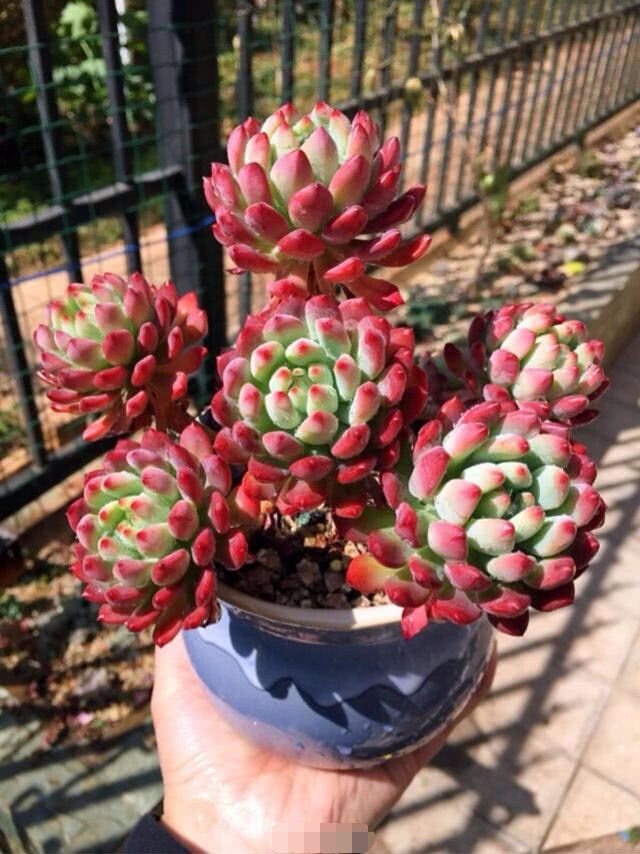
Variety Introduction to the Blue Apple Succulent
Blue Apple is a succulent in the Crassulaceae family, a cross-genus hybrid between Sedum and Echeveria. Blue Apple morphological characteristics: Blue Apple succulents often grow in a rosette form, readily producing new shoots from the lower part of the stem to form clumping growth, gradually...
-

Bananas and pineapples are in abundant supply and prices are in disarray; Chen Chi-chung: striving to stabilize them, building a complete cold chain and farmer insurance in the long term to stabilize production
Bananas and pineapples are in abundant supply and prices are in disarray; Chen Chi-chung: striving to stabilize them, building a complete cold chain and farmer insurance in the long term to stabilize production
-
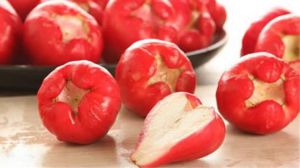
How do you eat wax apple? An introduction to the correct way to eat it
Eat it directly: Rinse the wax apple under clean water, cut off the fruit navel at the bottom, and eat it directly. Make juice: Wash it clean, blend it into juice, filter out the pulp, add some honey, stir thoroughly, and it is ready to drink. Honey nut wax apple: Use a tool to crush the nuts and the petal-like parts of the wax apple, add an appropriate amount of honey, place it on the wax apple, and it is ready to eat.
-
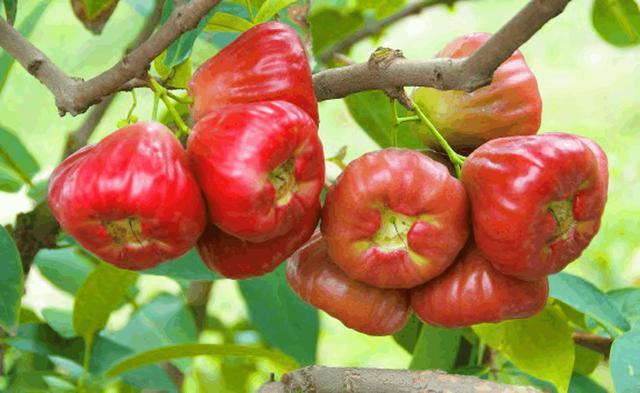
Cultivation Techniques for Flower Induction and Fruit Retention in the Classic Black King Kong Wax Apple
Cultivation Techniques for Flower Induction and Fruit Retention in the Classic "Black King Kong" Wax Apple. Wax apple is an evergreen tropical arbor fruit tree of the genus Syzygium in the family Myrtaceae. It has strong adaptability, can adapt to various soil types, grows fast, and is highly productive and stable in yield. At present in China's Hainan,...
-
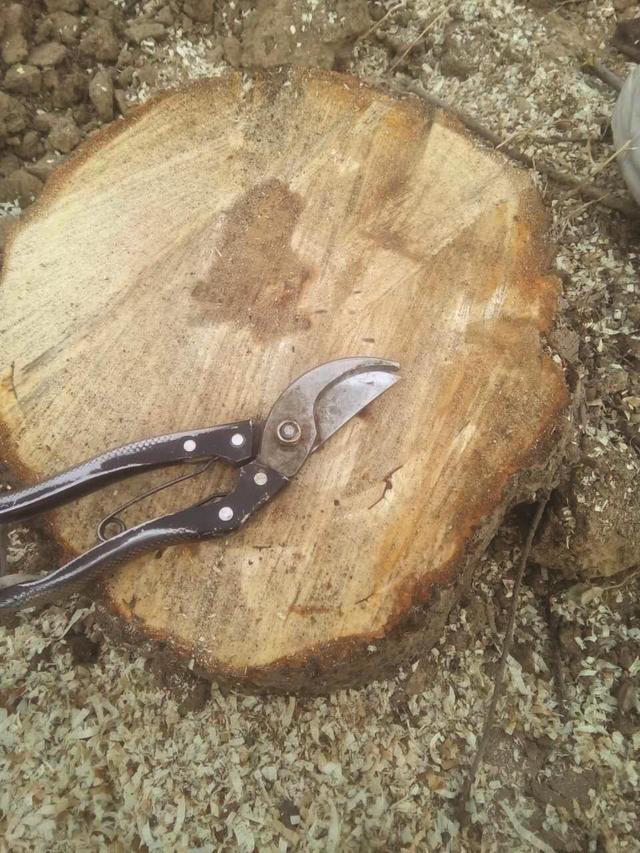
Key Technical Points for Stable Production and Renewal of Old Apple Orchards
Techniques for Stable Production and Renewal of Old Apple Orchards 1 Benefits of Using New Techniques for Renovating Old Apple Orchards 1.1 Shortens the time needed to re-establish an orchard Generally, building an orchard with nursery stock takes at least 4-5 years to reach fruiting, while with the new renovation technique, orchards generally begin fruiting in 3 years...
条件筛选