-
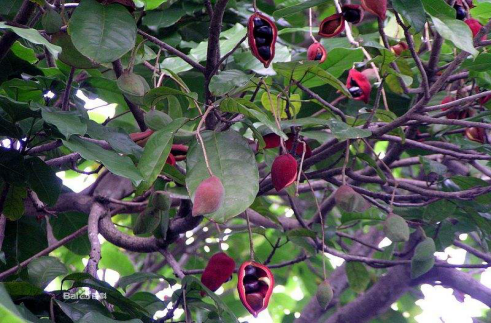
Detailed Explanation of Propagation Methods and Techniques for the Chinese Chestnut (Sterculia monosperma)
Seed propagation: This is one of the simplest propagation methods, but it requires a certain amount of time to mature. First, wait for the Chinese chestnut (Sterculia monosperma) to mature, then remove it; take care with seed storage, and before sowing, do not expose the seeds to the sun, keep them moist, prepare the soil first, then harvest, and finally scatter the seeds into the soil.
-
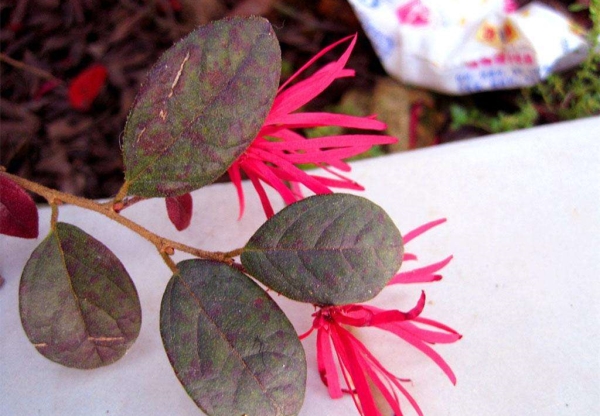
A Detailed Guide to Controlling Diseases of the Chinese Fringe Flower (Loropetalum chinense var. rubrum)
For anthracnose, if diseased leaves are found on the Chinese fringe flower, we should deal with them immediately, destroy the diseased leaves to prevent infection, improve drainage conditions, create a good ventilation environment, and carry out chemical treatment. For damping-off, we should replace the soil of the Chinese fringe flower and replant it in new soil.
-
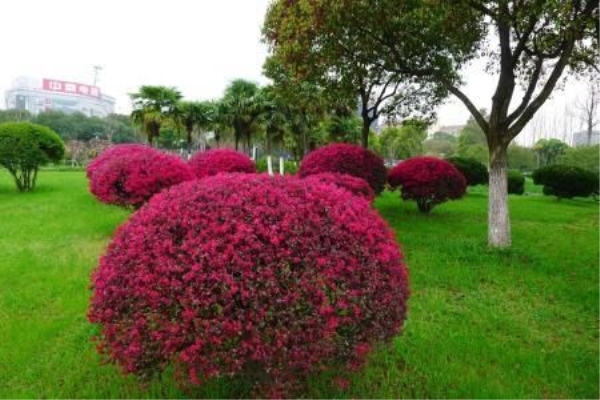
What are the precautions for growing Chinese fringeflower (Loropetalum chinense var. rubrum)?
When growing Chinese fringeflower, it needs to be repotted regularly. When repotting, the soil can be changed to provide the plant with sufficient nutrients. Note that when potting up, water thoroughly. Moreover, Chinese fringeflower has strong sprouting ability and grows quickly, so it needs to be pruned to control the plant shape and maintain its high ornamental value.
-
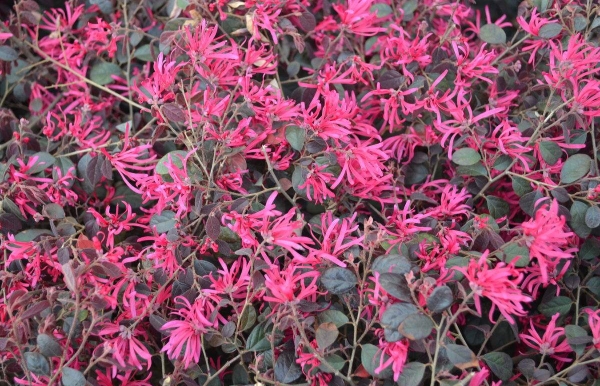
What are the propagation methods for Chinese fringetree (Loropetalum chinense var. rubrum)?
Chinese fringetree is mostly propagated by cuttings. Choose field soil that is well-drained, sunny and fertile, take stout, plump branches with clearly protruding buds from a healthy mother plant, and use them for cuttings. After inserting the cuttings, water the soil thoroughly, then cover with plastic film to seal it.
-

How to Grow and Care for Chinese Pulsatilla: Methods and Precautions
Soil Chinese pulsatilla is suited to growing in deep soil with good drainage. Sandy soil or clay soil both work, with plenty of base fertilizer added. Light and temperature Chinese pulsatilla loves sunlight very much, but strong direct light should not be allowed to hit it. It is suited to growing in a cool, dry environment, and its cold tolerance is very good.
-
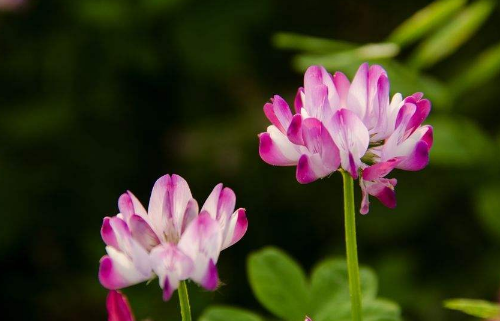
Cultivation methods and precautions for Chinese milk vetch
1. Soil The minimum requirement for soil used to plant Chinese milk vetch is that it be healthy, loose and well-draining, and the soil must not contain pathogens or insect eggs. A pH between 5.5 and 7.5 is most suitable, and of course fertile soil will be even more favorable for the growth of Chinese milk vetch. 2. Light Chinese milk vetch prefers ample light
-
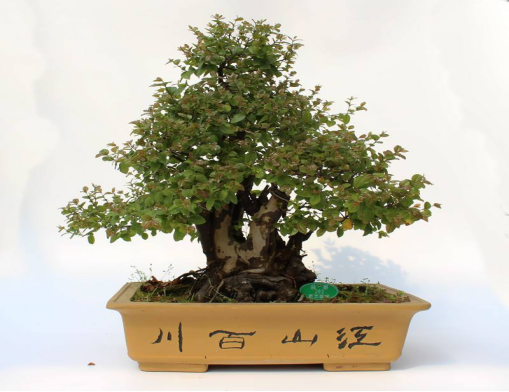
What causes the leaves of Sageretia thea (Chinese sweet plum) to turn yellow
First, if it is placed outdoors, it may be caused by the potting soil being too dry or too wet, especially water accumulating after rain and poor drainage. Second, it may be caused by being kept for a long time indoors in a stuffy, unventilated, shaded spot, or by suddenly being moved outdoors and exposed to the blazing sun. After the Sageretia thea drops its leaves, as long as the branches and trunk do not wither and some remaining leaves are still attached
-
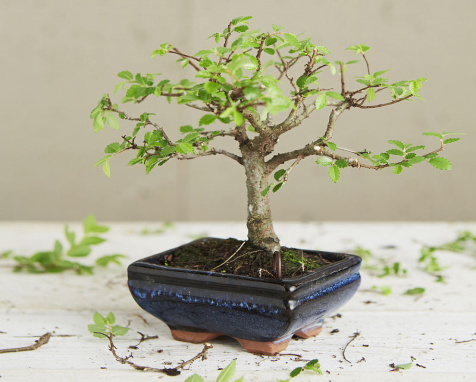
How do you care for a Chinese elm bonsai? Keep these care tips in mind
1. The Chinese elm tolerates slight shade but very much loves light, so water it more in summer and autumn, and avoid harsh sun exposure. 2. The Chinese elm can be pruned year-round, but remember that to prevent excessive sap flow and dead branches, you must not prune the Chinese elm on rainy days. 3. The Chinese elm likes humus mixed soil (pH 5.5-6).
-
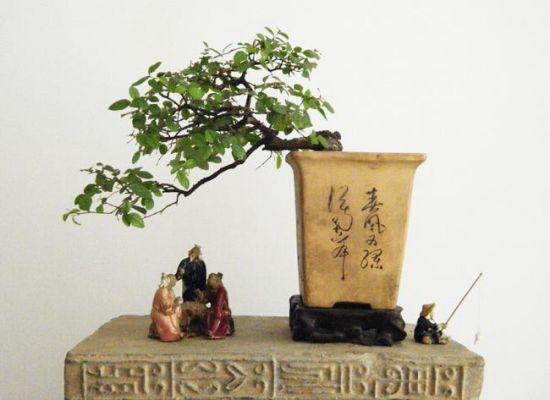
How to grow Sageretia thea (Chinese sweet plum)? Master these five key care tips
Water: There is a bit of finesse to the water used for Sageretia thea care. Natural water such as river water, pond water and rainwater is best. If using tap water, it should be stored for one or two days so the chlorine can evaporate. Water left over from washing clothes, and water containing grease or salt, must never be used. Fertilizing: Sageretia thea should be fertilized in moderation; too much fertilizer makes the branches and leaves grow excessively.
-
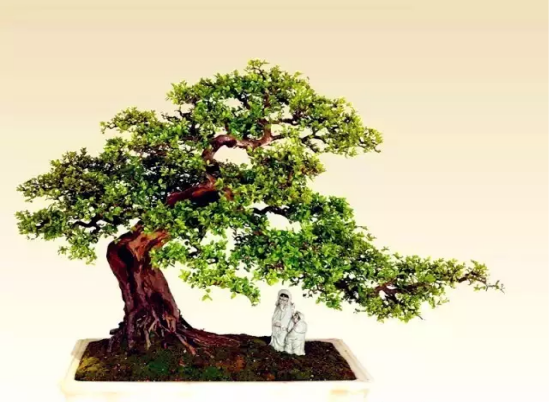
How to care for Chinese sweet plum (Sageretia thea) in winter? Master the care essentials for a safe winter
Watering: Pay special attention to how you water a Sageretia bonsai in winter. The Sageretia bonsai enters dormancy in winter and basically needs no water, so watering lightly or not at all is best. Temperature control: The Sageretia bonsai is naturally not cold-hardy, so keeping it warm is essential. In winter it should be moved indoors for care
条件筛选