-
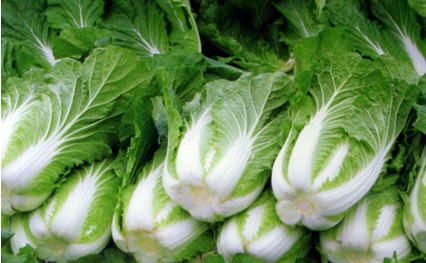
Key Techniques for High-Yield Cultivation of Early-Maturing Autumn Chinese Cabbage
High-Yield Cultivation Techniques for Early-Maturing Autumn Chinese Cabbage
-
Guidelines for Pesticide Use in Promoting Ecological Balance in the Cultivation of Chinese Medicinal Herbs
Guidelines for Pesticide Use in Promoting Ecological Balance in the Cultivation of Chinese Medicinal Herbs
-

Does the Chinese yew have seeds? A detailed guide to Chinese yew seeds
Does the Chinese yew have seeds?
-
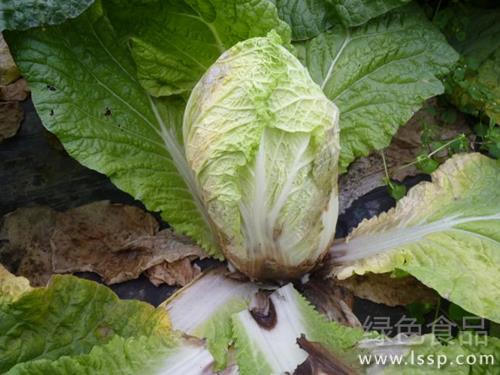
How to prevent and control soft rot in Chinese cabbage and cabbage? Roots and stems rot and topple over with a push
Prevention and control methods for soft rot in Chinese cabbage and cabbage, where roots and stems rot and plants topple over with a push
-
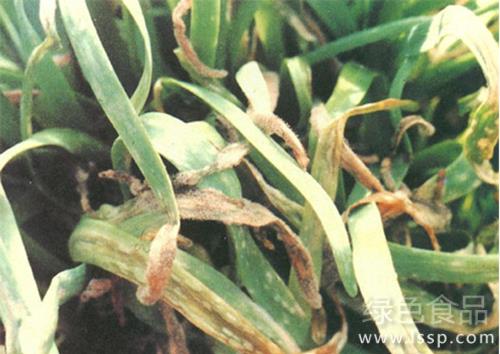
After mold appears on the leaves of Chinese chives, the whole leaf withers and scorches. How should gray mold be prevented and controlled?
Prevention and control methods for Chinese chive gray mold, where the whole leaf withers and scorches after mold appears on the leaves
-
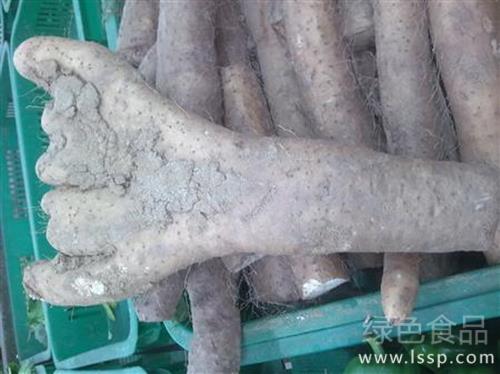
Causes of Deformed Chinese Yam Being Hard to Sell and How to Prevent Them
Oddly Shaped Chinese Yams Are Hard to Sell: Causes of Deformed Chinese Yam and Prevention
-

How to make a bonsai from the Chinese fringetree? Detailed methods and techniques
There are mainly three methods for making a bonsai from the Chinese fringetree (Chionanthus retusus): the first is the cut-grafting method, the second is the approach-grafting method, and the third is the high-grafting method. Among them, the most suitable is the approach-grafting method. Let us look at how to do it. First, use the stump of the Chinese fringetree as the rootstock, then cut the part of the rootstock to be grafted into a slant
-
Can the Chinese fringetree (Chionanthus retusus) be made into a bonsai? The answer is here
The best time to propagate the Chinese fringetree is generally from September to October each year, while cuttings are usually taken during the two months of July and August. Its bonsai-making method is also fairly simple: first select a Chinese fringetree stump as the rootstock, cut a graft notch at the grafting site; the notch needs to be oval-shaped and 3 to 5 cm
-
How to Care for a Chinese Fringetree Bonsai and Points to Note
1. The Chinese fringetree loves sun, so place it as close to sunlight as possible and give it more light. 2. Ensure a relatively moist growing environment; the Chinese fringetree likes its soil watered thoroughly, but it must not become waterlogged. 3. Fertilize reasonably; both over-fertilizing and under-fertilizing will affect its growth
-
What are the care precautions for a bonsai of the Chinese fringetree (Chionanthus retusus)?
Loves light and sun: the bonsai should be placed in a spot with plenty of sunlight or good light transmission. Plenty of water: the Chinese fringetree grows in moist environments, so keep the water supply fairly ample, but the soil must not become waterlogged, as this will affect the growth of the fringetree. Watch out for pests: during the growing season of the fringetree, scarab beetles appear.
条件筛选